For property owners, water leak detection Canada services can help investigate unexplained water use, unusual plumbing sounds, damp areas, and other signs of hidden leaks. If your water bill suddenly rises or moisture appears without an obvious source, professional leak detection can help locate the problem.
Finding a leak early may help limit water damage to drywall, flooring, ceilings, cabinetry, insulation, and other building materials. GTA Restoration provides professional water leak detection and emergency water damage services for homes, condos, rental properties, and commercial buildings throughout Toronto and the GTA.
Key Takeaways for Water Leak Detection Canada
High water bills, low water pressure, unusual plumbing sounds, and unexplained damp areas may indicate a hidden leak.
A water meter that continues moving while all fixtures remain off may indicate unexpected water use.
Professionals may use moisture meters, pressure testing, acoustic equipment, ultrasonic tools, and thermal imaging to investigate leaks.
Thermal imaging identifies temperature patterns, but it does not directly measure moisture.
Regular plumbing maintenance and strategically placed water sensors can provide earlier warning of potential leaks.
After repairing the plumbing source, property owners may still need water damage restoration and structural drying.
Water Leak Detection Canada: Top Signs of a Hidden Leak
Recognizing warning signs early can help prevent a small plumbing problem from causing widespread property damage. For example, a sudden increase in your water bill may indicate unusual water consumption. In addition, a water meter that continues moving while faucets, toilets, appliances, and other fixtures remain off may point to a hidden leak.
Unusual sounds can provide another clue. Running-water, hissing, dripping, or splashing sounds may indicate water movement when no fixtures are operating. Therefore, investigate persistent sounds instead of ignoring them.
Visible changes may also reveal a moisture problem. Look for damp patches, water stains, peeling paint, warped flooring, swollen baseboards, or unexplained moisture around walls and ceilings.
Early Action: Benefits of Water Leak Detection Canada
Early detection gives property owners more time to control the problem before water reaches additional building materials. A slow leak behind a wall, beneath flooring, or above a ceiling can continue for days or longer without producing obvious surface damage.
As a result, the visible stain may show only a small part of the affected area. Locating the source quickly can help reduce additional repairs and shorten the restoration process.
Smart water sensors can provide another layer of protection. For example, many devices send alerts to a smartphone when they detect moisture or unusual water activity. However, product features vary, so choose a system that suits your plumbing layout and property type.
High Water Bills & Water Leak Detection Canada
A sudden increase in your water bill without a change in normal use may point to a hidden plumbing problem. Therefore, compare recent bills and look for unexplained increases in consumption.
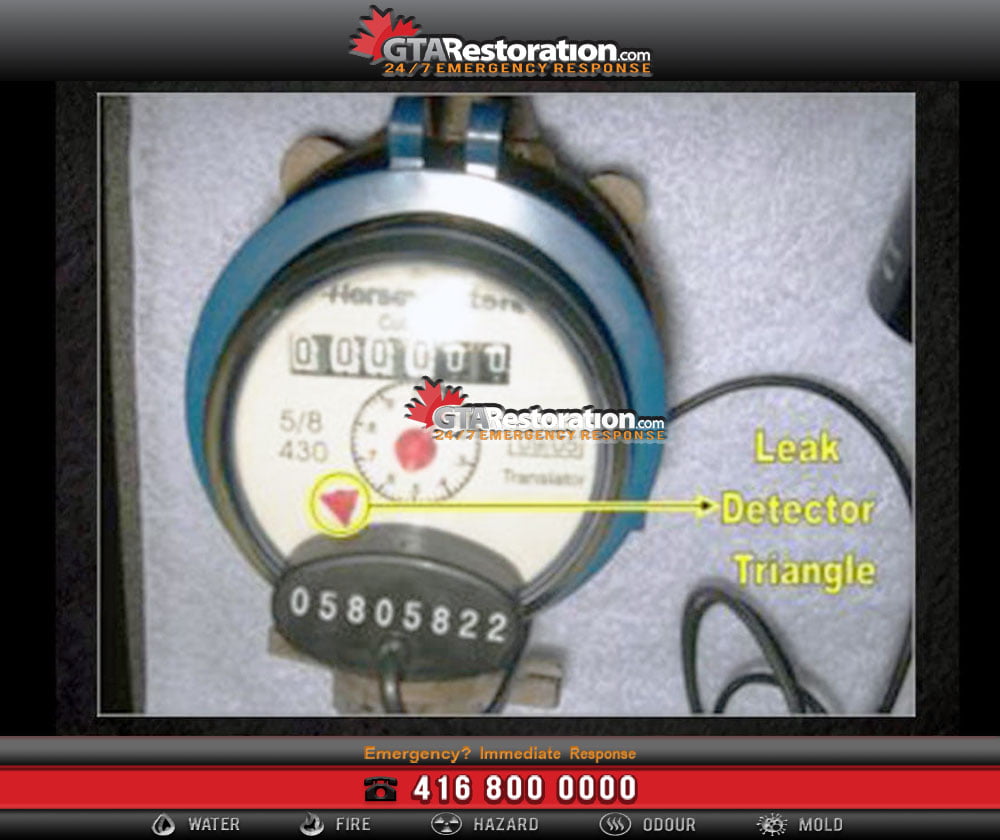
You can also check your water meter. First, turn off faucets, toilets, appliances, irrigation systems, and other water-using fixtures. Then check whether the meter continues to register water use.
If it continues moving, contact a qualified plumbing professional to investigate the source.
Other Water Leak Warning Signs to Check
A high water bill alone cannot identify the location of a leak. However, water-use changes combined with stains, moisture, unusual plumbing sounds, or pressure changes can help narrow the investigation.
Audible Warning Signs for Water Leak Detection Canada
Sometimes homeowners can hear a plumbing problem before they see visible damage. For example, hissing, dripping, running-water, or splashing sounds may indicate unwanted water movement within a pipe or surrounding building material.
Pay particular attention when these sounds continue after you turn off all fixtures. If the noise persists, a plumber can inspect the system and determine whether the property needs professional leak detection.
Plumbing Sounds That Need Investigation
Not every plumbing sound indicates a leak. Pipes can make normal noises as water moves through the system. Nevertheless, a new or persistent sound combined with damp materials, increased water use, or reduced pressure gives you a stronger reason to investigate.
Water Leak Detection Canada: Wet Spots & Mold Growth
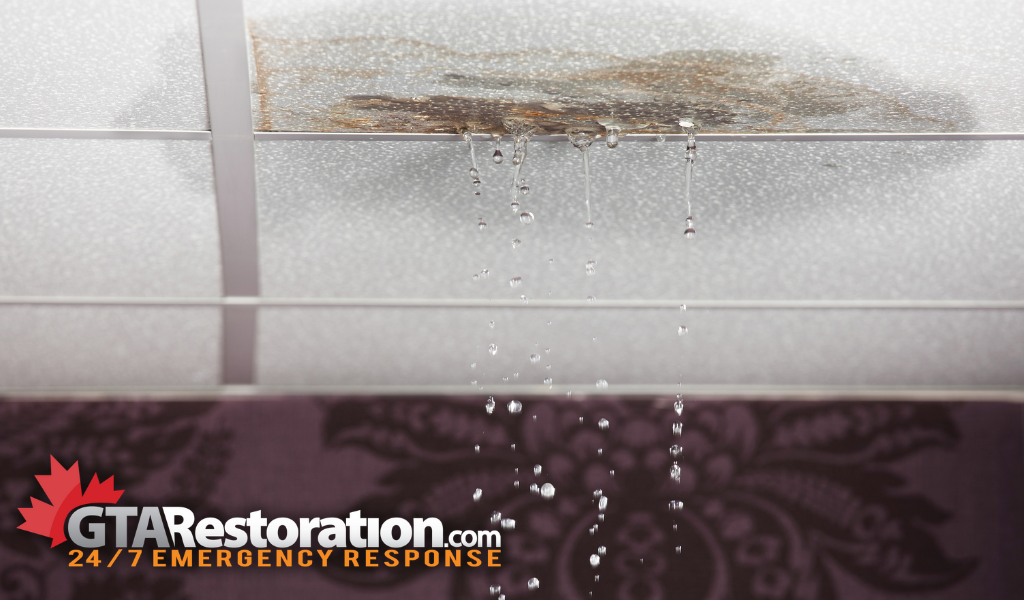
Wet spots on ceilings, walls, or floors can indicate unwanted moisture from plumbing, roofing, condensation, or another source. Therefore, locate the moisture source instead of simply painting over the stain or drying the visible surface.
Persistent moisture can also create conditions that support mold growth. As a result, unexpected mold, musty odours, or damp materials around plumbing fixtures may indicate an unresolved moisture problem.
Early investigation helps determine where the moisture originates and which materials need drying, repair, or further assessment.
Warm or Hot Areas on Floors
An unusually warm area of flooring may point to a hot-water plumbing problem beneath or near the floor. However, several conditions can create temperature differences, so warmth alone does not confirm a leak.
Pay attention when a new warm area appears together with higher water use, moisture, plumbing sounds, or other warning signs. A plumbing professional can then investigate the area and determine the cause.
Water Pressure Changes & Water Leak Detection Canada
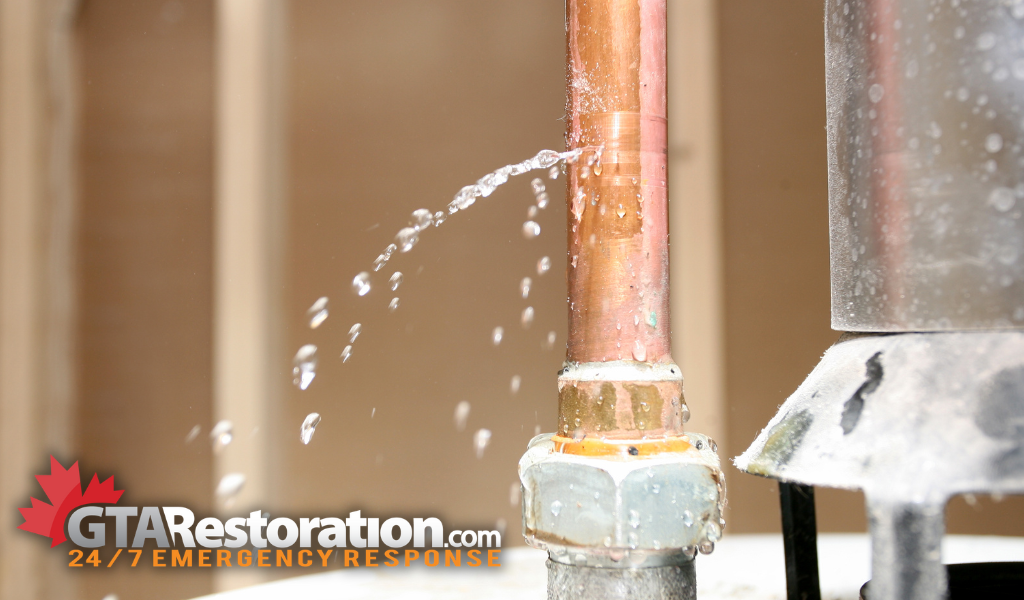
A sudden drop in water pressure can indicate a plumbing problem. For example, water escaping through a damaged pipe may reduce the amount of water reaching faucets or fixtures.
Other plumbing problems can also reduce pressure. Therefore, investigate sudden or persistent changes rather than assuming a hidden leak caused them.
Some smart monitoring systems also track pressure changes. Consequently, these devices may alert property owners to unusual plumbing activity before visible damage develops.
Professional Water Leak Detection Canada Methods
Professional water leak detection Canada services use different investigation methods depending on the property, plumbing system, and suspected leak location. Technicians may use moisture meters, pressure testing, acoustic equipment, ultrasonic tools, and thermal imaging.
No single method works for every leak. Therefore, an experienced technician selects the appropriate tools based on the building materials, plumbing configuration, visible conditions, and information provided by the property owner.
Moisture Testing for Hidden Water Damage
Moisture meters help technicians investigate building materials that may contain excess moisture. Depending on the meter and material, technicians can compare readings from suspected areas with normal or unaffected materials.
During structural drying, moisture readings can also help technicians monitor progress after the plumbing source has been repaired.
Thermal Imaging for Water Leak Detection Canada
Thermal cameras display temperature patterns across walls, ceilings, floors, and other surfaces. Technicians can use unusual temperature patterns to identify areas that need further investigation.
However, thermal imaging does not directly detect or measure moisture. Instead, technicians confirm suspicious areas with appropriate moisture meters or plumbing diagnostic equipment.
Ultrasonic Leak Detection
Ultrasonic equipment helps technicians listen for high-frequency sounds that some pressurized plumbing leaks create. Specialized equipment can amplify these sounds and help narrow down the possible location of a leak.
When site conditions allow, this method may also reduce unnecessary openings in walls, ceilings, or flooring.
Acoustic Methods for Water Leak Detection Canada
Acoustic leak detection uses specialized listening equipment to investigate suspected plumbing leaks. Technicians listen for sounds associated with escaping water and compare sound levels across different locations.
This method works best when site conditions allow technicians to separate leak sounds from surrounding noise.
Pressure Testing for Hidden Plumbing Leaks
Pressure testing can help a plumber determine whether part of a plumbing system loses pressure unexpectedly. The plumber selects a testing method based on the type of piping and the suspected problem.
Because plumbing systems vary, qualified professionals should perform and interpret pressure tests.
Why Professional Water Leak Detection Canada Matters
Hidden leaks can be difficult to locate because water often travels away from the original source before visible damage appears. For this reason, professional investigation can help narrow down the problem area before unnecessary demolition begins.
Once technicians locate the source, a plumber can complete the appropriate repair. Afterward, restoration technicians can assess any resulting water damage and determine whether the property needs extraction, drying, cleaning, or material removal.
How to Check for Small Leaks Using Your Water Meter
Preparing for a Plumber’s Visit
Before the plumber arrives, clear boxes, furniture, and other items away from plumbing fixtures and suspected leak locations. This gives the technician easier access and can make the inspection more efficient.
Make notes about where you saw moisture, heard unusual sounds, or noticed changes in water pressure. Also tell the plumber when the problem started and whether it happens continuously or only when certain fixtures operate.
Most importantly, know where the property’s main water shutoff is located. During a major leak, shutting off the water can help limit additional damage when you can safely reach the valve.
Choosing a Detector for Water Leak Detection Canada
Smart water leak detectors can add another level of monitoring to homes and buildings. Some devices detect moisture directly, while others monitor water flow or pressure. Many systems can also send alerts through mobile apps or built-in alarms.
More advanced systems may automatically close a water shutoff valve after detecting unusual activity. However, manufacturers offer different features, so compare the available options carefully.
Water Leak Detector Features to Consider
Wi-Fi or other remote connectivity
Mobile notifications or audible alarms
Battery-powered or hardwired operation
Compatibility with existing smart-home systems
Water-flow or pressure monitoring
Automatic water shutoff capability
The number of sensors required for the property
Best Places for Water Leak Detectors
Strategic placement improves the usefulness of water sensors. Consider installing them near washing machines, dishwashers, water heaters, sinks, toilets, mechanical rooms, basements, and other locations where plumbing leaks may develop.
Larger homes, condos, and commercial properties may need several sensors for effective coverage. Meanwhile, some automatic shutoff systems require professional installation because they connect directly to the plumbing system.
Water Leak Detection Canada Prevention Tips
Regular plumbing maintenance helps property owners identify aging or damaged components before they fail. For example, inspect accessible supply lines, shutoff valves, appliance connections, faucets, toilets, and other visible plumbing components.
Also investigate unusual changes in water pressure, consumption, plumbing sounds, stains, or visible moisture. Early action may stop a minor plumbing problem from causing more extensive property damage.
In addition, keep track of the age and condition of important plumbing components. Replacing deteriorated supply hoses, damaged valves, or worn fittings before they fail can reduce the risk of an unexpected leak.
Protect High-Risk Areas of Your Property
Pay extra attention to areas around water heaters, washing machines, dishwashers, refrigerators with water lines, toilets, sinks, sump pumps, and mechanical equipment. These locations contain plumbing connections or equipment that may eventually leak.
For condos and commercial properties, property managers should encourage occupants and staff to report stains, moisture, unusual plumbing sounds, or other warning signs quickly.
What Happens After You Find a Water Leak?
Finding the leak solves only part of the problem. First, arrange the appropriate plumbing repair so water stops entering the affected area.
Next, check nearby drywall, insulation, flooring, ceilings, cabinets, baseboards, and other building materials for moisture. Water can travel beyond the area where you first noticed the leak.
If the leak caused property damage, restoration may include water extraction, moisture testing, structural drying, dehumidification, cleaning, and removal of materials that cannot remain in place.
Water leak detection Canada services help homeowners, landlords, property managers, and businesses investigate hidden plumbing problems before additional damage develops. Common warning signs include unexplained increases in water bills, unusual plumbing sounds, damp areas, stains, warm flooring, mold growth, and changes in water pressure.
Professional technicians may use several methods to investigate a suspected leak. These can include moisture testing, acoustic equipment, ultrasonic tools, pressure testing, and thermal imaging. Meanwhile, smart water sensors and routine plumbing maintenance can provide additional protection.
Most importantly, repair the plumbing source once you identify it. Then assess surrounding building materials for water damage so you can address both the leak and its effects.
Water Leak Detection Canada FAQs
Common Signs of a Water Leak
Typical warning signs include unexplained increases in water bills, running-water sounds, damp areas, water stains, reduced water pressure, warm flooring, and unexplained moisture. Because several problems can create similar symptoms, a professional inspection may help determine the actual cause.
Can Thermal Imaging Detect Water Leaks?
Thermal imaging displays temperature differences that can help technicians identify areas requiring further investigation. However, the camera does not directly measure moisture. Technicians should confirm suspicious areas with suitable moisture or plumbing diagnostic equipment.
Preparing for a Plumber’s Visit
Clear access around plumbing fixtures and suspected leak areas. Also make note of unusual sounds, stains, moisture, pressure changes, or increases in water use. Finally, make sure you know where the main water shutoff is located.
Benefits of Professional Leak Detection
Professional leak detection can help narrow down the source of a hidden plumbing problem. This allows plumbers to target repairs more accurately and may reduce unnecessary openings in walls, ceilings, or floors.
Smart Water Leak Detectors: How They Work
Depending on the system, smart water leak detectors monitor moisture, water activity, flow, or pressure. When unusual conditions occur, many models send alerts through an alarm, mobile app, or connected-home system.
Reducing the Risk of Future Plumbing Leaks
Inspect plumbing components regularly, replace aging supply lines and fittings, and install water sensors in high-risk locations. In addition, investigate unusual water use, pressure changes, sounds, or visible moisture as soon as you notice them.
Need Water Leak Detection in Toronto?
GTA Restoration provides professional water leak detection and emergency water damage services throughout Toronto and the GTA.
Property Protection with Water Leak Detection Canada
For homes, condos, rental properties, and businesses, water leak detection Canada strategies can help identify plumbing problems before they cause more extensive damage. Regular inspections, early reporting, and water-monitoring devices can all play a role in protecting the property.
Watch for unusual water consumption, pressure changes, plumbing sounds, stains, damp materials, or moisture that appears without an obvious source. When something changes, investigate the cause early instead of waiting for visible damage to spread.
How Hidden Water Leaks Can Damage Property
Hidden plumbing leaks can affect drywall, ceilings, flooring, cabinetry, insulation, baseboards, and other building materials. Water may also travel through wall cavities or beneath flooring before it becomes visible.
As a result, the first stain or damp area may not show the full extent of the problem. Finding the source quickly can help limit additional damage and make the restoration process easier to manage.
Water Leak Detection Canada for Condos & Commercial Buildings
Investigating leaks can become more complex in condos, apartment buildings, offices, retail spaces, and other multi-unit properties. Water may travel between units, through ceilings, along plumbing lines, or inside shared building assemblies.
Depending on the situation, technicians may use moisture meters, acoustic equipment, pressure testing, ultrasonic tools, or thermal imaging to investigate affected areas.
Property managers should encourage occupants and building staff to report water stains, damp materials, unusual plumbing sounds, or unexplained moisture quickly. Early reporting can help the building team respond before the problem reaches additional areas.
Preventative Water Leak Detection Canada Tips
Inspect accessible plumbing connections regularly, including appliance hoses, shutoff valves, water heaters, toilets, sinks, sump pumps, and other water-related equipment.
Consider installing water sensors in high-risk locations as well. Some systems provide smartphone alerts, while more advanced equipment can monitor water flow or automatically shut off the supply after detecting unusual activity.
Routine maintenance cannot prevent every plumbing failure. However, it can help identify worn or aging components before they create a larger problem.
Protecting Your Property After a Leak
Once you find the plumbing source, arrange the appropriate repair. After the repair, inspect surrounding building materials for moisture and water damage.
If water has reached drywall, insulation, flooring, ceilings, cabinetry, or other materials, GTA Restoration can assess the affected area and develop an appropriate drying and restoration plan.
Important Water Leak Detection Canada Takeaways
Investigate unexplained increases in water use or water bills.
Listen for new hissing, dripping, running-water, or splashing sounds.
Check stains, damp materials, warped flooring, and unexplained moisture.
Avoid relying on thermal imaging alone to confirm moisture.
Use suitable testing methods to investigate suspicious areas.
Place water sensors near appliances, mechanical rooms, sinks, and other high-risk locations.
Inspect aging plumbing connections and appliance supply lines regularly.
Know where the property’s main water shutoff is located.
Repair the plumbing source before starting water damage restoration.
Professional Water Leak Detection Canada Assistance
Hidden plumbing leaks can become difficult to manage when water reaches walls, ceilings, flooring, insulation, or neighbouring areas. Professional investigation can help locate the source and determine whether the property also needs water damage restoration.
Throughout Toronto and the Greater Toronto Area, GTA Restoration provides leak detection and emergency water damage services for residential and commercial properties.
Need Water Leak Detection Canada Assistance?
Early investigation can help limit additional water damage and identify the appropriate next step.
GTA Restoration serves communities across Canada, including Toronto and the GTA. U.S. locations are opening. Browse our Canadian service areas below, and contact us to confirm services and availability for your address.




 Facebook
  Instagram
  LinkedIn
  X / Twitter
  YouTube