...
Mold Removal Versus Encapsulation: Which Helps?

A stained basement wall or musty condo closet can create a difficult choice: mold removal versus encapsulation. These are not interchangeable fixes. Removal addresses contaminated material or growth that can be safely cleaned, while encapsulation applies a protective coating to a properly prepared surface. The right path depends on the material, the amount of damage, and whether moisture has truly stopped.

Start With the Moisture Source

Mold needs moisture to keep growing. A roof leak, plumbing leak, wet foundation wall, sewer backup, condensation problem, or flood can feed growth behind finished walls and under flooring. Painting or coating over that moisture may hide stains, but it does not correct the condition that caused them.

Start by limiting access to the affected area. Do not scrape dry mold, run fans across visible growth, or remove damaged drywall without proper containment. Disturbing affected materials can spread particles into nearby rooms and HVAC systems.

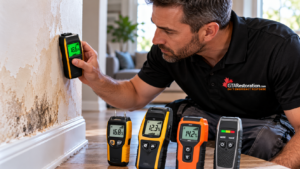
A restoration assessment should identify where water entered, which materials are wet, and whether growth may be hidden. Moisture readings, visual checks, and selective access can help define the work area. For condo units, access to common elements, adjoining suites, or mechanical spaces may also be needed before the cause is clear.

Mold Removal Versus Encapsulation: The Core Difference

What mold removal means

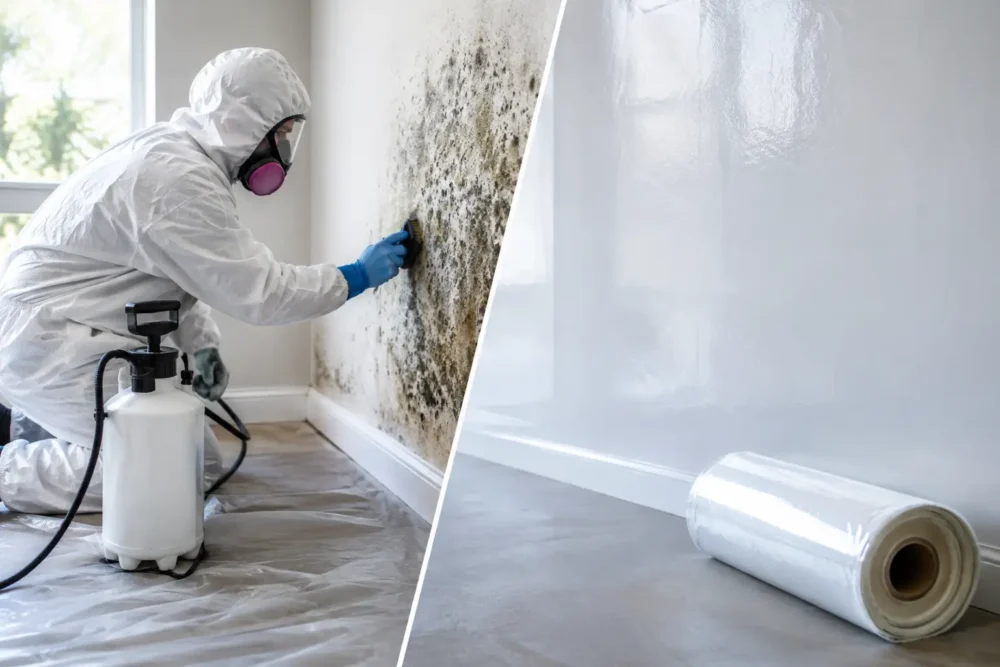
Mold removal, often called remediation, means cleaning recoverable surfaces and removing materials that cannot be effectively cleaned. Nonporous materials such as metal, glass, and some plastics may be cleaned when their condition allows. Porous materials, including wet drywall, insulation, ceiling tile, carpet padding, and particleboard, often need removal when contamination is substantial or has penetrated deeply.

The goal is not to make a room look clean while leaving damp material behind. The work should address the moisture source, isolate the affected area as needed, remove or clean materials carefully, and dry the remaining structure before repairs begin.

What encapsulation means

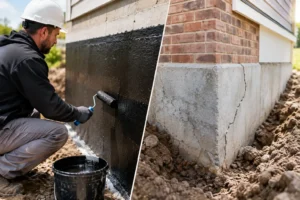
Encapsulation uses a specialized coating or sealant on a surface that has been cleaned, dried, and judged suitable to remain. It may be considered for sound framing lumber, masonry, or other stable surfaces after remediation. The coating can help seal minor staining and create a finished surface, but it is not a substitute for cleaning active growth or removing damaged porous material.

Encapsulation can make sense when removing a sound structural surface would be disruptive and the underlying moisture issue has been corrected. It is usually a poor choice over soft, crumbling, wet, or visibly contaminated drywall, insulation, carpet, or wood that continues to deteriorate.

When Removal Is Usually the Better Choice

Removal is often the safer practical option when materials remain wet, growth is widespread, or mold appears inside wall cavities, beneath flooring, or around insulation. It may also be needed after contaminated water has affected finishes. A sewer backup, for example, can introduce contaminants beyond ordinary moisture damage and requires a more controlled cleanup plan.

Commercial and multi-unit properties need special attention. Mold in a janitorial room, tenant suite, corridor, or mechanical area can affect operations and access. Property managers should document affected spaces, protect occupants from the work area, and coordinate access before opening walls or ceilings.

No two materials respond the same way. A small area on a solid surface may be cleanable, while a similar-looking stain on drywall can indicate damage inside the board. That is why a visual check alone should not decide the scope.

When Encapsulation May Be Appropriate

Encapsulation may be useful after cleanup when a stable surface has cosmetic staining that cannot be fully removed without unnecessary demolition. It can also help protect cleaned framing before reconstruction, provided the material is dry and the water source has been corrected.

Before coating a surface, confirm that it is structurally sound. Loose paint, dust, residue, deteriorated wood, and ongoing moisture can prevent the coating from performing as intended. A coating should not seal in odor, dampness, or contamination simply to speed up a renovation.

Ask what preparation is planned and why the surface can remain. A clear answer should cover cleaning, drying, surface condition, and the source of the original moisture. If those steps are unclear, more assessment may be needed before repair work proceeds.

A Practical Assessment and Cleanup Process

A careful response usually begins with stopping water intrusion and protecting the affected area. Technicians may use moisture meters and other inspection tools to locate wet materials, then create containment where work could release dust or debris. Controlled removal, surface cleaning, and drying follow based on the materials involved.

Repairs should wait until the remaining structure is dry enough for rebuilding. Replacing drywall or flooring too early can trap moisture and create another mold risk. In a finished basement, this may mean checking behind baseboards, wall finishes, and flooring transitions instead of repairing only the visible stain.

GTA Restoration can assist with mold assessment, controlled cleanup, drying, and repairs after water damage. The work scope should match the property conditions, access needs, and materials affected rather than relying on one approach for every room.

Keep Records for Repairs and Insurance Questions

Take clear photos before moving damaged items, during cleanup, and before closing walls. Keep notes on when the issue was found, where water traveled, who was notified, and which rooms could not be used. Moisture readings, estimates, invoices, and work records can also help explain the damage.

For tenants and condo owners, notify the landlord, property manager, or condo corporation promptly when a leak or suspected common-element issue is involved. Insurers decide policy coverage and claim outcomes. A restoration contractor can provide photos, readings, estimates, and records, but cannot determine coverage.

Do Not Trade a Quick Cover-Up for a Lasting Problem

The best choice is the one that deals with the moisture, the affected materials, and the condition behind the visible surface. If you are unsure whether a surface should be removed or encapsulated, pause repairs long enough to get a proper assessment. That decision can protect the space you need to live or work in next week, not just the wall you see today.

Share this... Spread the word!


Restoration Support

When moisture and suspected mold affect your property, organized assessment and careful documentation help guide safe cleanup and practical repair decisions.

Mold Inspection Support

We assess visible conditions, likely moisture sources, and affected materials to help define a focused cleanup scope before repairs begin.

Moisture Source Checks

Finding leaks, condensation, or water entry is essential. Mold work should not begin without addressing the source of moisture.

Containment and Cleanup

Controlled work areas can reduce dust movement while damaged materials are removed and remaining surfaces receive appropriate cleaning.

Structural Drying

Drying wet framing, floors, and wall cavities helps reduce ongoing moisture before insulation, drywall, or finishes are replaced.

Selective Material Removal

Damaged porous materials may need removal when cleaning cannot reasonably address contamination or water damage within the material.

Encapsulation Planning

Encapsulation may suit cleaned, dry, stable surfaces. We review preparation needs before recommending a coating as part of repairs.

Repair Coordination

After cleanup and drying, repairs can restore affected walls, ceilings, flooring, and other finishes based on property conditions.

Damage Records

Photos, moisture readings, estimates, and work records can support communication with property managers and insurance representatives. Coverage decisions remain with insurers.

For mold concerns in Toronto and the GTA, speak with a restoration team before sealing or rebuilding affected areas.

Call Us: 416-800-0000


GTA Service Centre


Frequently Asked Questions

Is encapsulation enough for visible mold?

Not always. The surface must first be cleaned, dry, stable, and free of ongoing moisture. Wet or damaged porous materials may require removal.

What should I do before a mold inspection?

Avoid disturbing the area, stop active water if safe, and take photos. Keep pets, occupants, and stored belongings away from visible growth.

Can mold return after removal?

It can return if moisture returns. Leak repairs, drying, ventilation, and prompt response to new water damage reduce that risk.

Does insurance cover mold removal?

Coverage depends on the policy, cause of loss, limits, and insurer review. Keep records and ask your insurer about your specific claim.

Why are moisture readings useful?

Readings help identify wet building materials and document drying progress. They can also guide decisions about removal, repair, or further investigation.


Learn more ↴


Direct Billing & Insurance Claims

Ask your insurer about coverage, deductibles and the records it needs.


Payment options

In-House Financing Available

Financing up to 24 months. No interest. No money down. Ask us about the terms.


Certifications & Insurance

View our firm certification, technician qualifications and insurance documents.

IICRC Certified Firm

GTA Restoration Inc.

Firm number 199912
Valid through

View IICRC certificate (PDF) — opens in a new tab

Business Insurance

GTA Restoration Group Inc.

$5 million general liability per occurrence
$8 million contractors pollution per claim
–

View insurance certificate (PDF) — opens in a new tab

IICRC Technician Qualifications

Richard Mark Provence · Registration 55726
Certificate expires

Water Damage Restoration · Fire & Smoke Restoration · Applied Microbial Remediation · Odor Control · Trauma & Crime Scene

View technician verification (PDF) — opens in a new tab

Insurance is subject to policy terms, conditions and exclusions.


Emergency? Click to Call!