House Smells Like Sewage? Causes, Fixes & Safety Tips
What to Do When Your House Smells Like Sewage
If your house smells like sewage, start by finding where the odour is strongest and checking common plumbing sources. Dry drain traps, clogged drains, damaged toilet seals, plumbing vent problems, sewer-line issues, and actual sewage backups can all create unpleasant odours inside a property.
Some causes are simple, while others require professional plumbing or restoration work. Therefore, avoid masking the smell with air fresheners before identifying the source. If the odour is strong, sewage is visible, or anyone develops symptoms such as headache, nausea, dizziness, or breathing difficulty, move away from the affected area and seek appropriate assistance.
House Smells Like Sewage: Key Takeaways
- A dry P-trap is one of the simplest causes of sewer odours from an infrequently used drain.
- Damaged toilet seals, cracked drain lines, venting problems, and clogged drains may also allow odours into the home.
- Slow drains, gurgling fixtures, wastewater coming back through a drain, or several affected fixtures can indicate a larger drainage problem.
- Finding the source matters more than temporarily covering the odour.
- Visible sewage requires different precautions from an ordinary drain odour.
- A plumber should investigate persistent sewer smells or suspected plumbing defects.
- If sewage has contaminated building materials, professional cleanup and restoration may also be required.
House Smells Like Sewage? Start by Finding the Source
When a house smells like sewage, determine whether the odour comes from one fixture, one room, or several parts of the property. This can help separate a local drain problem from a larger sewer or venting issue.
For example, an odour coming only from a rarely used basement floor drain may point to a dry trap. By comparison, several slow or gurgling drains may indicate a blockage or other problem farther downstream.
Check Plumbing Fixtures
Start with sinks, toilets, bathtubs, showers, laundry connections, and nearby drains. Look for moisture, loose connections, slow drainage, unusual sounds, or obvious wastewater.
A damaged toilet seal can sometimes allow sewer odours into a bathroom even when the toilet appears to function normally. Likewise, buildup inside a drain or overflow passage can create an unpleasant smell that resembles sewage.
If you also notice unexplained moisture, our water leak detection guide explains other warning signs worth investigating.
Look at Floor Drains & P-Traps
P-traps hold a small amount of water that blocks gases from moving from the drainage system into occupied rooms. When an infrequently used drain dries out, that water seal can disappear.
Try running clean water into a seldom-used sink, shower, or floor drain. If a dry trap caused the odour, restoring the water seal may solve the problem.
However, a smell that quickly returns deserves further investigation. A damaged trap, loose connection, blocked vent, or sewer problem may be responsible instead.
Consider Plumbing Vent Problems
Plumbing vent systems allow drainage systems to operate correctly and route gases outdoors. A blocked, damaged, disconnected, or incorrectly installed vent can contribute to odours inside a building.
Because vent terminals are often located on the roof, homeowners should avoid unsafe roof access. A plumber can inspect the venting system and use appropriate diagnostic methods when a vent problem is suspected.
Common Causes When a House Smells Like Sewage
Several plumbing conditions can make a home smell like sewage. Some only affect one fixture, while others involve the main drain or sewer connection.
Dry P-Traps
Guest bathrooms, basement drains, utility sinks, and other fixtures that receive little use may lose their trap water through evaporation. As a result, sewer odours can travel through the open trap.
Running water periodically through these fixtures helps maintain the seal. If the trap repeatedly dries out or the smell remains, ask a plumber to investigate.
Damaged Toilet Seals
The seal between a toilet and its drain connection helps contain wastewater and sewer gases. When that seal fails, odours may develop around the base of the toilet.
Other warning signs can include movement at the toilet base or moisture near the floor. A plumber can remove the fixture, inspect the connection, and replace the seal when necessary.
Clogged or Dirty Drains
Hair, food residue, grease, soap, and other organic material can collect inside drains. Over time, buildup can create unpleasant odours even when sewer gas is not the primary problem.
Mechanical cleaning may help when debris is accessible. However, persistent or recurring clogs may require professional drain cleaning or inspection.
Cracked or Disconnected Drain Lines
Damaged plumbing can allow wastewater, moisture, or sewer gases to escape into wall cavities, ceilings, floors, crawlspaces, or basements.
Because the visible symptom may appear away from the actual defect, professional investigation can help determine where the problem begins.
Main Sewer Line Problems
A blocked or damaged main drain can affect several fixtures. Warning signs may include multiple slow drains, toilets that gurgle, wastewater rising through a floor drain, or sewage backing up into the building.
If several fixtures behave abnormally at the same time, avoid repeatedly running more water through the system until a plumber determines the cause.
House Smells Like Sewage After a Sewer Backup
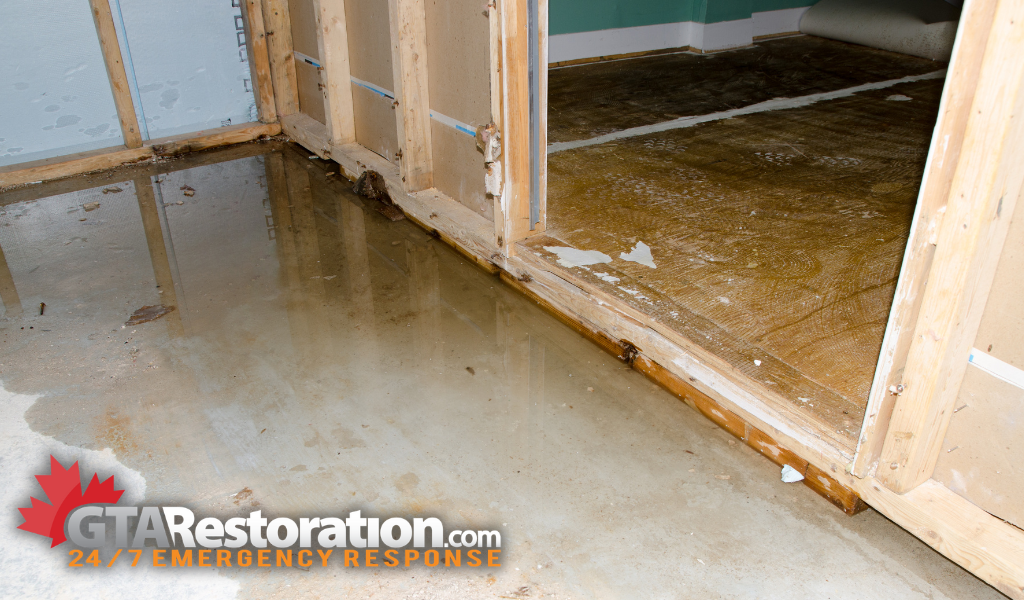
If your house smells like sewage after wastewater has entered a basement, bathroom, floor drain, or other occupied area, the problem is no longer limited to odour. Sewage can contaminate flooring, drywall, contents, baseboards, and other materials.
A plumber may need to correct the blocked or damaged drainage system first. Afterward, restoration work can address contaminated water and affected building materials.
GTA Restoration provides professional sewer backup cleanup throughout Toronto and the GTA for residential and commercial properties.
What to Do Around Visible Sewage
Avoid unnecessary contact with wastewater and keep children, pets, and other occupants away from significantly contaminated areas. Do not use an ordinary household vacuum to remove sewage or contaminated water.
If electrical equipment, outlets, appliances, or wiring have contacted water, avoid the affected area until the electrical hazard has been addressed appropriately.
Safe First Steps for a Sewage Smell
Once you identify the general area, simple observations can help determine the next step. However, avoid aggressive DIY work when the source remains unclear.
Run Water Through Seldom-Used Drains
Start with fixtures that have not been used recently. Running water can restore a dry P-trap and block gases from entering through the drain.
Check for Visible Plumbing Problems
Look around toilets, sinks, accessible drain connections, washing machines, and mechanical areas for moisture, loose fittings, or obvious leaks.
Do not open walls, dismantle sewer piping, or remove plumbing components unless you are qualified to do so.
Clean Ordinary Drain Buildup Carefully
If the smell comes from organic buildup near a drain opening, routine drain cleaning may help. A removable strainer can also catch hair and debris before it enters the drain.
Baking soda and vinegar may loosen minor surface buildup, but this mixture does not repair a damaged pipe, blocked sewer, failed seal, or venting problem. Therefore, do not rely on it when the odour continues.
Also avoid combining household cleaning chemicals. In particular, never mix bleach with acids or other cleaners.
Ventilate When Appropriate
If outdoor conditions allow, opening windows can provide general ventilation while you investigate a minor odour. However, ventilation does not repair the plumbing source.
If the smell becomes unusually strong or occupants develop symptoms, leave the affected area rather than remaining inside solely to ventilate it.
Health & Safety When Your House Smells Like Sewage
A sewage-like smell does not tell you exactly which gas is present or at what concentration. Still, persistent sewer gas odours deserve attention.
Hydrogen sulfide has a characteristic rotten-egg smell and can occur in sewer and wastewater environments. Health Canada reports that sufficiently high exposure can affect the respiratory system, nervous system, and eyes. Symptoms associated with exposure can include nausea and headaches. Learn more from Health Canada.
Methane may also occur in sewer environments. Unlike hydrogen sulfide, pure methane has no rotten-egg smell. At sufficient concentrations it can create flammability and oxygen-displacement hazards, particularly in enclosed spaces.
Do Not Rely on Smell Alone
The strength of an odour cannot reliably tell you whether a space is safe. In particular, the ability to smell hydrogen sulfide can diminish during continued or high exposure.
Therefore, leave the area and seek emergency assistance if there is a very strong unexplained gas odour, difficulty breathing, dizziness, confusion, fainting, or another serious symptom.
Moisture, Sewage Odours & Mold
A sewage smell does not automatically mean mold is growing behind the walls. However, a plumbing leak or sewage backup can introduce moisture into materials that may later require drying or remediation.
For this reason, investigate damp drywall, flooring, cabinets, insulation, or other porous materials after a plumbing failure. Moisture meters can help determine whether materials remain wet.
If visible mold or a documented moisture problem develops, address the water source first and then determine whether professional mold remediation is appropriate.
Preventing Future Sewer Odours
Routine plumbing maintenance can reduce the chance of recurring odours and help identify problems before they become larger emergencies.
Keep Infrequently Used Traps Wet
Run water through guest bathroom fixtures, basement drains, utility sinks, and other seldom-used drains periodically. This helps maintain the water seal inside the trap.
Watch for Changes in Drainage
Pay attention to slow drains, repeated clogs, gurgling toilets, moisture, or odours that repeatedly return. A combination of symptoms often provides more useful information than smell alone.
Maintain Plumbing Connections
Inspect accessible plumbing components for corrosion, looseness, leaks, or deterioration. Address problems before a small plumbing defect causes wastewater or water damage.
Schedule Professional Investigation When Needed
Recurring sewer odours may require drain inspection, smoke testing, camera inspection, vent investigation, or another plumbing diagnostic method.
For urgent plumbing problems, GTA Restoration’s emergency plumber Toronto service is available 24/7 throughout Toronto and the GTA.
When a House Smells Like Sewage: Call a Professional
If your house smells like sewage after you refill dry traps and check obvious sources, a professional plumber can investigate the drainage and venting system.
Professional help becomes especially important when several fixtures are affected, sewage backs up, drains repeatedly clog, a toilet seal fails, wastewater leaks into building materials, or the odour remains unexplained.
Plumbing repair and restoration are sometimes separate parts of the same loss. The plumber corrects the failed pipe, blockage, fixture, or sewer component. Then the restoration team addresses contaminated water, wet materials, drying, cleaning, and repairs when needed.
House Smells Like Sewage: Summary
When your house smells like sewage, first determine whether the odour comes from a dry drain, dirty fixture, toilet seal, plumbing vent, damaged pipe, or larger sewer problem.
Simple causes such as a dry trap may only require restoring the water seal. However, persistent odours, several affected drains, sewage backups, damaged plumbing, or unexplained moisture warrant professional investigation.
Most importantly, treat visible sewage differently from an ordinary drain smell. Prevent contact with contaminated areas, correct the plumbing source, and arrange appropriate cleanup when wastewater has affected the property.
House Smells Like Sewage: Frequently Asked Questions
Why does my house suddenly smell like sewage?
A dry P-trap, dirty drain, damaged toilet seal, plumbing vent problem, cracked drain line, or sewer blockage can cause a sudden sewage-like odour. The location and number of affected fixtures can help narrow down the source.
Can a dry drain cause a sewage smell?
Yes. A dry P-trap loses the water seal that normally separates indoor air from the drainage system. Running water into an infrequently used drain may restore that seal.
Why does the sewage smell keep coming back?
A recurring odour may indicate that the trap repeatedly dries out or that another plumbing problem exists. Damaged seals, venting defects, drain buildup, or sewer-line problems may require professional investigation.
Should I use baking soda and vinegar?
Baking soda and vinegar may help loosen some ordinary drain buildup, but they do not repair plumbing defects or remove major sewer blockages. Persistent sewage odours require diagnosis of the actual source.
Is sewer gas dangerous?
The risk depends on which gases are present, their concentrations, and how long someone is exposed. Hydrogen sulfide can become hazardous at sufficiently high concentrations. A sewage smell alone cannot determine the exposure level.
When should I leave the house?
Leave the affected area if there is a very strong unexplained gas odour or anyone develops serious symptoms such as breathing difficulty, marked dizziness, confusion, collapse, or loss of consciousness. Seek emergency assistance when appropriate.
Who should I call if my house smells like sewage?
Call a plumber when you suspect a drain, vent, toilet seal, sewer line, or other plumbing problem. If sewage has entered the property and contaminated building materials, a professional restoration company may also be required.
House Smells Like Sewage?
GTA Restoration provides emergency plumbing, sewer backup cleanup, water extraction, structural drying, cleaning, and restoration services throughout Toronto and the GTA.
Call GTA Restoration 24/7 at 416-800-0000.
Learn More ↴
How to Get the Smoke Smell Out | How to Remove Smoke Odour Fast | Sewer Smell in Basement? What It Means | Odour Removal | Biohazard Cleanup Toronto – 24/7 Professional Remediation
For non-emergencies use our contact form
Health & Property Concerns When a House Smells Like Sewage
If your house smells like sewage, the odour may come from a relatively simple plumbing issue or a more significant sewer problem. Instead of assuming the cause, identify where the smell originates and look for other warning signs such as slow drains, gurgling fixtures, wastewater, leaks, or damp building materials.
A persistent sewage odour should not be ignored. However, the smell alone cannot determine which gases are present or whether concentrations have reached hazardous levels.
Hydrogen Sulfide & Sewer Odours
Hydrogen sulfide is associated with the familiar rotten-egg smell that can occur around wastewater and sewer systems. Health effects depend on the concentration and duration of exposure.
Health Canada identifies respiratory, neurological, and eye effects among the concerns associated with sufficiently high hydrogen-sulfide exposure. Therefore, take strong or unexplained sewer-gas conditions seriously rather than relying on smell as a safety measurement.
Methane & Enclosed Spaces
Methane can also occur in sewer systems, but pure methane is odourless. At sufficient concentrations, it can create a flammability hazard and displace oxygen.
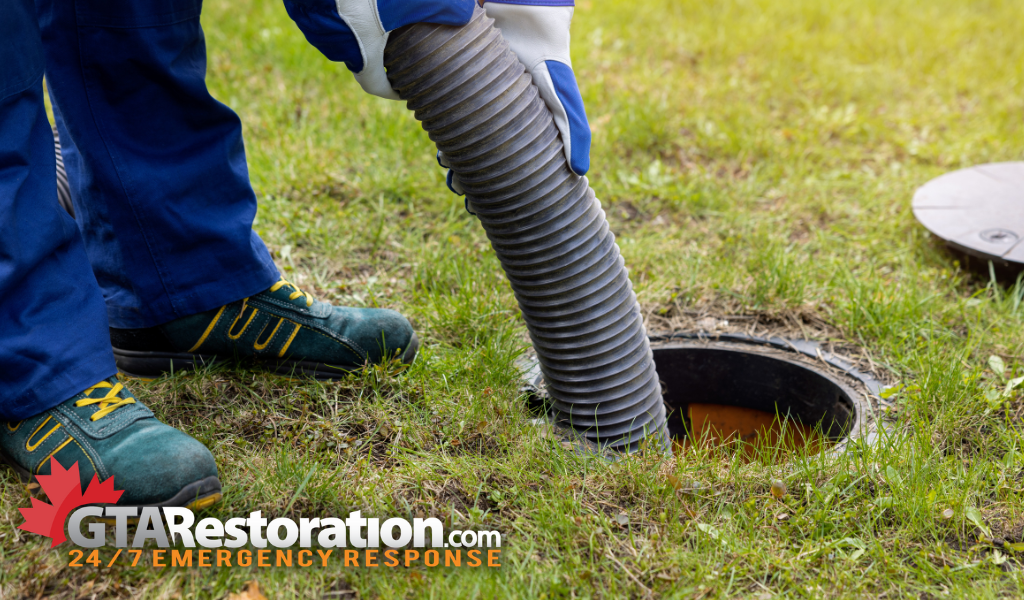
This is particularly important in confined or poorly ventilated locations. Property owners should never enter sewer structures, pits, tanks, or other confined spaces to investigate an odour themselves.
When Sewer Odours Accompany Moisture
A plumbing leak, overflowing fixture, or sewer backup can introduce moisture into drywall, flooring, cabinets, insulation, and other building materials.
Consequently, correcting the plumbing problem may only be the first step. The affected materials may also require moisture assessment, drying, cleaning, or removal depending on the conditions.
Sewage Backup vs. Sewer Gas Odour
A sewer odour and a sewage backup are not the same problem. A dry P-trap may allow an odour into the room without wastewater entering the property.
By contrast, a backup can introduce contaminated water and debris into occupied areas. In that situation, limit access to the affected space and arrange appropriate plumbing and cleanup services.
Preventing Problems When a House Smells Like Sewage
When a house smells like sewage repeatedly, prevention starts with correcting the actual plumbing source rather than continuously masking the odour.
Maintain Drain Traps
Run water periodically through fixtures and floor drains that receive little use. Maintaining the P-trap water seal can prevent gases from entering through an otherwise functional drain.
Respond to Slow or Gurgling Drains
Repeated clogs, gurgling toilets, and several slow drains may indicate a larger drainage issue. Investigating these warning signs early can help prevent a complete blockage or backup.
Check Accessible Plumbing
Look periodically for moisture around toilets, sinks, appliances, mechanical equipment, and visible pipe connections. Early repairs can reduce the chance of water or wastewater reaching surrounding building materials.
Keep Emergency Contacts Available
Property owners and managers should keep contact information for plumbing and restoration professionals available before an emergency occurs. This can make the response easier when a sewage backup or plumbing failure happens outside normal business hours.
Professional Help for Persistent Sewage Odours
A plumber can investigate recurring sewer odours, damaged seals, blocked drains, venting problems, and sewer-line concerns. Depending on the situation, diagnostic work may include a drain camera, smoke testing, pressure-related testing, or other plumbing inspection methods.
If wastewater has already entered the property, GTA Restoration can provide sewer backup cleanup, contaminated-material removal when necessary, cleaning, structural drying, and restoration based on the conditions found.
Need Help With a Sewage Smell or Backup?
GTA Restoration provides 24/7 emergency plumbing and restoration assistance throughout Toronto and the Greater Toronto Area.
Call 416-800-0000.
Service Areas Across Canada
GTA Restoration serves communities across Canada, including Toronto and the GTA. U.S. locations are opening. Browse our Canadian service areas below, and contact us to confirm services and availability for your address.
Search
- Air Duct Cleaning Montreal
- Ajax Asbestos Removal
- Ajax Mold Removal
- Ajax Water Damage
- Asbestos Removal Calgary
- Asbestos Removal Edmonton
- Asbestos Removal Fort Saskatchewan
- Asbestos Removal Gloucester
- Asbestos Removal Grimsby
- Asbestos Removal Hamilton
- Asbestos Removal Kanata
- Asbestos Removal Kitchener
- Asbestos Removal Laval
- Asbestos Removal Lincoln
- Asbestos Removal Montreal
- Asbestos Removal Nepean
- Asbestos Removal Niagara Falls
- Asbestos Removal Orleans
- Asbestos Removal Ottawa
- Asbestos Removal Sherwood Park
- Asbestos Removal Spruce Grove
- Asbestos Removal St Catharines
- Asbestos Removal St-Albert
- Asbestos Removal Thorold
- Asbestos Testing Hamilton
- Asbestos Testing Montreal
- Asbestos Testing Petersburg
- Aurora Mold Removal
- Aurora Water Damage
- Beaconsfield Asbestos Removal
- Brampton Asbestos Removal
- Brampton Mold Removal
- Brampton Water Damage
- Burlington Asbestos Removal
- Burlington Mold Removal
- Burlington Water Damage
- Burst Pipe Montreal Frozen Pipe
- Burst Pipe Repair Edmonton
- Burst Pipe Repair Ottawa
- Caledon Mold Removal
- Caledon Water Damage
- Calgary Mold Removal
- Calgary Water Damage
- Cambridge Mold Removal
- Cambridge Water Damage
- Clarington Mold Removal
- Concord Mold Removal
- Concord Water Damage
- Cooksville Mold Removal
- Edmonton Water Damage
- Emergency Roofing Vancouver
- Etobicoke Asbestos Removal
- Etobicoke Mold Removal
- Etobicoke Water Damage
- Fire Damage Grimsby
- Fire Damage Lincoln
- Fire Damage Niagara Falls
- Fire Restoration Fort McMurray
- Fire Damage Restoration Thorold
- Fire Damage St Catharines
- Flood Cleanup Grimsby
- Flood Cleanup Lincoln
- Flood Cleanup Niagara Falls
- Flood Cleanup St Catharines
- Flood Cleanup Thorold
- London Mold Removal
- London Water Damage
- Markham Asbestos Removal
- Markham Mold Removal
- Markham Water Damage
- Mississauga Asbestos Testing
- Mississauga Mold Removal
- Mississauga Water Damage
- Mold Inspection Removal Kitchener
- Mold Remediation Montreal
- Mold Removal & Inspection LaSalle
- Mold Removal Anjou
- Mold Removal Boucherville
- Mold Removal Brossard
- Mold Removal Burnaby
- Mold Removal Chambly
- Mold Removal Chateauguay
- Mold Removal Chomedey
- Mold Removal Coquitlam
- Mold Removal Dollard Des Ormeaux
- Mold Removal Dorval
- Mold Removal Edmonton
- Mold Removal Fort Saskatchewan
- Mold Removal Gloucester
- Mold Removal Grimsby
- Mold Removal Hamilton Inspection
- Mold Removal Ile Bizard
- Mold Removal in Osgoode
- Mold Removal Beaconsfield
- Mold Removal Kahnawake
- Mold Removal Kanata
- Mold Removal Kirkland
- Mold Removal Laval
- Mold Removal Lincoln
- Mold Removal Longueuil
- Mold Removal Montreal East
- Mold Removal Mount Royal
- Mold Removal Nepean
- Mold Removal New Westminster
- Mold Removal Niagara Falls
- Mold Removal Orleans
- Mold Removal Ottawa
- Mold Removal Cumberland
- Mold Remediation Hampstead
- Mold Removal Remediation Roxboro
- Mold Removal Richmond BC
- Mold Removal Rideau Lakes
- Mold Removal Rockcliffe Park
- Mold Removal Saint Hubert
- Mold Removal Saint Laurent
- Mold Removal Sherwood Park
- Mold Removal Spruce Grove
- Mold Removal St Catharines
- Mold Removal Ste Dorothee
- Mold Removal St۔ Albert
- Mold Removal Surrey
- Mold Removal Thorold
- Mold Removal Vancouver
- Mold Removal Vanier
- Mold Removal Westmount
- Montreal Biohazard Cleanup
- Montreal Emergency Plumber
- Montreal Fire Restoration
- Montreal Flood Cleanup
- Montreal Odor Removal
- Montreal Roofing Emergency
- Montreal Sewer Backup Cleanup
- Montreal Water Leak Detection
- Montréal Asbestos Removal
- Montréal Emergency Plumbing
- Montréal Mold Removal
- Montréal Pipe Burst Emergency
- Montréal Water Damage
- Newmarket Mold Removal
- Newmarket Water Damage
- North York Mold Removal
- Oakville Mold Removal
- Oakville Water Damage
- Oshawa Mold Removal
- Oshawa Water Damage
- Ottawa Air Duct Cleaning
- Pickering Mold Removal
- Pickering Water Damage
- Red Deer Water Damage
- RedDeer Mold Removal
- Richmond Hill Mold Removal
- Richmond Hill Water Damage
- Roof Repair Lincoln
- Roof Repair Niagara Falls
- Roof Repair St Catharines
- Scarborough Asbestos Removal
- Scarborough Mold Removal
- Scarborough Water Damage
- Sewage Cleanup Edmonton
- Sewer Backup Lincoln
- Sewer Backup Niagara Falls
- Sewer Backup Ottawa
- Sewer Backup St Catharines
- Thornhill Mold Removal
- Toronto & GTA Asbestos Removal
- Toronto & GTA Mold Removal
- Toronto Air Duct Cleaning
- Toronto Water Damage
- Unionville Mold Removal
- Unionville Water Damage
- Vancouver Asbestos Removal
- Vancouver Biohazard Cleanup
- Vancouver Emergency Plumber
- Vancouver Emergency Plumbing
- Vancouver Fire Restoration
- Vancouver Flood Cleanup
- Vancouver Mold Removal
- Vancouver Odor Removal
- Vancouver Pipe Burst Emergency
- Vancouver Sewer Backup Cleanup
- Vancouver Water Damage
- Vancouver Water Leak Detection
- Vaughan Mold Removal
- Vaughan Water Damage
- Vermiculite Removal Ottawa
- Water Damage Grimsby
- Water Damage Kanata
- Water Damage Kitchener
- Water Damage Lincoln
- Water Damage Longueuil
- Water Damage Nepean
- Water Damage Niagara Falls
- Water Damage Orleans
- Water Damage Ottawa
- Water Damage Repair Montreal
- Water Damage Laval Montreal
- Water Damage Restoration Thorold
- Sewage Backup Cleanup Montreal
- Water Damage St Catharines
- Water Damage Vancouver
- Water Flood Damage Repair Hamilton
- Flood Damage Repair Hampstead
- Whitby Water Damage
- Woodbridge Asbestos Removal
- Woodbridge Mold Removal
- Woodbridge Water Damage
- Restoration Equipment Rental
What to Do When Your House Smells Like Sewage
If your house smells like sewage, use this quick checklist to identify simple problems and recognize when you need professional help.
Rapid-Response Sewage Smell Checklist
-
Find Where the Odour Is Strongest
Check whether the smell comes mainly from a bathroom, basement, kitchen, laundry room, floor drain, or several areas. -
Run Water Through Seldom-Used Drains
Add water to unused sinks, showers, tubs, and floor drains. A dry P-trap may allow sewer gases into the room. -
Check for Slow or Gurgling Drains
Several slow drains, unusual toilet sounds, or wastewater rising through a floor drain may indicate a larger drainage problem. -
Look for Visible Leaks
Inspect accessible areas around toilets, sinks, washing machines, and plumbing connections for moisture or wastewater. -
Keep People Away From Visible Sewage
If wastewater has backed up into the property, limit access and keep children and pets away from contaminated areas. -
Ventilate a Minor Odour When Safe
Opening windows may provide general ventilation while you investigate, but it will not correct the plumbing source. -
Avoid Mixing Cleaning Chemicals
Never combine bleach with acids, ammonia, or other household cleaners. Chemical mixtures can create additional hazards. -
Call a Plumber if the Smell Persists
Recurring odours may require professional inspection of drains, toilet seals, vent piping, or the main sewer line. -
Leave if Serious Symptoms Develop
Move away from the affected area if anyone experiences significant breathing difficulty, dizziness, confusion, collapse, or another serious reaction. Seek emergency assistance when appropriate. -
Arrange Cleanup After a Sewage Backup
Once the plumbing source is corrected, contaminated water and affected building materials may require professional cleanup and restoration.
House Smells Like Sewage and You Need Help?
If simple checks do not identify the cause, GTA Restoration can help coordinate emergency plumbing and restoration services throughout Toronto and the GTA.
24/7 Emergency Assistance: 416-800-0000
Direct Billing & Insurance Claims
Ask your insurer about coverage, deductibles and the records it needs.

In-House Financing Available
Financing up to 24 months. No interest. No money down. Ask us about the terms.
Learn more ↴ 
RELATED ARTICLES
 Facebook
 Instagram
 LinkedIn
 X / Twitter
 YouTube