How to Get the Smoke Smell Out
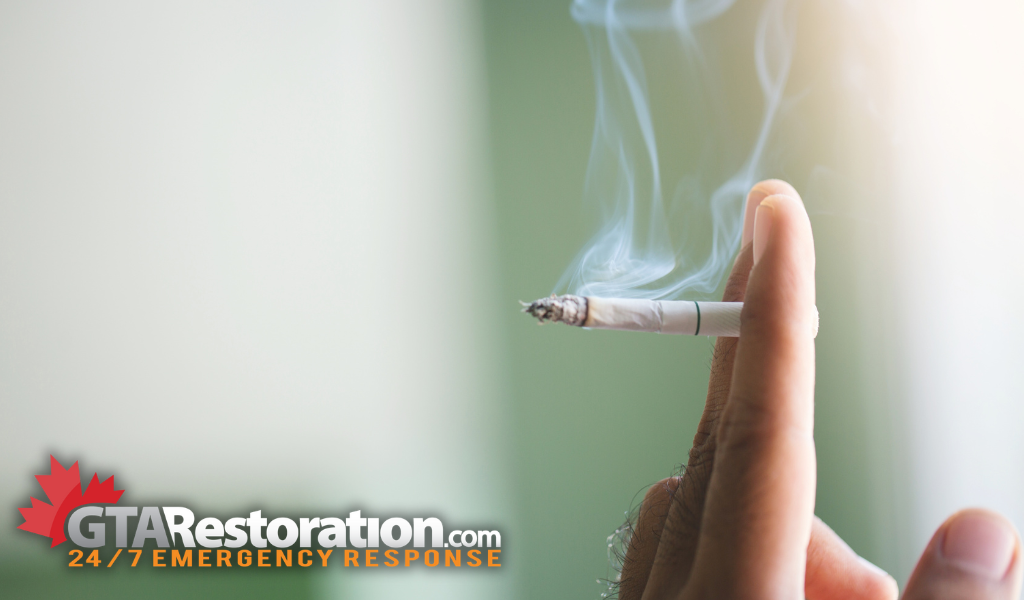
How to Get the Smoke Smell Out of Your House
Knowing how to get the smoke smell out of your house starts with finding the source and addressing the residue it leaves behind. Cigarette smoke, burnt food, outdoor smoke, and building fires can require different cleaning approaches. Therefore, this guide explains how to assess the problem, clean suitable materials, and recognise when professional help is appropriate.
GTA Restoration provides smoke damage cleanup and odour removal services throughout Toronto and the GTA. From surface cleaning to affected-content assessment, the work depends on the source, materials, and extent of contamination.
Safety first: If there is active smoke, a suspected fire, or a sounding carbon monoxide alarm, leave the building and call 911. After a fire, wait for permission to re-enter and arrange any necessary safety inspections before starting cleanup.
Key Takeaways
- Find the source: Assess visible smoke damage and identify affected rooms, surfaces, and belongings.
- Clean before deodorizing: Remove smoke residue using methods suitable for each material. Ventilation and filtration can support this work, but they do not replace cleaning.
- Get help when necessary: Extensive soot, persistent smells, or contaminated building materials may require professional odour removal.
Assessing the Smoke Damage
First, establish whether the smell comes from occasional cooking smoke, ongoing cigarette use, outdoor smoke, or a property fire. The source helps determine the appropriate smoke damage restoration approach.
From safe, accessible areas, look for residue on walls, ceilings, flooring, furniture, and other belongings. However, do not open electrical equipment or attempt to assess structural safety yourself. Fire-damaged wiring, appliances, and building components require qualified inspection.
Photograph visible smoke damage and keep notes about affected items. These records may be useful when discussing the loss with your contractor or seeking information about insurance claim assessment.
In homes with repeated indoor smoking, residue can remain on surfaces and furnishings. Consequently, cleaning cigarette smoke off walls may be only one part of the work.
Improve Air Circulation When Conditions Allow
Fresh-air ventilation can help when the outdoor air is cleaner and the building is safe to occupy. For example, opening windows may help clear lingering indoor smoke after a minor cooking incident has ended.
However, keep windows and doors closed when wildfire smoke or another outdoor smoke source affects your neighbourhood. Follow Health Canada’s guidance on indoor air during smoke events rather than automatically opening the house.
In addition, avoid directing fans at loose soot or ash. Air movement can disturb deposits and spread contamination. Ordinary circulating fans and bathroom ventilation fans do not replace appropriate residue removal.
Clean Smoke Residue from Hard Surfaces
Once the area is safe, identify which surfaces can tolerate washing. For light residue on washable finishes, use a suitable cleaner according to its label and the surface manufacturer’s instructions. First, test a small, hidden area for damage or discolouration.
Then, work in manageable sections and change cleaning cloths or water as they become dirty. Avoid soaking drywall, wood, electrical fixtures, or other moisture-sensitive materials. Heavy fire soot may require specialist removal before wet cleaning.
Never mix bleach with vinegar, ammonia, or other cleaners. Likewise, do not combine trisodium phosphate with household products unless the manufacturer’s directions specifically permit it. Follow the product’s ventilation and protective-equipment instructions.
For additional safety information, review the CDC’s guidance on using bleach safely. Stronger chemicals do not automatically provide better smoke-odour removal.
Clean and Deodorize Soft Items
Curtains, bedding, clothing, cushions, and upholstery can retain smoke residue. Therefore, check care labels before deciding whether to wash, dry-clean, professionally treat, or replace an item.
Wash suitable textiles with the recommended detergent and settings. Afterward, dry them thoroughly and reassess their condition. Do not use fire-affected laundry appliances until a qualified professional confirms they are safe.
For upholstered furniture, delicate fabrics, or heavily contaminated belongings, seek specialist advice. Fragranced sprays may cover an odour without removing the residue responsible for it.

Deep Clean Carpets and Rugs
Carpets, rugs, and underlay can retain smoke residue, which makes smoke odour removal more challenging. Before cleaning, consider the fibre, backing, contamination, and manufacturer’s care instructions.
If loose soot or ash is present, avoid aggressive brushing or ordinary vacuuming that could spread particles. Instead, arrange appropriate residue removal and carpet cleaning based on the material.
Wet cleaning is not suitable for every rug or condition. In addition, heavily affected underlay or other porous materials may require replacement rather than repeated deodorizing.
Inspect HVAC Systems and Air Ducts
Heating, ventilation, and air-conditioning systems may need attention after smoke exposure. If the system suffered fire or heat damage, arrange a qualified inspection before using it.
Replace filters according to the equipment instructions and their condition. After a significant smoke event, they may need attention sooner than the usual maintenance interval. However, use only a filter type that the system can accommodate.
Professional smoke removal may include an HVAC assessment when contamination is suspected. Duct cleaning should depend on inspection findings, not simply the presence of a smell elsewhere in the house.
Do not spray fragrances, disinfectants, or sealants into ductwork to hide odours. The EPA’s guidance on duct cleaning explains why cleaning and chemical treatments require case-by-case consideration.
Understand the Limits of Natural Deodorizers
Bowls of vinegar, coffee grounds, or baking soda are not substitutes for removing smoke residue. Likewise, a more pleasant smell does not establish that contamination has been removed.
Activated-carbon products may help with certain odours, but their performance depends on the amount of carbon and how air contacts it. Therefore, prioritise cleaning and source removal rather than relying on bowls or sachets for whole-house odour removal.
Choose Appropriate Air Filtration
Air cleaners can supplement cleaning and improve indoor air quality. However, different filters address different pollutants: HEPA filters capture airborne particles, while substantial activated-carbon filters can reduce some gases associated with odours.
Choose equipment suitable for the room size and follow its operating instructions. Maintain filters as directed, and remember that air filtration does not remove residue from walls, furnishings, or carpets.
The EPA’s guide to air cleaners explains these differences. It also recommends avoiding devices that intentionally generate ozone.
When to Use Professional Smoke Cleaning Services
Extensive smoke damage may require more than routine household cleaning. For example, persistent odours, heavy soot, affected HVAC components, or contamination inside porous materials justify a closer assessment.
GTA Restoration provides professional odour removal services throughout Toronto and the GTA. Depending on the findings, the work may involve source removal, cleaning, contents treatment, air filtration, and repairs.
For fire-affected belongings, the Canadian Red Cross home fire recovery guide (PDF) also provides information about cleanup and seeking professional assistance.
Prevent Future Smoke Odours
The most effective starting point is to stop smoke entering or forming inside the home. Establish a smoke-free indoor environment, and keep outdoor smoking away from doors, windows, and ventilation intakes.
For cooking, use appropriate kitchen exhaust ventilation and address recurring smoke from appliances. In addition, arrange maintenance when a fireplace, stove, or heating appliance produces unusual smoke or smells.
Regular cleaning and filter maintenance can support odour control. However, neither ventilation nor air cleaners make continued indoor smoking safe.
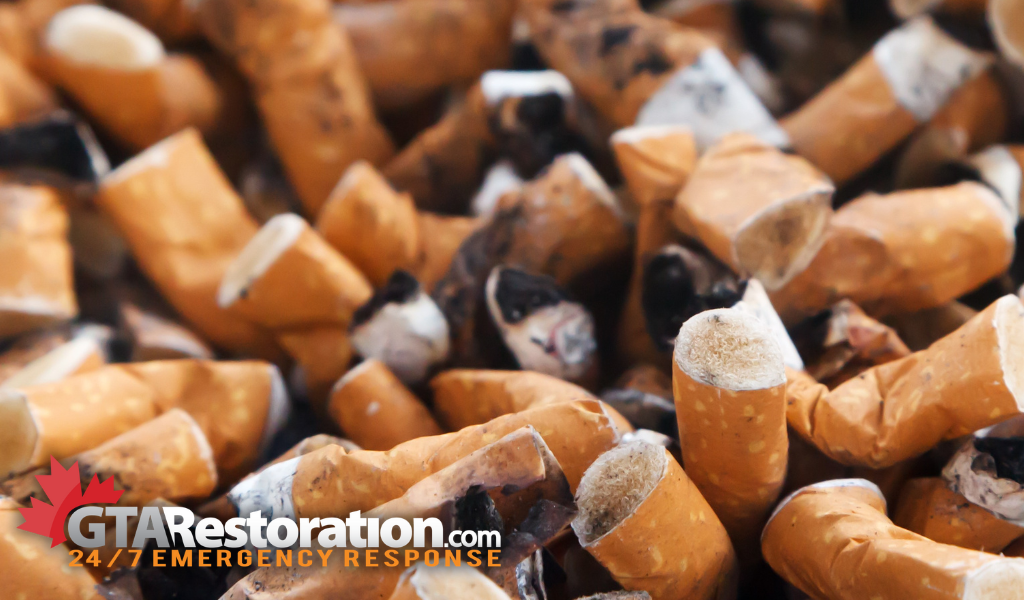
Summary: How to Get the Smoke Smell Out of Your House
Learning how to get the smoke smell out of your house means addressing the source, not simply covering the smell. First, establish whether the building is safe. Then, clean suitable surfaces and belongings, assess affected equipment, and use filtration where appropriate.
Finally, seek professional help when soot is extensive or odours persist. The necessary work depends on the smoke source, exposure, and materials involved.
Frequently Asked Questions
Can I remove smoke odour naturally?
For a minor incident, suitable surface cleaning and ventilation with clean outdoor air may help. However, bowls of household products do not replace residue removal or address extensive smoke contamination.
What should I do if the smell persists after cleaning?
Arrange an assessment of affected surfaces, contents, and ventilation components. Persistent smells may indicate that some residue remains or that smoke continues entering the property.
How often should I change HVAC filters after smoke exposure?
Follow the manufacturer’s instructions and inspect the filter after significant exposure. Replace it sooner if it becomes heavily soiled or clogged; a fixed three-month schedule is not suitable for every situation.
Can air purifiers remove smoke smells?
HEPA filtration reduces airborne particles, while activated carbon can help with some odour-related gases. Nevertheless, neither filter replaces cleaning contaminated surfaces or removing the smoke source.
What cleaner should I use on smoke-affected surfaces?
Choose a product compatible with the material and follow its label. Test a hidden area first, and never mix cleaning chemicals. Heavy soot or delicate finishes may require specialist cleaning.
Need Help with Persistent Smoke Odours?
Contact GTA Restoration for smoke damage cleanup and odour removal in Toronto and the GTA.
Call 416-800-0000 to discuss the affected property.
Related Restoration Services
Specialty Drying | Mold Remediation in Toronto | Emergency Flood and Water Damage Cleanup
More Property Care and Air Quality Resources
Mold Growth Timeline | Mold Prevention for Toronto Homeowners | Dealing with Carpet Water Damage | Mold in Air Ducts | Mold Inspection and Air Quality | Air Quality Test Results
Other Cleanup Topics and Locations
Sewer Backup Cleaning | Garage Cleaning | Vancouver Odour Removal | Fort Saskatchewan Mold Removal | Disaster Restoration Overview
How to Get the Smoke Smell Out of Your House
Are you struggling with a lingering smoke smell in your house? This guide on how to get the smoke smell out of your house will help you tackle it. Learn how to assess smoke damage, boost air circulation, clean affected surfaces, and neutralize odors effectively.
Key Takeaways
- To understand the extent of the issue, start by assessing smoke damage throughout your home, including walls, HVAC systems, and personal items.
- To eliminate smoke odors, improve air circulation by opening windows and using fans, and clean hard surfaces with vinegar or bleach solutions.
- For stubborn smells, deep-clean, soft items, and carpets, consider natural deodorizers or hire professionals for extensive damage to ensure thorough odor removal.
Assessing the Smoke Damage
Before addressing the smoke smell, it is necessary to understand the extent of smoke damage in your home. Conduct a thorough visual inspection, looking for stains and soot on walls, ceilings, and other hard surfaces. Check your HVAC system since smoke particles can contaminate air filters and ducts, spreading harmful particles throughout your home. Examine electrical systems for discoloration or damage to outlets and wiring.
Evaluate your home’s structural integrity, mainly if the smoke damage is significant. Look for signs of warping or corrosion. Document all evidence with photos to assist in insurance claims and recovery.
Don’t overlook personal items and household surfaces. Smoke odors and cigarette smells can permeate materials like furniture and electronics, including those that may have been exposed to cigarette smoke and lingering smells. Wear protective gear such as gloves and sturdy shoes while inspecting and cleaning these areas.
Improve Air Circulation
After assessing the damage, improve air circulation in your home. Open all windows and doors to let fresh air flow in and push smoky air out. Fans can help disperse smoke particles more quickly. Place a fan at an open door to push smoke-laden air outside, creating a positive pressure environment.
Keep all the windows open while using ceiling fans and circulating fans to ensure continuous ventilation. This helps not only to remove smoke odor but also to improve overall air quality. Good air circulation is crucial for eliminating smoke.
Clean Hard Surfaces
With improved air circulation, tackle the hard surfaces in your home. A mixture of vinegar and warm water works well for neutralizing smoke smells on hard surfaces. Consistent cleaning with vinegar or bleach solutions can inhibit odor buildup. For a deeper clean, use tri-sodium phosphate mixed with a household cleaner to clean smoke-affected surfaces effectively.
When washing walls, start from the floor upwards to avoid streaking. Spot test surfaces with cleaning solutions to check for discoloration before full application. This systematic approach ensures all hard surfaces are thoroughly cleaned and free of smoke odors.
Deodorize Soft Items
Soft items like curtains, pillows, and upholstery can trap smoke odors and need special attention. Wash these items, adding one cup of baking soda to enhance the cleaning process. Including white vinegar in the wash cycle can neutralize smoke odors. For fabrics that can’t be washed, use deodorizing sprays to alter the chemical structure of smoke odors, making them undetectable.
If stubborn odors remain, consider hiring professional cleaning services to treat these soft items. A soft-bristled brush can help work baking soda into upholstery for better odor absorption. Let the baking soda sit on fabrics for 4 to 8 hours to absorb smoke odors effectively.
Deep Clean Carpets and Rugs
Carpets and rugs can be particularly challenging for smoke odor removal. Sprinkle baking soda liberally on the carpet and let it sit for at least eight hours to absorb odors. Then, vacuum thoroughly to remove the baking soda and any absorbed smoke particles.
Rent a steam cleaner or hire a professional carpet cleaning company for a more thorough clean. Steam cleaning can remove tars and oils trapped in carpets, often the source of persistent smoke smells. Dispose of the vacuum bag after cleaning to prevent residual odors from lingering.
Clean HVAC Systems and Air Ducts
Your HVAC system can harbor smoke particles, so cleaning it is necessary. Check the air ducts for blockages or dust and remove them. If contamination is found in the ductwork, it must be cleaned to prevent lingering odors.
Special odor-removing filters with neutralizing charcoal can help remove smoke odors from your HVAC system. Regularly changing air filters can improve air quality and assist in removing smoke particles to get rid of smoke.
Applying a duct sealer can help to seal in any residual odors, ensuring that your home remains fresh and smoke-free.
Use Natural Deodorizers
Natural deodorizers such as vinegar, coffee grounds, and activated charcoal can effectively absorb lingering smoke smells. Place bowls of distilled white vinegar around the house to absorb smoke odors. Coffee grounds can also work well when placed in bowls throughout your home.
Activated charcoal is another powerful odor absorber and can be used in bags or bowls around the house. Regularly replacing these natural deodorizers will enhance their effectiveness in neutralizing smells.
Invest in Air Purifiers
Investing in an air purifier can significantly improve overall air quality and reduce smoke particles in your home. Industrial-grade air purifiers equipped with HEPA filters are recommended for the best results as they can capture smoke particles and help remove smoke odors.
Regularly replacing the air filters in your air purifier ensures effective smoke particle capture. Using air purifiers with HEPA filters can significantly reduce airborne smoke particles and improve air quality in your home.
Professional Cleaning Services
In cases of extensive smoke damage, consulting a professional cleaning service is necessary. Professionals offer immediate smoke odor removal services that can effectively tackle persistent odors and apply odor neutralizers to carpets and other materials.
Professional cleaning services can handle delicate materials like silk carpets and leather upholstery, ensuring all items are thoroughly cleaned and free of smoke odors. Using specialized equipment such as steam deodorizers or ozone generators, professionals can ensure your home is deep cleaned and rid of smoke odors.
Prevent Future Smoke Odors
Preventing future smoke odors is just as important as removing existing ones. Regularly changing HVAC filters helps prevent the accumulation of smoke odors. Ventilating the house by opening windows or using exhaust fans can help disperse smoke odors quickly.
Using air purifiers with HEPA filters can capture smoke particles and improve air quality. Regular cleaning routines will significantly reduce the chances of smoke odors settling in your home. These preventive measures will ensure your home remains fresh and free of smoke smells.
Summary
In summary, removing smoke odors from your home involves a series of systematic steps: assessing the damage, improving air circulation, cleaning surfaces, and using natural and professional methods to eliminate odors. By following these steps, you can effectively get rid of smoke and prevent future occurrences.
Remember, a fresh and clean home is within reach. Take action today and enjoy the comfort of a smoke-free environment.
Frequently Asked Questions
How can I remove smoke odor from my home naturally?
To remove smoke odor naturally, try using deodorizers like vinegar, coffee grounds, or activated charcoal to absorb the scent. They’ll do wonders in freshening up your space!
What should I do if the smoke smell persists after cleaning?
If the smoke smell still lingers after your cleaning efforts, it might be time to hire a professional cleaning service that specializes in odor removal. They have the right tools and techniques to tackle stubborn smells effectively.
How often should I change my HVAC filters to prevent smoke odors?
To keep smoke odors at bay, make sure to change your HVAC filters at least every three months. Regular maintenance will make a noticeable difference!
Can air purifiers help with smoke odors?
Absolutely, air purifiers with HEPA filters are great at tackling smoke odors by reducing airborne particles. They can really help make your space feel fresher and cleaner.
What is the best cleaning solution for smoke-damaged hard surfaces?
For cleaning smoke-damaged hard surfaces, a mix of vinegar and warm water or tri-sodium phosphate with a household cleaner works wonders. Give it a try, and you’ll notice the difference!
Smoke Smell Emergency?
Call Today!
1-800-506-6048
Learn more ↴
Why Does Basement Smell Musty? Find the Cause | How to Remove the Musty Smell from Your Basement | How to Remove Smoke Odour Fast | Fire Restoration Toronto For non-emergencies use our contact form
How to Get the Smoke Smell Out: A Practical Cleanup Plan
Understanding how to get the smoke smell out means choosing an approach that matches the source and affected materials. A minor cooking incident differs from years of indoor smoking or a property fire. Therefore, start with an assessment rather than applying the same treatment throughout the house.
Cleaning, suitable ventilation, and filtration can work together. However, none of these steps should replace safety checks after a fire or the removal of contaminated materials that cannot be restored.
7 Steps for Addressing Smoke Odours
1. Identify and Stop the Source
First, determine whether smoke comes from indoor smoking, cooking, an appliance, outdoor conditions, or previous fire damage. Ongoing smoke exposure can undo cleaning efforts, so address the source before concentrating on the remaining smell.
2. Ventilate Only When Outdoor Air Is Cleaner
Fresh air can help clear lingering indoor pollutants when conditions allow. However, opening windows during an outdoor smoke event can make indoor conditions worse. Follow local air-quality advice and avoid blowing fans across loose soot or ash.
3. Clean Washable Fabrics and Assess Upholstery
Check the care labels on curtains, bedding, clothing, and removable covers. Then, wash suitable items and dry them thoroughly. Delicate upholstery or heavily smoke-affected furnishings may need specialist cleaning or replacement.
4. Remove Residue from Hard Surfaces
Walls, ceilings, windows, cabinets, and furniture may need cleaning with products suitable for their finishes. In addition, test a hidden area before treating a larger surface. Never mix bleach, vinegar, ammonia, or other cleaning chemicals.
5. Use the Right Air Filtration
HEPA filters capture airborne particles, while suitable activated-carbon filters can reduce some odour-related gases. Nevertheless, air cleaners do not remove residue from surfaces. Use filtration alongside source removal and cleaning.
6. Investigate Smells That Keep Returning
Persistent odours may come from remaining residue in carpets, underlay, upholstery, or other materials. Therefore, repeated fragrance treatments are not a substitute for finding the source. A professional assessment can help determine what needs further attention.
7. Check HVAC Equipment When Necessary
After significant smoke exposure, inspect filters and arrange professional assessment if the system may be affected. Duct cleaning should reflect actual findings. Avoid spraying sealants or deodorizing chemicals into ductwork without appropriate technical guidance.
Why Ozone Is Not a Household Cleaning Shortcut
Do not use an ozone generator as a do-it-yourself solution for smoke smells. Ozone can irritate and damage the lungs, and it does not safely remove every indoor pollutant. It may also react with indoor materials and create additional pollutants.
Instead, prioritise source removal, suitable cleaning, and non-ozone-producing filtration. The EPA’s guidance on ozone generators explains the health concerns and limitations.
Keep Your Home Free from New Smoke Sources
Preventing further exposure is an important part of learning how to get the smoke smell out of your house. Keep indoor spaces smoke-free, maintain cooking ventilation, and arrange servicing when combustion appliances produce unusual smoke or odours.
In addition, follow equipment instructions for filter maintenance. A fresher smell alone does not confirm that all contamination has been removed, especially after a building fire or prolonged indoor smoking.
Professional Smoke Odour Removal in Toronto and the GTA
If smoke smells remain after suitable cleaning, GTA Restoration can assess the property and discuss the next steps. Depending on the findings, work may include surface cleaning, contents treatment, affected-material removal, air filtration, or further restoration.
Rather than promising the same result for every property, the cleanup plan should reflect the smoke source, affected materials, and condition of the building.
Need help with smoke damage or persistent odours? Call GTA Restoration at 416-800-0000.
Service Areas Across Canada
GTA Restoration serves communities across Canada, including Toronto and the GTA. U.S. locations are opening. Browse our Canadian service areas below, and contact us to confirm services and availability for your address.
Search
- Air Duct Cleaning Montreal
- Ajax Asbestos Removal
- Ajax Mold Removal
- Ajax Water Damage
- Asbestos Removal Calgary
- Asbestos Removal Edmonton
- Asbestos Removal Fort Saskatchewan
- Asbestos Removal Gloucester
- Asbestos Removal Grimsby
- Asbestos Removal Hamilton
- Asbestos Removal Kanata
- Asbestos Removal Kitchener
- Asbestos Removal Laval
- Asbestos Removal Lincoln
- Asbestos Removal Montreal
- Asbestos Removal Nepean
- Asbestos Removal Niagara Falls
- Asbestos Removal Orleans
- Asbestos Removal Ottawa
- Asbestos Removal Sherwood Park
- Asbestos Removal Spruce Grove
- Asbestos Removal St Catharines
- Asbestos Removal St-Albert
- Asbestos Removal Thorold
- Asbestos Testing Hamilton
- Asbestos Testing Montreal
- Asbestos Testing Petersburg
- Aurora Mold Removal
- Aurora Water Damage
- Beaconsfield Asbestos Removal
- Brampton Asbestos Removal
- Brampton Mold Removal
- Brampton Water Damage
- Burlington Asbestos Removal
- Burlington Mold Removal
- Burlington Water Damage
- Burst Pipe Montreal Frozen Pipe
- Burst Pipe Repair Edmonton
- Burst Pipe Repair Ottawa
- Caledon Mold Removal
- Caledon Water Damage
- Calgary Mold Removal
- Calgary Water Damage
- Cambridge Mold Removal
- Cambridge Water Damage
- Clarington Mold Removal
- Concord Mold Removal
- Concord Water Damage
- Cooksville Mold Removal
- Edmonton Water Damage
- Emergency Roofing Vancouver
- Etobicoke Asbestos Removal
- Etobicoke Mold Removal
- Etobicoke Water Damage
- Fire Damage Grimsby
- Fire Damage Lincoln
- Fire Damage Niagara Falls
- Fire Restoration Fort McMurray
- Fire Damage Restoration Thorold
- Fire Damage St Catharines
- Flood Cleanup Grimsby
- Flood Cleanup Lincoln
- Flood Cleanup Niagara Falls
- Flood Cleanup St Catharines
- Flood Cleanup Thorold
- London Mold Removal
- London Water Damage
- Markham Asbestos Removal
- Markham Mold Removal
- Markham Water Damage
- Mississauga Asbestos Testing
- Mississauga Mold Removal
- Mississauga Water Damage
- Mold Inspection Removal Kitchener
- Mold Remediation Montreal
- Mold Removal & Inspection LaSalle
- Mold Removal Anjou
- Mold Removal Boucherville
- Mold Removal Brossard
- Mold Removal Burnaby
- Mold Removal Chambly
- Mold Removal Chateauguay
- Mold Removal Chomedey
- Mold Removal Coquitlam
- Mold Removal Dollard Des Ormeaux
- Mold Removal Dorval
- Mold Removal Edmonton
- Mold Removal Fort Saskatchewan
- Mold Removal Gloucester
- Mold Removal Grimsby
- Mold Removal Hamilton Inspection
- Mold Removal Ile Bizard
- Mold Removal in Osgoode
- Mold Removal Beaconsfield
- Mold Removal Kahnawake
- Mold Removal Kanata
- Mold Removal Kirkland
- Mold Removal Laval
- Mold Removal Lincoln
- Mold Removal Longueuil
- Mold Removal Montreal East
- Mold Removal Mount Royal
- Mold Removal Nepean
- Mold Removal New Westminster
- Mold Removal Niagara Falls
- Mold Removal Orleans
- Mold Removal Ottawa
- Mold Removal Cumberland
- Mold Remediation Hampstead
- Mold Removal Remediation Roxboro
- Mold Removal Richmond BC
- Mold Removal Rideau Lakes
- Mold Removal Rockcliffe Park
- Mold Removal Saint Hubert
- Mold Removal Saint Laurent
- Mold Removal Sherwood Park
- Mold Removal Spruce Grove
- Mold Removal St Catharines
- Mold Removal Ste Dorothee
- Mold Removal St۔ Albert
- Mold Removal Surrey
- Mold Removal Thorold
- Mold Removal Vancouver
- Mold Removal Vanier
- Mold Removal Westmount
- Montreal Biohazard Cleanup
- Montreal Emergency Plumber
- Montreal Fire Restoration
- Montreal Flood Cleanup
- Montreal Odor Removal
- Montreal Roofing Emergency
- Montreal Sewer Backup Cleanup
- Montreal Water Leak Detection
- Montréal Asbestos Removal
- Montréal Emergency Plumbing
- Montréal Mold Removal
- Montréal Pipe Burst Emergency
- Montréal Water Damage
- Newmarket Mold Removal
- Newmarket Water Damage
- North York Mold Removal
- Oakville Mold Removal
- Oakville Water Damage
- Oshawa Mold Removal
- Oshawa Water Damage
- Ottawa Air Duct Cleaning
- Pickering Mold Removal
- Pickering Water Damage
- Red Deer Water Damage
- RedDeer Mold Removal
- Richmond Hill Mold Removal
- Richmond Hill Water Damage
- Roof Repair Lincoln
- Roof Repair Niagara Falls
- Roof Repair St Catharines
- Scarborough Asbestos Removal
- Scarborough Mold Removal
- Scarborough Water Damage
- Sewage Cleanup Edmonton
- Sewer Backup Lincoln
- Sewer Backup Niagara Falls
- Sewer Backup Ottawa
- Sewer Backup St Catharines
- Thornhill Mold Removal
- Toronto & GTA Asbestos Removal
- Toronto & GTA Mold Removal
- Toronto Air Duct Cleaning
- Toronto Water Damage
- Unionville Mold Removal
- Unionville Water Damage
- Vancouver Asbestos Removal
- Vancouver Biohazard Cleanup
- Vancouver Emergency Plumber
- Vancouver Emergency Plumbing
- Vancouver Fire Restoration
- Vancouver Flood Cleanup
- Vancouver Mold Removal
- Vancouver Odor Removal
- Vancouver Pipe Burst Emergency
- Vancouver Sewer Backup Cleanup
- Vancouver Water Damage
- Vancouver Water Leak Detection
- Vaughan Mold Removal
- Vaughan Water Damage
- Vermiculite Removal Ottawa
- Water Damage Grimsby
- Water Damage Kanata
- Water Damage Kitchener
- Water Damage Lincoln
- Water Damage Longueuil
- Water Damage Nepean
- Water Damage Niagara Falls
- Water Damage Orleans
- Water Damage Ottawa
- Water Damage Repair Montreal
- Water Damage Laval Montreal
- Water Damage Restoration Thorold
- Sewage Backup Cleanup Montreal
- Water Damage St Catharines
- Water Damage Vancouver
- Water Flood Damage Repair Hamilton
- Flood Damage Repair Hampstead
- Whitby Water Damage
- Woodbridge Asbestos Removal
- Woodbridge Mold Removal
- Woodbridge Water Damage
- Restoration Equipment Rental
Smoke Smell Removal FAQs
Where should smoke odour treatment begin?
Start with an assessment of the source, affected surfaces and contents so the cleaning scope addresses where residue remains.
Will scented products solve the problem?
Fragrances may mask the smell but do not replace source removal and suitable cleaning.
Can fabrics retain smoke odours?
Yes. Discuss carpets, upholstery and other contents when planning treatment, including which items may need separate work.
How long will treatment take?
The affected materials, extent of residue and required repairs influence the schedule. Ask for a plan based on the inspection.
What if the smell returns?
Report where and when it returns so the team can investigate a remaining source or untreated material.
Learn more ↴ 
Latest Articles
Direct Billing & Insurance Claims
Ask your insurer about coverage, deductibles and the records it needs.

In-House Financing Available
Financing up to 24 months. No interest. No money down. Ask us about the terms.
Certifications & Insurance
View our firm certification, technician qualifications and insurance documents.

IICRC Certified Firm
GTA Restoration Inc.
Firm number 199912
Valid through

Business Insurance
GTA Restoration Group Inc.
$5 million general liability per occurrence
$8 million contractors pollution per claim
–
IICRC Technician Qualifications
Tony Sokol T. Lleshi · Registration 214520
Valid through
Water Damage Restoration · Fire & Smoke Damage Restoration · Applied Microbial Remediation · Odor Control · Trauma & Crime Scene
View technician verification (PDF) — opens in a new tabInsurance is subject to policy terms, conditions and exclusions.
 Facebook
 Instagram
 LinkedIn
 X / Twitter
 YouTube