A musty basement smell is rarely just an annoyance. If you are asking, “why does basement smell musty,” the air is usually signaling excess moisture somewhere below grade. That moisture may be hidden behind finished walls, under flooring, around a drain, or inside insulation. Finding the source early can prevent a minor odor issue from becoming mold growth, material damage, or a costly water-loss claim.
Basements are naturally more vulnerable than upper floors because they sit against damp soil, have limited airflow, and often contain plumbing, floor drains, and mechanical equipment. The goal is not to cover the smell with air freshener. The goal is to identify where moisture is entering or lingering, dry the affected area properly, and correct the condition that allowed it to happen.
Why Does a Basement Smell Musty?
A musty odor develops when moisture interacts with organic materials such as wood framing, drywall paper, carpeting, dust, stored cardboard, and insulation. Mold and mildew can produce microbial volatile organic compounds, which create the familiar earthy, stale smell. Visible mold is not always present. In many cases, the odor arrives before the staining does.
Humidity alone can also create the problem. Warm outdoor air entering a cool basement can condense on concrete walls, pipes, and floors. A basement that feels clammy in summer may have a moisture problem even if it has never visibly flooded.
The most common causes include:
- Slow foundation seepage or water entering through cracks, window wells, and wall-floor joints.
- A past flood, appliance leak, burst pipe, or sewer backup that was cleaned but not fully dried.
- Poor drainage outside the building, including clogged gutters, short downspouts, or grading that directs water toward the foundation.
- Plumbing leaks, failed sump pumps, damp crawlspaces, or a dry floor-drain trap allowing sewer gases to enter.
- High indoor humidity, inadequate ventilation, and porous contents such as carpeting, boxes, or upholstered furniture holding moisture.
More than one cause can exist at the same time. For example, a small foundation leak may wet insulation while high humidity keeps the wall cavity from drying. That is why odor treatment without moisture detection often fails.
The Difference Between Musty Odor, Mold, and Sewer Gas
A musty smell typically resembles damp soil, wet paper, old books, or a closed-up room. It often becomes stronger after rain, during humid weather, or when the basement has been shut for several days. This pattern points toward moisture and possible microbial growth.
Mold is a type of fungus that can grow on damp organic material. It may appear as black, green, white, gray, or brown spotting, but color alone cannot identify the species or the severity of the issue. Mold can also grow behind walls, beneath laminate flooring, under carpet padding, and inside HVAC components without being immediately visible.
Sewer gas is different. It is often described as rotten eggs, sulfur, sewage, or a sharp chemical odor. A dry floor drain, unused shower, sink, or laundry standpipe can allow odors from the drainage system into the room because its water seal has evaporated. Pouring water into an infrequently used drain may restore the trap seal, but recurring sewer odor, gurgling drains, slow drainage, or water around a floor drain requires prompt plumbing assessment.
If the smell is accompanied by sewage, wastewater, a toilet backup, or a flooded drain, keep people and pets away from the affected area. Sewage-contaminated water carries health risks and requires controlled cleanup, removal of contaminated porous materials when necessary, cleaning, disinfection, and professional drying.
Where Moisture Hides in a Basement
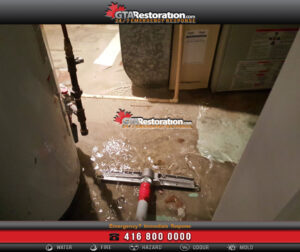
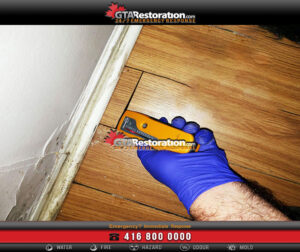
The obvious wet spot is not always the real source. Water can travel along framing, pipes, subflooring, and concrete before becoming visible somewhere else. A professional inspection looks beyond the surface with moisture meters, thermal imaging, and targeted testing to locate affected materials without opening more of the property than necessary.
Start by checking the areas most likely to trap water: along exterior walls, beneath windows, near the water heater and washing machine, around sump pits, behind stored items, and at the perimeter of finished rooms. Move boxes away from walls. Cardboard absorbs moisture quickly and can both feed mold growth and mask a developing leak.
Pay attention to timing. An odor that worsens after heavy rain can indicate exterior drainage or foundation water intrusion. One that appears after laundry, showers, or dishwasher use may point to a plumbing or drain issue. An odor that becomes worse with air conditioning may be tied to condensation, a blocked condensate line, or cold surfaces collecting moisture.
Condo owners and property managers should also consider shared building systems. Water can migrate from another unit, a common plumbing stack, a parking-level leak, or a failed building-envelope component. In multi-unit properties, documenting the odor, affected areas, and timing helps establish a clear response plan.
What You Can Do Right Away
If there is no active flooding or sewage, begin by reducing humidity and making the area easier to inspect. Run a properly sized dehumidifier, keep doors open where practical, and use fans only after the source of water has been stopped. A dehumidifier is useful for controlling ambient moisture, but it cannot dry a saturated wall cavity, soaked carpet pad, or wet insulation by itself.
Remove wet rugs, cardboard, fabrics, and other absorbent contents from the basement. Do not place them in another enclosed room where they can spread odor or moisture. Avoid painting over stained drywall, installing new flooring over a damp slab, or spraying fragrance products into the air. These actions conceal symptoms while the underlying material continues to deteriorate.
Check that gutters are clear and that downspouts discharge well away from the foundation. Ensure soil slopes away from the building rather than toward it. Test the sump pump if your property has one, especially before periods of significant rain. If the pump does not activate, cycles constantly, or has no backup power plan, address it before the next storm.
For an unused floor drain or fixture, carefully add water to restore the trap seal. If the odor persists or returns quickly, do not assume the issue is solved. A damaged trap, venting problem, drain blockage, or sewer-line concern may still be present.
When a Musty Basement Needs Professional Help
Call for professional inspection when the odor is persistent, returns after cleaning, appears after a known water event, or is paired with visible staining, peeling paint, warped flooring, condensation, or respiratory irritation. Fast action matters because wet building materials can support mold growth quickly, and hidden water damage can spread beyond the room where the smell is strongest.
Professional restoration is especially appropriate after a flooded basement, sewer backup, burst pipe, foundation seepage, or suspected mold behind finished walls. The work should begin with source control. Depending on the cause, that may mean emergency plumbing repair, leak detection, drain clearing, exterior drainage correction, or basement waterproofing.
The next step is controlled drying. Restoration crews use commercial dehumidification, air movement, moisture monitoring, and, when appropriate, containment and air filtration. Materials are evaluated rather than automatically removed. Some structural components can be dried and restored; heavily contaminated or deteriorated porous materials may need removal for safety and odor control.
For property owners managing an insurance claim, clear documentation also matters. Photos, moisture readings, affected-material records, and an itemized scope of work can help establish what happened and what was required to return the space to a safe, habitable condition. GTA Restoration provides 24/7 emergency response for water damage, mold concerns, sewage cleanup, plumbing emergencies, and basement recovery when the source cannot wait.
Prevent the Smell From Returning
A dry basement is a system, not a one-time cleanup. Keep humidity under control, avoid storing absorbent items directly against concrete walls, maintain drainage around the building, and inspect plumbing connections periodically. If your basement is finished, do not ignore minor odors simply because there is no visible water. Finished walls often hide the earliest evidence of intrusion.
After remediation, continue to watch for changes in odor after rain or high-humidity days. A basement should smell neutral and dry, not perfumed to hide a problem. Acting when the first musty smell appears gives you the best chance to protect the structure, preserve belongings, and keep a manageable moisture issue from becoming an emergency.