
Tags: Mold Inspection, Mold Testing,

For non-emergencies use our contact form


Emergency? 24-Hours
416-800-0000Property damage can affect a home, business or shared building. GTA Restoration serves communities across Canada, including Toronto and the GTA. We are opening locations in the United States. Contact us to confirm current services and availability for your address. We help assess the problem and plan the next steps. Tell us what happened, when it started and which areas are affected so we can discuss access and the scope of work.
Call for 24/7 restoration help. Describe any active leak, standing water or visible damage. Access, site conditions and crew availability affect the response.
Standing water needs a plan suited to its source and the affected materials. Share details about the depth, location and any known contamination.
Visible marks may not show the full extent of a leak. Moisture readings help identify areas that need closer inspection and follow-up.
Drying equipment must suit the room and materials. Progress checks help the team review the setup before repairs cover affected surfaces.
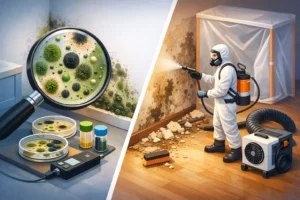
Report visible mold, musty smells and past leaks. Addressing the moisture source is an important part of planning cleanup and repairs.
Smoke, soot and firefighting water can affect different parts of a building. Discuss the affected areas before moving belongings or starting cleanup.
Sewage and other contamination need a site-specific approach. Keep people and pets away from affected areas while arranging an assessment.
Building access, tenants and operating hours matter. Our commercial restoration services help owners and managers plan work around site needs.
Explore restoration equipment rental and confirm the unit, power requirements, rental dates and operating instructions before booking.
Keep photos, dates and relevant receipts. Discuss the repair scope with the team; your insurer determines coverage under your policy.
Need help with property damage? Call GTA Restoration at 416-800-0000 to discuss your property and the next steps.
Service Areas Across Canada
GTA Restoration serves communities across Canada, including Toronto and the GTA. U.S. locations are opening. Browse our Canadian service areas below, and contact us to confirm services and availability for your address.
Search
GTA Restoration serves communities across Canada, including Toronto and the GTA. U.S. locations are opening. Tell us the property address so we can discuss the work needed and confirm current availability.
Describe what happened, when you noticed it and which rooms are affected. Mention any active leak or access restrictions. These details help us discuss the next step and confirm availability.
The water source, affected materials and moisture readings help guide the plan. Equipment needs can change as work progresses. Ask how the team will check conditions before repairs cover the affected area.
Coverage depends on your policy and the cause of the damage. Your insurer decides the claim. Keep photos, dates and receipts, and ask which records are needed before agreeing to the work.
Call the phone number shown on this page for 24/7 restoration help. Explain the problem and ask about availability. If there is immediate danger, contact emergency services and follow their directions.
Direct Billing & Insurance Claims
Ask your insurer about coverage, deductibles and the records it needs.

In-House Financing Available
Financing up to 24 months. No interest. No money down. Ask us about the terms.
Learn more ↴ 
RELATED ARTICLES





Call Us 416-800-0000
Emergency? 24/7 Restoration Help
We cover all GTA 24/7.
Head Office:
250 Consumers Rd,
#10
Toronto, ON
M2J 4V6,
Open 24 hours
Downtown Office:
1 Toronto St,
#10
Toronto, ON
M5W 1A1,
Open 24 hours
For non-emergencies use our contact form
Not sure what you need?
Call us today to find the best product for your situation.
Head Office:
101 Lebovic Ave,
Unit #10
Scarborough,
ON, M1L 4T7
Hours
24-Hours Open
Downtown Office:
250 Yonge Street,
Unit #1A
Toronto,
ON, M5B 2L7
Hours
24-Hours Open
Mold Air Test Review for Homes and Buildings
Get a quote today