...

Toronto Fire Restoration | Fire & Smoke Damage Cleanup

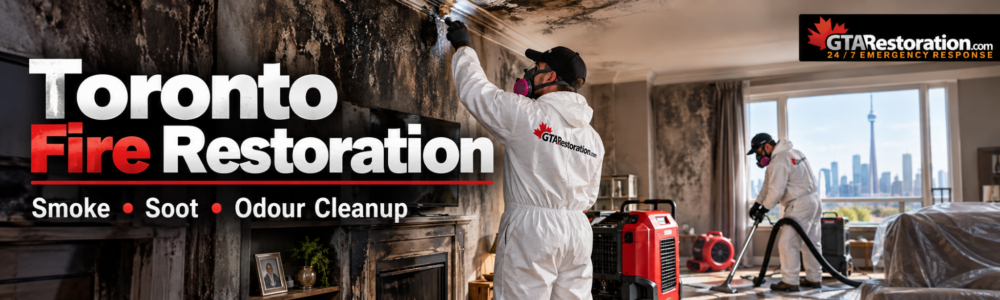
Toronto Fire Restoration

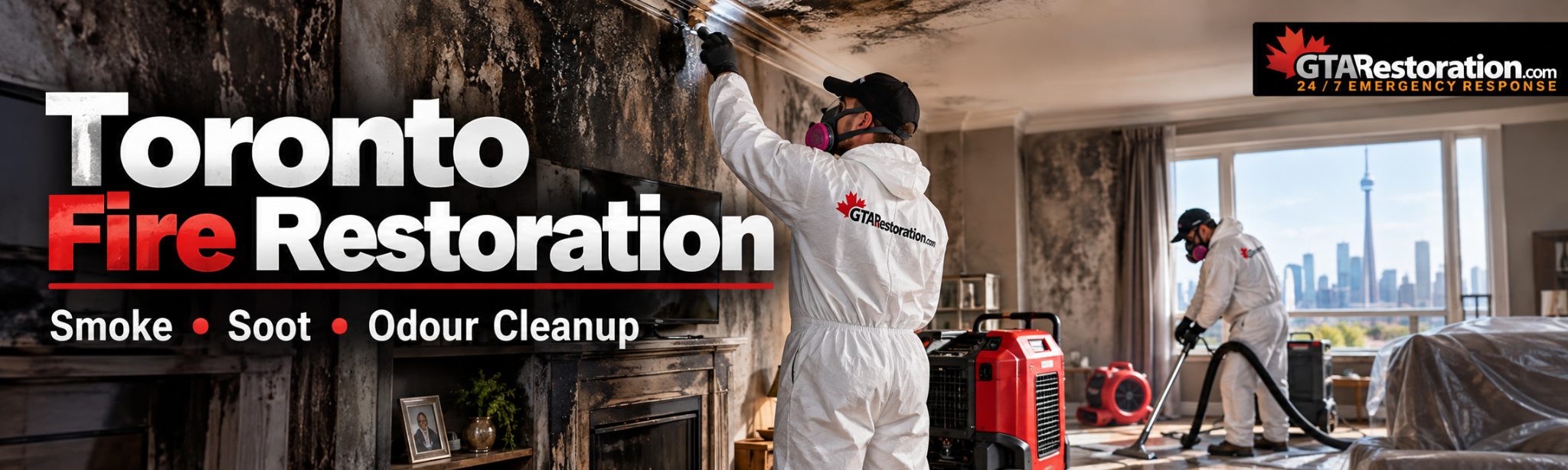
A property fire can leave damage far beyond the areas touched by flames. Toronto fire restoration often involves smoke, soot, heat, firefighting water, damaged building materials, contents, and persistent odours.

GTA Restoration provides fire restoration Toronto homeowners, businesses, condo managers, and property managers can use for fire damage assessment, smoke and soot cleanup, water removal, structural drying, odour treatment, contents handling, and restoration support.

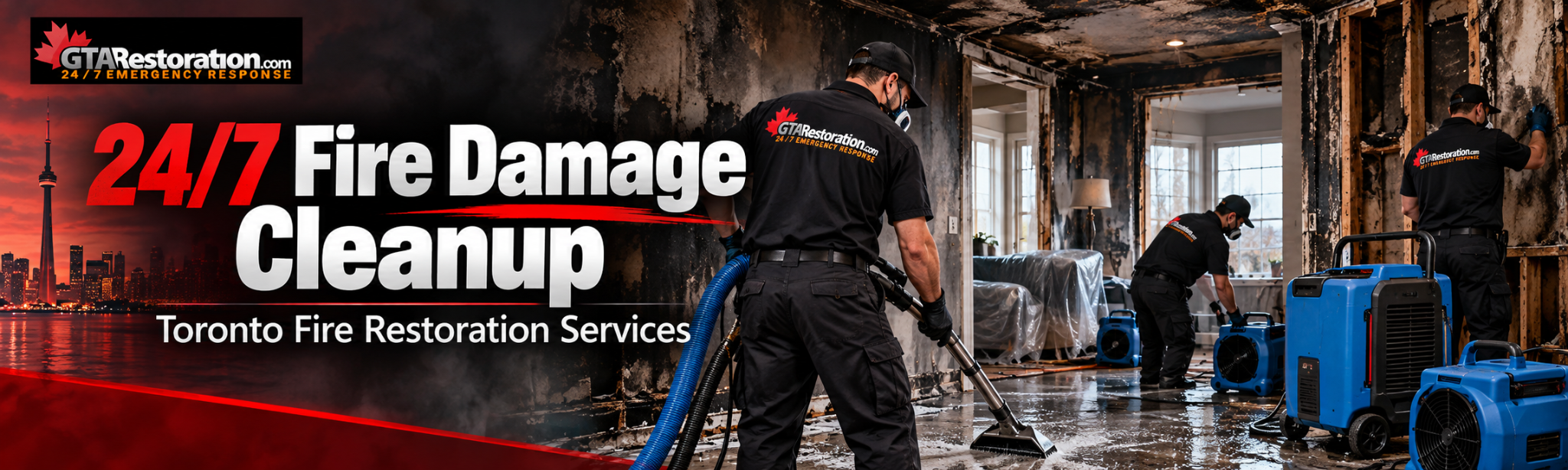
Toronto fire restoration and fire damage cleanup
Toronto Fire Restoration

What to Do After a Fire in Toronto

Wait for the appropriate authorities to permit entry before going inside a fire-damaged building. Heat and fire can damage floors, ceilings, walls, stairs, roofs, electrical systems, and other building components.

Once officials allow access, a restoration team can inspect the affected areas and identify immediate concerns. Photos and notes can also document visible fire, smoke, soot, and water damage before cleanup starts.

For an active fire or immediate danger, follow instructions from Toronto Fire Services and call 911 when necessary.

Fire Damage Assessment

Every fire creates different conditions. The location of the fire, materials that burned, heat exposure, smoke movement, firefighting efforts, and building construction all influence the restoration plan.

During a Toronto fire damage restoration assessment, technicians inspect visible fire damage together with smoke, soot, water, and moisture in nearby areas.

The inspection helps the team determine what needs cleaning, removal, drying, repair, or further professional review.

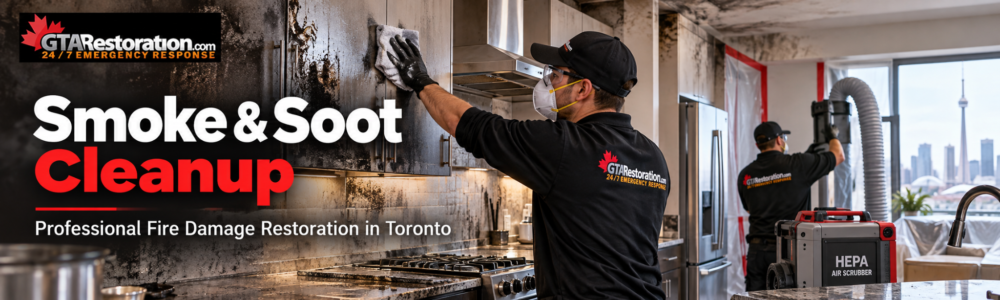
Smoke & Soot Cleanup

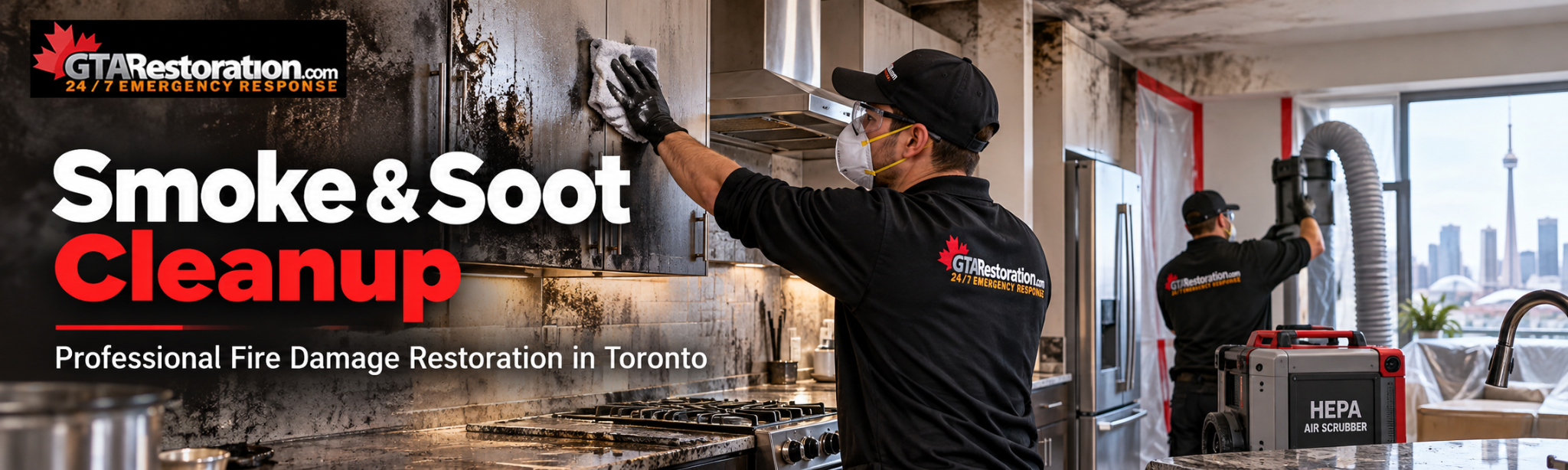
Smoke can move into rooms that flames never reached. Soot and other residues can settle on ceilings, walls, floors, furniture, fixtures, and contents throughout the property.

As a result, fire damage cleanup Toronto properties need can extend well beyond the room where the fire began.

Technicians select cleaning methods based on the type of residue, surface, and level of damage. Testing a suitable cleaning method can also help determine whether crews can clean a material successfully.

Smoke Damage Restoration Toronto

Residue from a fire can travel through doorways, stairwells, corridors, wall openings, and other paths inside a building.

Smoke damage restoration Toronto can include surface cleaning, contents assessment, particle control, air filtration, and odour treatment based on the conditions found.

Technicians can also inspect hidden areas when evidence shows that smoke travelled beyond the visible fire zone.

Smoke Odour Removal After a Fire

Porous materials, contents, wall cavities, flooring, and other areas can continue holding smoke smells after the flames are gone.

Effective odour treatment starts with removing burned material and cleaning soot and smoke residue instead of simply covering the smell.

For persistent odour problems, see our Toronto odor removal service.

Water Damage After Firefighting

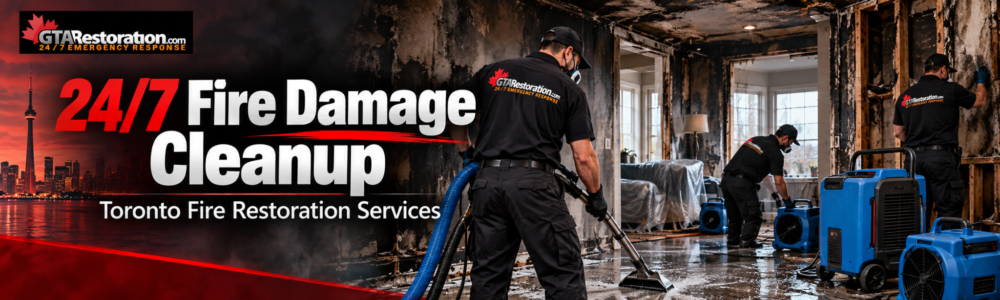
Fire suppression can leave a large amount of water inside a property. Floors, drywall, insulation, wood framing, ceilings, cabinets, and contents can all become wet.

Therefore, a Toronto fire restoration project can also include water extraction and moisture checks before crews begin structural drying.

For larger water losses, our water damage restoration team can support the fire recovery process.

Structural Drying After a Fire

Building materials can remain wet after crews remove the standing water. Moisture meters and other inspection tools help technicians locate damp areas and track drying progress.

Depending on the conditions, crews can use dehumidifiers and air movement after they complete the required inspection and cleanup steps.

Difficult building assemblies or larger moisture problems may also need specialty drying.

Removing Fire-Damaged Materials

Heavy charring, heat, smoke, or physical damage can make some building materials unsuitable for cleaning or repair.

When removal makes sense, crews can separate badly damaged materials from components that remain suitable for cleaning or restoration.

The actual site conditions should determine the scope rather than the material’s distance from the original fire.

Contents After Fire & Smoke Damage

Furniture, clothing, electronics, documents, artwork, household items, and business contents can suffer damage from smoke, soot, heat, or water.

During fire restoration, crews can document and separate belongings according to their condition and the type of damage involved.

Items suitable for cleaning or further restoration can then follow a different process from heavily damaged contents.

fire and smoke damage restoration Toronto
Fire and Smoke Damage Restoration Toronto

Hidden Fire & Smoke Damage

Visible damage does not always show the complete path of a fire loss. Smoke and heat can enter concealed spaces, while firefighting water may move beneath flooring or into walls and ceilings.

For this reason, technicians often inspect surrounding areas when site conditions suggest that smoke or water travelled farther.

Finding hidden damage early helps the restoration team develop a more complete scope of work.

HVAC Systems After Smoke Damage

Heating, cooling, and ventilation equipment can collect smoke or soot when a fire affects the system or nearby areas.

However, not every fire requires the same HVAC treatment. Technicians should consider the system layout, fire location, and evidence of smoke contamination.

An inspection can determine whether components need cleaning, specialized service, or additional evaluation.

Older Buildings & Hazardous Materials

Older fire-damaged properties can contain building materials that need special precautions before demolition or repair begins.

Before crews disturb a suspect material, an appropriate assessment or testing can determine whether hazardous-material controls apply.

If asbestos is a concern, see our Toronto asbestos removal service for more information.

Structural Damage After a Fire

Heat and flames can affect framing, roofs, floors, walls, stairs, and other structural parts of a building.

Safety comes first, so qualified professionals should evaluate serious structural damage before repair work moves ahead.

Site conditions determine whether the project needs cleaning, material removal, temporary stabilization, engineering review, repair, or reconstruction.

Building Permits After Fire Damage in Toronto

The City of Toronto requires building permits for certain fire-damage repairs and reconstruction projects. The extent and type of repair determine which approvals apply.

For larger losses, the permit process can involve drawings, engineering information, and other project documents.

Property owners can review the City’s fire damage building permit guidance before reconstruction starts.

Residential Fire Restoration Toronto

House fires can affect kitchens, bedrooms, garages, basements, attics, living areas, and other parts of a home.

Residential fire restoration Toronto can combine debris removal, soot cleaning, smoke treatment, water extraction, structural drying, contents handling, and repair planning.

An inspection of the actual property damage should guide the scope of work.

Condo Fire Damage Restoration

A condo fire can affect individual units, hallways, common areas, mechanical systems, and neighbouring suites through smoke or firefighting water.

Because several parties may take part, the restoration team may need to coordinate with residents, property managers, contractors, and building representatives.

Clear records can help everyone understand which areas need cleanup, drying, or repair.

Commercial Fire Restoration Toronto

Businesses such as offices, retail stores, restaurants, warehouses, and industrial properties can face fire, smoke, soot, and water damage at the same time.

For larger commercial losses, fire restoration in Toronto may involve phased cleanup, access planning, contents movement, structural drying, and coordination with staff or tenants.

A site-specific plan can help organize the work around the property’s layout and normal operations.

Documenting Fire Damage

Photos, videos, inspection notes, moisture readings, inventories, contractor reports, and other records can document property conditions following a fire.

Good documentation also creates a clearer record of materials and contents that crews cleaned, removed, dried, repaired, or replaced.

The insurance company determines coverage according to the policy and circumstances of the fire. Restoration contractors can document their work but do not make coverage decisions.

Rebuilding After Fire Damage

After cleanup, removal, and drying, repair work can address drywall, insulation, flooring, ceilings, trim, paint, and other damaged finishes.

More extensive fires can require structural repairs or reconstruction involving additional contractors, permits, engineers, or other professionals.

A repair plan based on confirmed damage helps focus reconstruction on the areas that actually need work.

Smoke Alarms & Fire Safety in Toronto

Working smoke alarms play an important role in residential fire safety. Toronto Fire Services advises residents to install working smoke alarms on every storey and outside sleeping areas.

After restoration, property owners should confirm that required alarms and other fire-safety devices work properly.

Current safety information is available through Toronto Fire Services smoke alarm guidance.

Toronto Fire Restoration Services

GTA Restoration provides Toronto fire restoration for homes, condos, rental properties, commercial buildings, and managed properties affected by fire, smoke, soot, odours, and firefighting water.

Our team can inspect affected areas, clean smoke and soot residue, remove damaged materials when needed, address water and moisture, handle affected contents, treat persistent odours, and coordinate the next stages of property restoration.


Need Fire Restoration in Toronto?

Call GTA Restoration Today!

Learn more ↴

Fire Damage Restoration | Vancouver Fire Restoration | Restoration Service Near Me | Montreal Fire Restoration | Commercial Fire Damage

Emergency? Immediate response 24/7

416.800.0000 416.800.0000

For non-emergencies use our contact form

Fire & Smoke Damage Restoration in Toronto

A property fire can leave several types of damage at the same time. Flames, smoke, soot, heat, firefighting water, and damaged contents may all require attention. Therefore, fire restoration should begin with a clear assessment of the affected areas.

Fire Damage Assessment

Each fire creates different conditions depending on what burned, where the fire occurred, and how far smoke or water travelled. First, an inspection helps identify areas that require cleaning, removal, drying, or further evaluation.

Smoke & Soot Cleanup

Smoke and soot can settle on surfaces beyond the immediate fire area. As a result, cleanup may include walls, ceilings, floors, fixtures, furniture, and other materials throughout the affected property.

Smoke Odour Treatment

Persistent smoke smells often come from residue or materials affected by the fire. Therefore, removing and cleaning the source is an important step before additional odour treatment begins.

Firefighting Water Damage

Water used to control a fire can soak flooring, walls, ceilings, insulation, wood, and contents. After extraction, moisture checks help determine where structural drying may still be required.

Fire-Damaged Materials

Heavily burned or damaged materials may require removal, while other surfaces may be suitable for cleaning or repair. For this reason, the restoration scope should reflect actual site conditions.

Contents After a Fire

Smoke, soot, heat, and water can affect furniture, clothing, electronics, documents, and other belongings. During restoration, contents can be documented and separated according to their condition.

Hidden Fire & Smoke Damage

Smoke can move into nearby rooms and concealed spaces, while firefighting water may travel underneath flooring or inside wall assemblies. Consequently, surrounding areas may also require inspection.

Residential & Condo Fires

Homes and condos may require coordination between residents, property managers, restoration crews, and other contractors. In addition, shared areas can require attention when smoke or water moves beyond the original unit.

Commercial Fire Restoration

Commercial fire losses can affect operations, tenants, inventory, equipment, and building finishes. Therefore, the restoration plan may include phased cleanup, contents handling, drying, and repair coordination.

Toronto Fire Restoration

GTA Restoration provides Toronto fire restoration for residential and commercial properties affected by fire, smoke, soot, odours, and firefighting water. Our team can assess the damage and organize cleanup, drying, material removal, and restoration work based on property conditions.


Need Fire Restoration in Toronto?

Call GTA Restoration Today!


GTA Service Centre


Toronto Fire Restoration FAQs

What should I do first after a property fire?

Do not enter a fire-damaged property until the appropriate authorities permit access, and arrange an assessment before cleanup or repairs begin.

Which areas can smoke damage affect?

Smoke and soot can move beyond the fire area and settle on walls, ceilings, floors, contents, fixtures, and other surfaces.

Why is water damage common after a fire?

Water used during firefighting can soak building materials and contents, which may require extraction, moisture checks, and structural drying.

Can smoke odours remain after cleanup?

Smoke odours may remain when residue or affected materials are still present, so treatment should address the source of the smell.

How are fire-damaged contents handled?

Contents can be documented and separated according to their condition and whether they require cleaning, further assessment, or replacement.

Does fire damage require a Toronto building permit?

Some fire-damage repairs require a building permit, depending on the extent of damage and the reconstruction work being completed.

Toronto fire restoration from GTA Restoration

GTA Restoration provides Toronto fire restoration for fire, smoke, soot, odour, firefighting water, and related property damage.


We Work Direct with All Insurance Companies

Wᴇ ᴀʀᴇ ᴄᴏᴍᴍɪᴛᴛᴇᴅ ᴏɴ ᴡᴏʀᴋɪɴɢ ᴡɪᴛʜ ᴇᴠᴇʀʏ ɪɴsᴜʀᴀɴᴄᴇ ᴄᴏᴍᴘᴀɴʏ ᴀᴄʀᴏss Cᴀɴᴀᴅᴀ & USA.


In House Financing Available

In House Financing Available

FREE Financing Up To 24 Months NO INTEREST NO MONEY DOWN


follow us on  LinkedIn Instagram Twitter Facebook YouTube


Our Clients

Our Vendor Clients


Affiliates

fully certified


Emergency? Immediate response 24/7

416.800.0000

416.800.0000

We cover all GTA 24/7.

Head Office:
250 Consumers Rd,
#10
Toronto, ON
M2J 4V6,
Open 24 hours

Downtown Office:
1 Toronto St,
#10
Toronto, ON
M5W 1A1,
Open 24 hours

For non-emergencies use our contact form


    Not sure what you need?

    Call us today to find the best product for your situation.

    416-800-0000 416-800-0000

    Head Office:
    101 Lebovic Ave,
    Unit #10
    Scarborough,
    ON, M1L 4T7
    Hours
    24-Hours Open

    Downtown Office:
    250 Yonge Street,
    Unit #1A
    Toronto,
    ON, M5B 2L7
    Hours
    24-Hours Open

    Toronto Fire Restoration

    Get a quote today