...

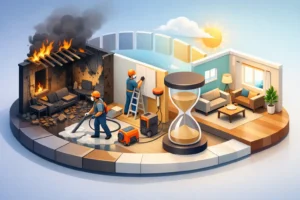
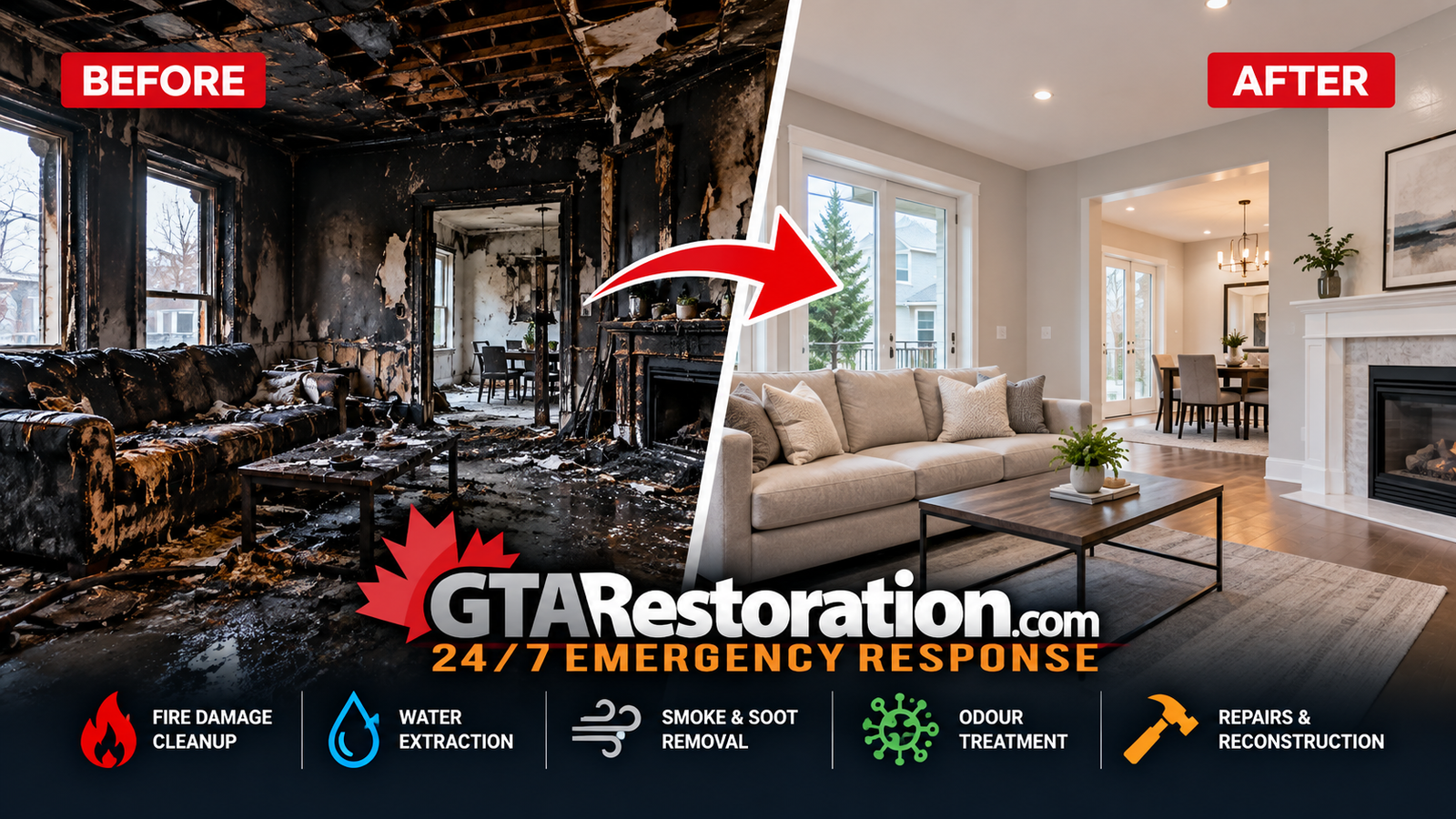
Before and after fire restoration graphic comparing a burned living room with a finished interior.


Before and After Fire Restoration: What to Expect

Before and after fire restoration, a property can look very different. Burned rooms may need debris removal, soot cleanup, drying and repairs. However, the work goes well beyond fresh paint. Each stage should address the damage that caused the room to lose its use.

GTA Restoration helps owners in Toronto and the GTA plan their next steps after a fire. First, the team reviews fire, smoke and water damage. Then, the work follows a clear scope. Here is what to expect as a damaged space moves through cleanup and repair.

Call Us: 416-800-0000

Fire Damage Recovery Starts With an Assessment

A fire can leave blackened walls, wet floors and a strong smell. Yet the full loss may reach well past the burned room. For example, smoke can affect nearby rooms, contents and parts of the heating system.

The first review helps define what needs attention. Next, crews note damaged surfaces and areas that need a closer look. They also record what they find. As a result, the plan can cover both visible damage and concerns that photos may miss.

Safe Entry and Short-Term Protection

Stay out until officials allow entry. A fire-damaged building may still have unsafe floors, loose ceilings or damaged wiring. If a fire is active, get out, stay out and call 911.

Follow the Canadian Red Cross advice after a home fire. Also, ask which areas you may enter and under what conditions. Permission for a brief visit does not mean you can move back in.

Once access is allowed, the crew may arrange temporary protection for damaged openings. Meanwhile, unsafe areas should remain off limits. Repairs to utilities need the right qualified trades.

Water Removal and Drying

Fire hoses and sprinklers can leave water in floors, walls and other materials. Therefore, water removal and drying may form a large part of the job. Crews assess where the water went and which materials can remain.

Next, they set up suitable drying equipment and track moisture levels. A surface that feels dry may still hold water below it. For this reason, moisture checks guide progress. Our water damage service explains this part of the work.

Smoke and Soot Cleanup During Fire Damage Recovery

Soot may settle on walls, cupboards, furniture and fixtures. However, the same cleaning method will not suit every surface. Fire damage recovery calls for care with each material. Crews assess the residue and material before choosing the right cleaning approach.

Some items need careful surface cleaning. Others may need specialist care or replacement. The IICRC fire and smoke restoration standard covers assessment, cleaning and odour management. It also addresses work plans and project records.

Treat Smoke Odours at the Source

A room can look cleaner while a smoke smell remains. Therefore, odour treatment starts with the source. That may mean further cleaning or removal of materials that cannot be saved.

Simply adding a scent will not resolve the damage. Instead, ask which sources remain and how the crew plans to treat them. Read about our smoke odour treatment options for more detail.

What Can Be Saved?

When comparing before and after fire restoration, include belongings as well as the building. First, identify high-priority items and tell the crew about them. Then, discuss cleaning options, costs and any limits on the likely result.

Keep an inventory of damaged items and speak with your insurer about records they need. Also, keep photos, estimates and receipts. Some contents can be cleaned, while others have too much heat, soot or water damage to keep.

After Fire Restoration: Repairs and Results

The goal of before and after fire restoration is a usable space with the agreed damage addressed. However, each property needs its own plan. One room may need cleaning and new finishes. Another may require major removal and rebuilding.

Fire Restoration Results Beyond Fresh Paint

Repairs should follow the required cleanup and drying work. For example, covering damp materials can hide an unresolved problem. Ask how the team will check readiness for the next stage before walls or floors are closed.

The repair scope may include drywall, trim, floors and cabinets. Also, confirm who handles permits, inspections and trade work where needed. For businesses, our commercial fire damage service outlines support for affected workspaces.

Comparing Before and After Fire Restoration

Progress photos can show cleared debris, cleaned surfaces and new finishes. However, photos alone cannot prove dryness or safety. Review them alongside moisture records, completed work and any required inspections.

At handover, walk through the agreed scope with the team. Then, note unfinished items, care instructions and who to contact with concerns. Follow any return-to-use conditions from the relevant authorities and trades.

How Long Does Fire Damage Recovery Take?

Timing depends on access, the damage, drying and repairs. In addition, materials and specialist trades can affect the schedule. Ask for a staged estimate of the work once the assessment is complete.

A clear before and after fire restoration plan should explain what happens next. It should also set out costs, exclusions and how changes are approved. If hidden damage changes the scope, ask for a written update before extra work proceeds.


Need Help After Fire or Smoke Damage?

Call GTA Restoration to discuss cleanup, drying and repair needs in Toronto and the GTA.

Call Us: 416-800-0000

Learn More

Fire and Smoke Cleanup | Water Extraction and Drying | Help for Commercial Properties
Share this... Spread the word!


Plan Your Fire Damage Recovery

Recovery starts with a clear plan. First, confirm safe access. Then, work through cleanup and repairs with the right support.

1. Start Fire Damage Recovery Safely

Wait for official permission to enter. Also, check which areas remain off limits and whether anyone must guide your visit.

2. Record the Damage

Keep photos and a list of affected items. However, never enter an unsafe area just to gather records for a claim.

3. Review the Scope

Ask for a written work plan. Then, check which cleanup tasks, repairs and costs it includes before work begins.

4. Address Trapped Water

Firefighting water may reach hidden spaces. Therefore, ask how the crew will track drying progress and decide when materials are ready.

5. Check Smoke Damage

Look beyond the burned room with your assessor. Also, discuss soot, odours and affected contents before choosing the next steps.

6. Plan the Repairs

Confirm who handles trades and required inspections. Next, agree on the order of work and how the team will share updates.

7. Track Any Changes

Hidden damage may change the plan. In that case, review the revised scope and price before approving extra work.

8. Review Fire Restoration Results

Finally, check completed tasks and any items still open. Keep job reports and contact details for follow-up questions after the work.


Need help planning the next step?
Call GTA Restoration to discuss your fire damage.

Call Us: 416-800-0000


GTA Service Centre


Before and After Fire Restoration: FAQs

Can I go inside after a fire?

Only when officials allow entry. Also, follow any limits on access, even if the flames are out.

Why does the property need drying?

Hoses and sprinklers can soak walls and floors. Therefore, crews check for trapped moisture before repairs cover those areas.

Can smoke odours remain after cleaning?

Yes. Hidden residue may still need treatment. Instead of masking smells, the team should address the odour source.

Can all belongings be saved?

No. Results depend on the item and damage. First, ask about cleaning options and their limits.

Do before-and-after photos prove the work is done?

No. They show what has changed. However, work records and required checks help confirm what the team has completed.


Learn more ↴


Direct Billing & Insurance Claims

Ask your insurer about coverage, deductibles and the records it needs.


Payment options

In-House Financing Available

Financing up to 24 months. No interest. No money down. Ask us about the terms.


Certifications & Insurance

View our firm certification, technician qualifications and insurance documents.

IICRC Certified Firm

GTA Restoration Inc.

Firm number 199912
Valid through

View IICRC certificate (PDF) — opens in a new tab

Business Insurance

GTA Restoration Group Inc.

$5 million general liability per occurrence
$8 million contractors pollution per claim
–

View insurance certificate (PDF) — opens in a new tab

IICRC Technician Qualifications

Tony Sokol T. Lleshi · Registration 214520
Valid through

Water Damage Restoration · Fire & Smoke Damage Restoration · Applied Microbial Remediation · Odor Control · Trauma & Crime Scene

View technician verification (PDF) — opens in a new tab

Insurance is subject to policy terms, conditions and exclusions.


Emergency? Click to Call!