Quick Summary
A contents pack out is the careful removal, cleaning and storage of belongings after a fire. It generally follows five steps: inventory, protection, removal, cleaning and return. Each item is listed, photographed and then returned once the home is ready.
- Each damaged item is listed, its condition noted and photos taken before moving.
- Furniture and floors can be covered to limit new soot and smoke damage.
- Cleaning can address soot and odour, though some items may not be salvageable.
- Your insurer decides what it covers, so keep your inventory and photos organized.
Table of Contents
- How the Contents Pack Out Process Works After a Fire
- Contents Pack Out Inventory and Smoke Damage Contents Cleaning
- How Long Does a Contents Pack Out Take and Fire Damage Insurance Inventory Tips
- Start With a Written Inventory
- Keep Valuables Separate
- Avoid Entering Unsafe Areas
- Document Before Moving Items
- Ask About Cleaning Limits
- Track Items During Storage
- Plan for Odour Removal
- Review Your Policy Early
- How soon should a contents pack out begin after a fire?
- Can smoke-damaged furniture be saved?
- Do I need to make an inventory list myself?
- What happens to items that cannot be cleaned?
- Who decides what my insurance covers?
- Frequently Asked Questions
How the Contents Pack Out Process Works After a Fire
Last Updated: November 22, 2026
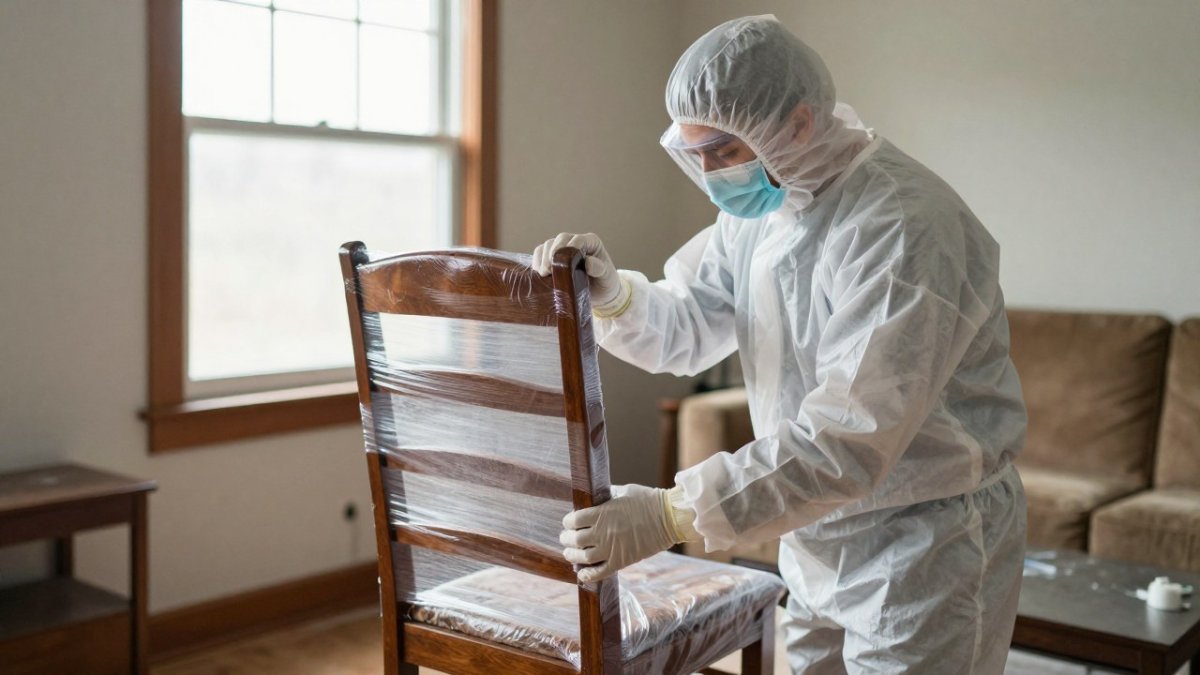
A contents pack out is the careful removal, cleaning and storage of belongings after a fire. The process generally follows the same order: inventory, protection, removal, cleaning and return.
Step 1: Inventory the damaged items. Each item is listed, its condition noted and photos taken.
Step 2: Protect what stays. Furniture and floors can be covered to limit new soot and smoke damage.
Step 3: Remove and transport. Items are removed and moved to a storage location.
Step 4: Clean and deodorize. Cleaning can address soot and odour, though some items may not be salvageable.
Step 5: Return the items. Cleaned belongings are returned once the home is ready.
The pack out follows five steps, each with its own purpose and timing.
| Step | What to do | Time or frequency |
|---|---|---|
| 1. Inventory | List each damaged item, note its condition and take photos | Before anything is moved |
| 2. Protect | Cover furniture and floors to limit new soot and smoke damage | Before removal |
| 3. Remove and transport | Move items to a storage location | During pack out |
| 4. Clean and deodorize | Address soot and odour; some items may not be salvageable | Varies by item |
| 5. Return | Return cleaned belongings once the home is ready | After the home is ready |
Contents Pack Out Inventory and Smoke Damage Contents Cleaning
An inventory keeps the pack out organized. A written record with photos can support insurance claims.
Smoke residue clings to fabrics and hard surfaces (Fire safety in your home). Cleaning methods depend on the material, and many items can be cleaned after a fire.
How Long Does a Contents Pack Out Take and Fire Damage Insurance Inventory Tips
The timeline depends on how many items are involved and how much cleaning they need. Your insurer decides what it covers, so keep your inventory and photos organized from the start. Learn what home policies may cover for smoke damage.
Restoration Support
Fire, Water Damage Restoration Toronto can help homeowners with the pack out process.
Start With a Written Inventory
A clear list of items, with photos, makes claims and cleaning decisions easier.
Keep Valuables Separate
Store jewellery, documents and small valuables in a safe place during the cleanup.
Avoid Entering Unsafe Areas
Do not enter a damaged home until it has been cleared as safe for entry.
Document Before Moving Items
Photos taken before anything is moved show the original condition of each item.
Ask About Cleaning Limits
Some items cannot be fully restored, so ask what is realistic for each one.
Track Items During Storage
Labels and logs help you find every item when it is time to return them.
Plan for Odour Removal
Lingering smoke smell often needs targeted cleaning beyond the first wipe-down.
Review Your Policy Early
Your insurer decides what your policy covers, so review it early.
Contact Fire, Water Damage Restoration Toronto to discuss your situation.
Frequently Asked Questions
How soon should a contents pack out begin after a fire?
Start once the property is cleared as safe for entry.
Can smoke-damaged furniture be saved?
Many pieces can be cleaned, though results depend on the material and how deep the smoke has penetrated.
Do I need to make an inventory list myself?
A written list with photos helps your claim.
What happens to items that cannot be cleaned?
Items that cannot be restored should still be documented for your insurance claim.
Who decides what my insurance covers?
Your insurer makes the coverage decision, so keep records of every item to support your claim.
Frequently Asked Questions
What is a contents pack out after a fire?
A contents pack out is the removal of belongings from a fire-damaged property so they can be cleaned, stored and restored while the building is repaired. Crews usually inventory items, wrap them, and move them to a secure facility.
How long does a fire damage contents pack out take?
Timing depends on the size of the home, how many items need handling, and how much cleaning is required. Your restoration provider can give you an estimate after an on-site assessment.
Can smoke-damaged items be cleaned and restored?
Many smoke-damaged belongings can be cleaned, but results depend on the material and how long smoke was present. Porous items like upholstery may be harder to restore than hard surfaces.
Does home insurance cover contents cleaning and pack out?
Coverage depends on your policy and the insurer’s decision. Keep a detailed inventory and photos, and ask your adjuster which pack-out and cleaning costs they will review.
What should I do before a restoration team packs my belongings?
Photograph damaged items, list valuables, and set aside important documents and medications. Avoid entering areas that look unsafe, and let the crew handle smoke-affected belongings.

For non-emergencies use our contact form
Restoration Support for Properties Across Canada
Property damage can affect a home, business or shared building. GTA Restoration serves communities across Canada, including Toronto and the GTA. We are opening locations in the United States. Contact us to confirm current services and availability for your address.
Emergency Restoration Help
Call for 24/7 restoration help. Describe any active leak, standing water or visible damage. Access, site conditions and crew availability affect the response.
Water Removal
Standing water needs a plan suited to its source and the affected materials. Share details about the depth, location and any known contamination.
Moisture Checks
Visible marks may not show the full extent of a leak. Moisture readings help identify areas that need closer inspection and follow-up.
Mold Concerns
Report visible mold, musty smells and past leaks. Addressing the moisture source is an important part of planning cleanup and repairs.
Fire and Smoke Damage
Smoke, soot and firefighting water can affect different parts of a building. Discuss the affected areas before moving belongings or starting cleanup.
Contaminated Areas
Sewage and other contamination need a site-specific approach. Keep people and pets away from affected areas while arranging an assessment.
Commercial Properties
Building access, tenants and operating hours matter. Our commercial restoration services help owners and managers plan work around site needs.
Equipment Rental
Explore restoration equipment rental and confirm the unit, power requirements, rental dates and operating instructions before booking.
Need emergency help?
Call GTA Restoration to discuss the fault, access.
Service Areas Across Canada
GTA Restoration serves communities across Canada, including Toronto and the GTA. U.S. locations are opening. Browse our Canadian service areas below, and contact us to confirm services and availability for your address.
Search
- Air Duct Cleaning Montreal
- Ajax Asbestos Removal
- Ajax Mold Removal
- Ajax Water Damage
- Asbestos Removal Calgary
- Asbestos Removal Edmonton
- Asbestos Removal Fort Saskatchewan
- Asbestos Removal Gloucester
- Asbestos Removal Grimsby
- Asbestos Removal Hamilton
- Asbestos Removal Kanata
- Asbestos Removal Kitchener
- Asbestos Removal Laval
- Asbestos Removal Lincoln
- Asbestos Removal Montreal
- Asbestos Removal Nepean
- Asbestos Removal Niagara Falls
- Asbestos Removal Orleans
- Asbestos Removal Ottawa
- Asbestos Removal Sherwood Park
- Asbestos Removal Spruce Grove
- Asbestos Removal St Catharines
- Asbestos Removal St-Albert
- Asbestos Removal Thorold
- Asbestos Testing Hamilton
- Asbestos Testing Montreal
- Asbestos Testing Petersburg
- Aurora Mold Removal
- Aurora Water Damage
- Beaconsfield Asbestos Removal
- Brampton Asbestos Removal
- Brampton Mold Removal
- Brampton Water Damage
- Burlington Asbestos Removal
- Burlington Mold Removal
- Burlington Water Damage
- Burst Pipe Montreal Frozen Pipe
- Burst Pipe Repair Edmonton
- Burst Pipe Repair Ottawa
- Caledon Mold Removal
- Caledon Water Damage
- Calgary Mold Removal
- Calgary Water Damage
- Cambridge Mold Removal
- Cambridge Water Damage
- Clarington Mold Removal
- Concord Mold Removal
- Concord Water Damage
- Cooksville Mold Removal
- Edmonton Water Damage
- Emergency Roofing Vancouver
- Etobicoke Asbestos Removal
- Etobicoke Mold Removal
- Etobicoke Water Damage
- Fire Damage Grimsby
- Fire Damage Lincoln
- Fire Damage Niagara Falls
- Fire Restoration Fort McMurray
- Fire Damage Restoration Thorold
- Fire Damage St Catharines
- Flood Cleanup Grimsby
- Flood Cleanup Lincoln
- Flood Cleanup Niagara Falls
- Flood Cleanup St Catharines
- Flood Cleanup Thorold
- London Mold Removal
- London Water Damage
- Markham Asbestos Removal
- Markham Mold Removal
- Markham Water Damage
- Mississauga Asbestos Testing
- Mississauga Mold Removal
- Mississauga Water Damage
- Mold Inspection Removal Kitchener
- Mold Remediation Montreal
- Mold Removal & Inspection LaSalle
- Mold Removal Anjou
- Mold Removal Boucherville
- Mold Removal Brossard
- Mold Removal Burnaby
- Mold Removal Chambly
- Mold Removal Chateauguay
- Mold Removal Chomedey
- Mold Removal Coquitlam
- Mold Removal Dollard Des Ormeaux
- Mold Removal Dorval
- Mold Removal Edmonton
- Mold Removal Fort Saskatchewan
- Mold Removal Gloucester
- Mold Removal Grimsby
- Mold Removal Hamilton Inspection
- Mold Removal Ile Bizard
- Mold Removal in Osgoode
- Mold Removal Beaconsfield
- Mold Removal Kahnawake
- Mold Removal Kanata
- Mold Removal Kirkland
- Mold Removal Laval
- Mold Removal Lincoln
- Mold Removal Longueuil
- Mold Removal Montreal East
- Mold Removal Mount Royal
- Mold Removal Nepean
- Mold Removal New Westminster
- Mold Removal Niagara Falls
- Mold Removal Orleans
- Mold Removal Ottawa
- Mold Removal Cumberland
- Mold Remediation Hampstead
- Mold Removal Remediation Roxboro
- Mold Removal Richmond BC
- Mold Removal Rideau Lakes
- Mold Removal Rockcliffe Park
- Mold Removal Saint Hubert
- Mold Removal Saint Laurent
- Mold Removal Sherwood Park
- Mold Removal Spruce Grove
- Mold Removal St Catharines
- Mold Removal Ste Dorothee
- Mold Removal St۔ Albert
- Mold Removal Surrey
- Mold Removal Thorold
- Mold Removal Vancouver
- Mold Removal Vanier
- Mold Removal Westmount
- Montreal Biohazard Cleanup
- Montreal Emergency Plumber
- Montreal Fire Restoration
- Montreal Flood Cleanup
- Montreal Odor Removal
- Montreal Roofing Emergency
- Montreal Sewer Backup Cleanup
- Montreal Water Leak Detection
- Montréal Asbestos Removal
- Montréal Emergency Plumbing
- Montréal Mold Removal
- Montréal Pipe Burst Emergency
- Montréal Water Damage
- Newmarket Mold Removal
- Newmarket Water Damage
- North York Mold Removal
- Oakville Mold Removal
- Oakville Water Damage
- Oshawa Mold Removal
- Oshawa Water Damage
- Ottawa Air Duct Cleaning
- Pickering Mold Removal
- Pickering Water Damage
- Red Deer Water Damage
- RedDeer Mold Removal
- Richmond Hill Mold Removal
- Richmond Hill Water Damage
- Roof Repair Lincoln
- Roof Repair Niagara Falls
- Roof Repair St Catharines
- Scarborough Asbestos Removal
- Scarborough Mold Removal
- Scarborough Water Damage
- Sewage Cleanup Edmonton
- Sewer Backup Lincoln
- Sewer Backup Niagara Falls
- Sewer Backup Ottawa
- Sewer Backup St Catharines
- Thornhill Mold Removal
- Toronto & GTA Asbestos Removal
- Toronto & GTA Mold Removal
- Toronto Air Duct Cleaning
- Toronto Water Damage
- Unionville Mold Removal
- Unionville Water Damage
- Vancouver Asbestos Removal
- Vancouver Biohazard Cleanup
- Vancouver Emergency Plumber
- Vancouver Emergency Plumbing
- Vancouver Fire Restoration
- Vancouver Flood Cleanup
- Vancouver Mold Removal
- Vancouver Odor Removal
- Vancouver Pipe Burst Emergency
- Vancouver Sewer Backup Cleanup
- Vancouver Water Damage
- Vancouver Water Leak Detection
- Vaughan Mold Removal
- Vaughan Water Damage
- Vermiculite Removal Ottawa
- Water Damage Grimsby
- Water Damage Kanata
- Water Damage Kitchener
- Water Damage Lincoln
- Water Damage Longueuil
- Water Damage Nepean
- Water Damage Niagara Falls
- Water Damage Orleans
- Water Damage Ottawa
- Water Damage Repair Montreal
- Water Damage Laval Montreal
- Water Damage Restoration Thorold
- Sewage Backup Cleanup Montreal
- Water Damage St Catharines
- Water Damage Vancouver
- Water Flood Damage Repair Hamilton
- Flood Damage Repair Hampstead
- Whitby Water Damage
- Woodbridge Asbestos Removal
- Woodbridge Mold Removal
- Woodbridge Water Damage
- Restoration Equipment Rental
Restoration Questions
Where are your services available?
GTA Restoration serves communities across Canada, including Toronto and the GTA. U.S. locations are opening. Tell us the property address so we can discuss the work needed and confirm current availability.
What should I tell the team first?
Describe what happened, when you noticed it and which rooms are affected. Mention any active leak or access restrictions. These details help us discuss the next step and confirm availability.
How is the drying plan decided?
The water source, affected materials and moisture readings help guide the plan. Equipment needs can change as work progresses. Ask how the team will check conditions before repairs cover the affected area.
Can restoration work be covered by insurance?
Coverage depends on your policy and the cause of the damage. Your insurer decides the claim. Keep photos, dates and receipts, and ask which records are needed before agreeing to the work.
Who can I call about urgent damage?
Call the phone number shown on this page for 24/7 restoration help. Explain the problem and ask about availability. If there is immediate danger, contact emergency services and follow their directions.
Learn more ↴ 
Latest Articles
Direct Billing & Insurance Claims
Ask your insurer about coverage, deductibles and the records it needs.

In-House Financing Available
Financing up to 24 months. No interest. No money down. Ask us about the terms.
Certifications & Insurance
View our firm certification, technician qualifications and insurance documents.

IICRC Certified Firm
GTA Restoration Inc.
Firm number 199912
Valid through
Business Insurance
GTA Restoration Group Inc.
$5 million general liability per occurrence
$8 million contractors pollution per claim
–
IICRC Technician Qualifications
Richard Mark Provence · Registration 55726
Certificate expires
Water Damage Restoration · Fire & Smoke Restoration · Applied Microbial Remediation · Odor Control · Trauma & Crime Scene
View technician verification (PDF) — opens in a new tabInsurance is subject to policy terms, conditions and exclusions.
 Facebook
 Instagram
 LinkedIn
 X / Twitter
 YouTube