A fire can leave a property standing yet unsafe to use. Smoke cleaning vs restoration is the decision that follows: Is the damage limited to residue on reachable surfaces, or has soot, odor, moisture, and heat damage reached materials and building systems? The answer affects what should be cleaned, removed, dried, documented, and repaired.
For homeowners, tenants, landlords, condo owners, and facility teams, the safest first step is to wait for fire officials to permit re-entry. Take only essential photos from a safe location. Do not touch charred wiring, turn on appliances, or run the HVAC system until its condition is assessed.
Smoke Cleaning vs Restoration: What Changes?
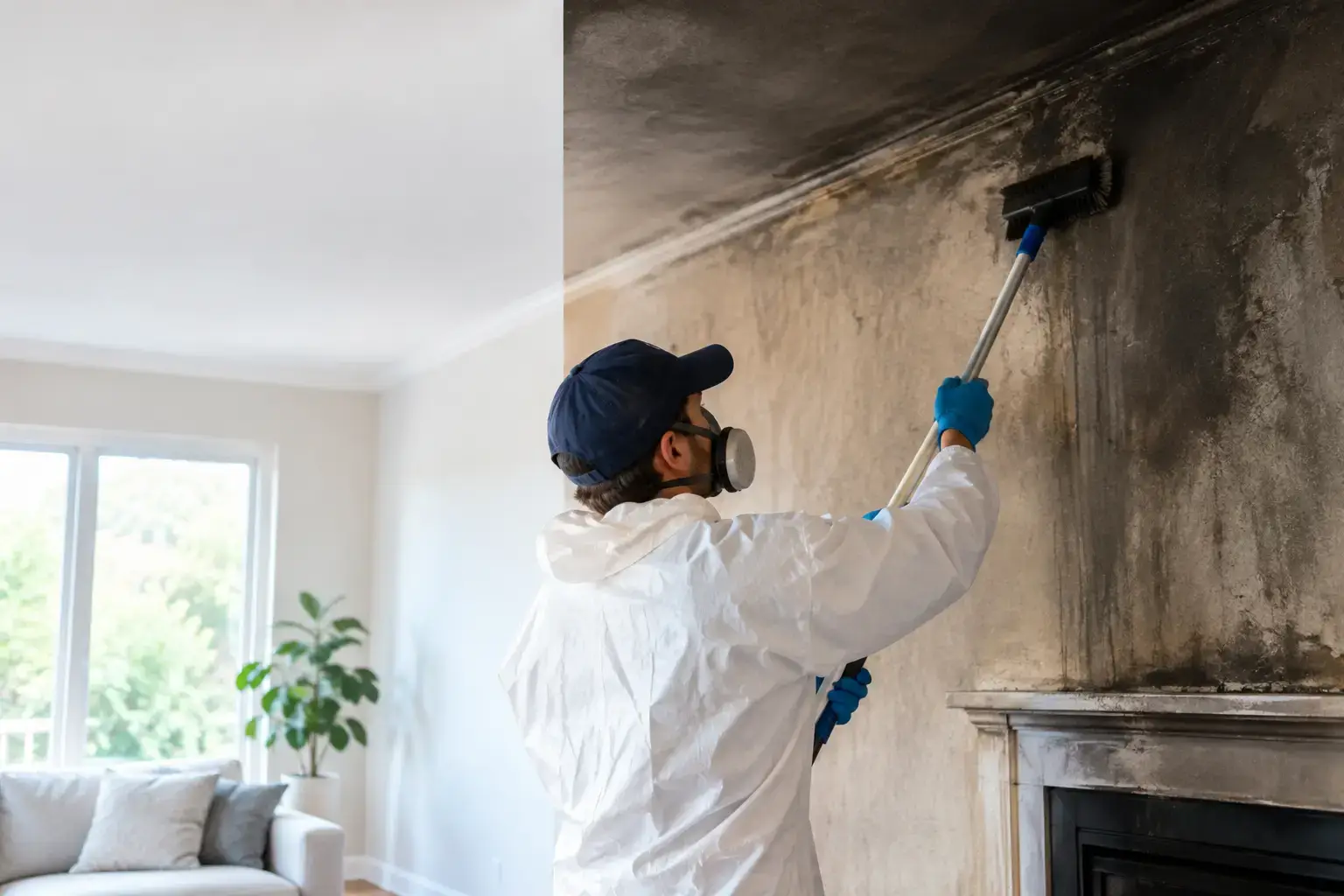
Smoke cleaning focuses on removing soot residue and smoke particles from surfaces that remain sound. This may include walls, ceilings, hard flooring, contents, fixtures, and some exterior areas. Technicians use methods selected for the surface and residue type, such as dry particulate removal before wet cleaning. Rubbing soot with a household rag can spread it deeper into paint, fabric, and porous materials.
Restoration is broader. It begins with a damage assessment and may include smoke cleaning, odor control, water removal from firefighting efforts, drying, removal of unsalvageable materials, and repairs. A property may need restoration even after a small fire if smoke traveled through rooms, ducts, cavities, or shared condo spaces.
The difference is not simply the fire size. A contained kitchen fire can send oily residue throughout a home. A larger fire may leave one detached storage area with limited smoke migration. The right scope depends on what burned, how air moved through the building, the materials affected, and how long residue remained in place.
What Smoke Does to a Building
Smoke is not one uniform substance. Plastics, food, wood, fabrics, and electronics produce different residues when they burn. Some deposits are dry and powdery. Others are greasy, acidic, or difficult to see. Each can affect cleaning methods and the chance that a surface can be retained.
Porous materials create the hardest decisions. Unsealed drywall, insulation, carpeting, upholstered furniture, paper goods, and some ceiling tiles can hold fine particles and odor compounds below the visible surface. Cleaning may improve their appearance without addressing embedded odor. In those cases, controlled removal and replacement can be more practical than repeated surface treatment.
Heat can also create damage that cleaning cannot solve. Warped finishes, cracked glass, melted wiring insulation, weakened plastics, and damaged seals need inspection and, where necessary, repair or replacement. Smoke cleaning should never be used as a shortcut around electrical, structural, or fire safety concerns.
When Cleaning May Be the Main Need
Cleaning may be appropriate when residue is light, contained, and limited to materials that remain intact. For example, a brief stovetop flare-up might leave residue on painted surfaces and cabinets near the cooking area. Even then, a careful assessment matters because smoke often rises, enters adjacent rooms, and settles on horizontal surfaces.
A cleaning-focused scope normally includes documenting affected rooms, identifying residue patterns, protecting unaffected areas, and selecting compatible cleaning methods. Contents should be assessed separately. A washable metal fixture and a leather chair may sit in the same room but need very different handling.
Odor is a useful warning sign, not a full damage test. If smoke odor returns after the room is closed, heated, or humid, particles or odor compounds may remain in materials or concealed spaces. Covering the smell with fragrance does not remove the source.
Signs Restoration Work Is Needed
Restoration support is often needed when fire suppression caused water damage, when soot entered multiple rooms, or when building materials need removal or repair. It is also more likely when smoke moved through ductwork, elevator shafts, shared hallways, wall cavities, or drop ceilings.
Look for staining around vents, yellowing on painted surfaces, persistent odor, wet drywall, swollen flooring, corrosion on metal, or residue inside cabinets and closets. In a condo or commercial property, notify the property manager promptly. They may need access to common systems, mechanical rooms, or nearby units before work can be planned safely.
A restoration assessment can also identify practical access issues. Technicians may need to isolate work areas, protect clean contents, arrange safe entry, inspect behind selected finishes, or coordinate with building management. For occupied properties, the goal is to reduce disruption while addressing the source of contamination rather than only visible marks.
The Assessment Comes Before the Work
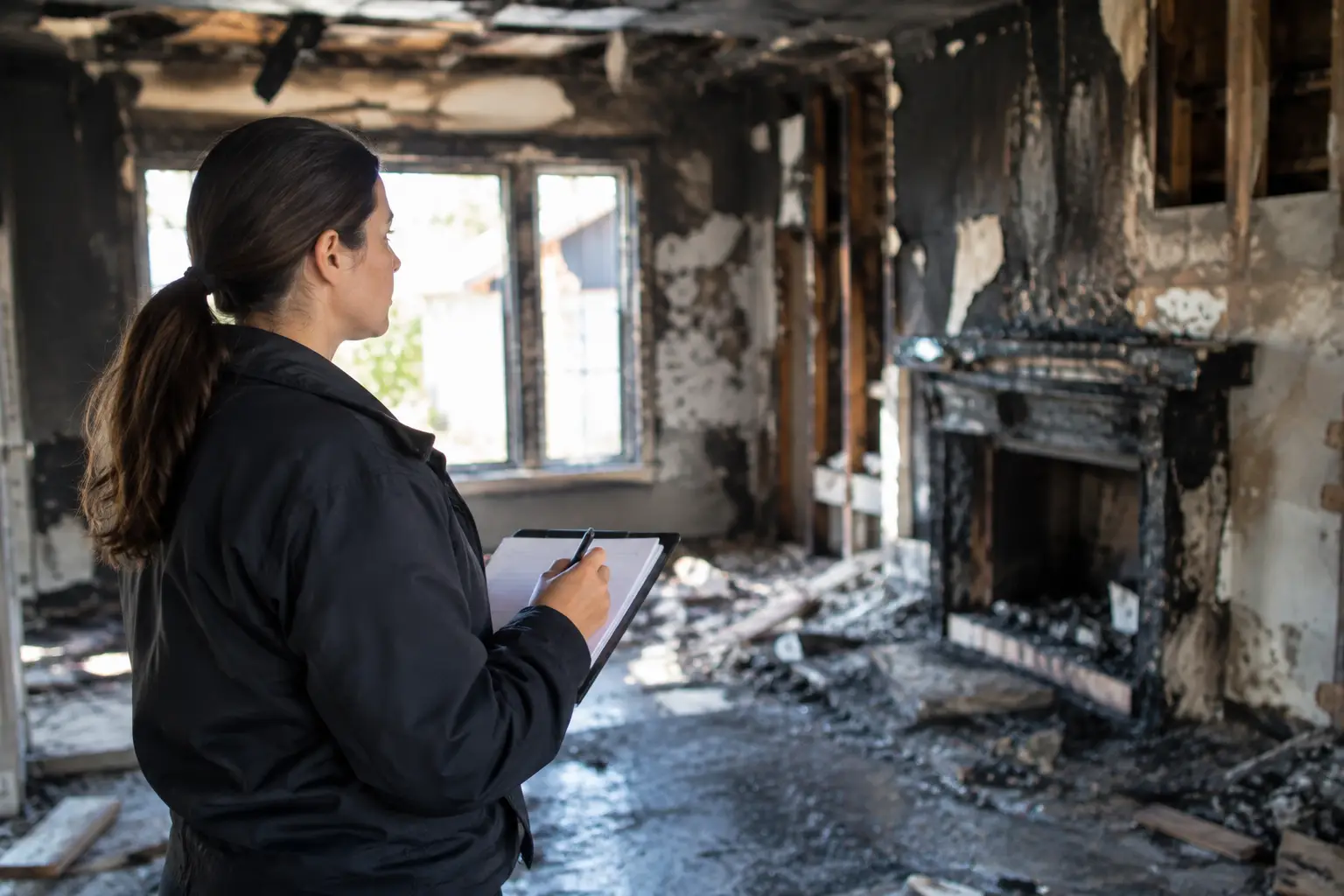
A clear assessment prevents guesswork. It generally records the fire location, materials burned, visible soot, odor conditions, water exposure, affected rooms, and items that may need further inspection. Moisture readings can help identify water from sprinklers, hoses, or extinguishing efforts that could lead to secondary damage if left in place.
Photos and written records are useful for property decisions and insurance discussions. GTA Restoration can provide damage photos, readings, estimates, and work records for the property owner or insurer. An insurer decides policy coverage, including what work or contents may be covered. Keep receipts, communication records, and a simple list of damaged items when it is safe to do so.
Do not discard damaged belongings before documenting them unless they create an immediate safety or health concern. If a material is wet, contaminated, or structurally unstable, follow safety directions first. Your insurer or property manager may also have instructions about inspection and disposal.
Cleanup, Odor Control, and Repairs Work Together
Effective smoke restoration follows the source of the problem. Cleaning removes residue from salvageable surfaces. Odor-control steps address particles and compounds left behind. Drying addresses water introduced during fire suppression. Repairs return removed or damaged finishes, fixtures, and building components to usable condition when appropriate.
These stages can overlap, but they should not be confused. Painting over soot without proper surface preparation can leave stains or odor behind. Replacing drywall before moisture concerns are checked can trap water in the assembly. Turning HVAC equipment back on before it is assessed can move residue into areas that were initially clean.
For a small, isolated incident, the work may be limited. For widespread smoke, heavy soot, or water exposure, the scope can grow as hidden areas are inspected. That is why smoke cleaning vs restoration is a useful distinction: it helps property owners ask whether they are treating a surface problem or recovering a damaged environment.
Safe Steps While You Wait for Help
Avoid dry sweeping, household vacuuming without suitable filtration, aggressive scrubbing, and mixing cleaning chemicals. These actions can spread residue, damage finishes, or create irritating fumes. Keep children, pets, and people with breathing sensitivities away from affected areas when possible.
If safe to do so, save undamaged documents, medications, and valuables from clean areas without disturbing soot-covered items. Keep interior doors closed to limit movement between affected and unaffected spaces. For a fire involving a commercial suite or condo, follow site safety procedures and report conditions to the responsible manager.
A careful response protects more than surfaces. It gives you a clearer record, preserves options for repair, and helps focus the work where it is truly needed.
GTA Restoration serves communities across Canada, including Toronto and the GTA. U.S. locations are opening. Browse our Canadian service areas below, and contact us to confirm services and availability for your address.
Is smoke cleaning enough after a small kitchen fire?
It may be, if residue is contained and materials remain sound. An assessment can check for smoke travel, odor, and hidden water exposure.
How does restoration differ from basic soot cleanup?
Restoration can include cleaning, odor control, drying, material removal, and repairs. Basic cleanup focuses mainly on removing residue from salvageable surfaces.
Can I clean smoke residue with household products?
Avoid improvised cleaning until surfaces are assessed. Scrubbing or mixing products can spread soot, damage finishes, or create irritating fumes.
What records should I keep after smoke damage?
Keep photos, item lists, receipts, readings, estimates, and work records. These documents may help with property decisions and insurer discussions.
Who decides whether smoke damage is covered?
Your insurer decides coverage under your policy. Restoration providers can document conditions and completed work, but cannot approve or guarantee coverage.