A fire can be out in minutes, yet the smoke damage can remain in walls, HVAC systems, furniture, and clothing for weeks if it is not addressed correctly. So, how long does smoke cleanup take? A small, contained incident may take one to three days to clean and deodorize. A whole-home or commercial fire loss can require several weeks or longer, especially when structural repairs, contents restoration, and insurance approvals are involved.
The critical factor is not just the visible soot. Smoke travels rapidly through a property, entering rooms that were never touched by flames. Fast, professional action limits permanent staining, corrosion, odor absorption, and disruption to your household or business operations.
The Typical Smoke Cleanup Timeline
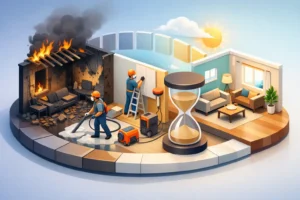
Every fire loss needs a site-specific assessment, but most professional smoke restoration projects follow a clear sequence. Emergency stabilization begins immediately. Full cleaning, deodorization, and reconstruction follow based on the extent of the loss.
First 24 to 48 hours: Safety, assessment, and stabilization
The first priority is making the property safe to enter. Restoration technicians inspect for structural hazards, electrical risks, water damage from firefighting efforts, and affected materials that may release harmful particles. They document damage for the insurance claim, identify the type of smoke residue, and create a scope of work.
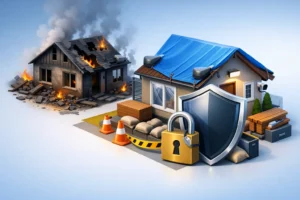
During this stage, crews may secure broken windows, board up openings, install temporary roof protection, extract firefighting water, and begin air filtration. Sensitive contents may be moved out for cleaning or protected from further contamination.
This early response is often the difference between cleaning a surface and replacing it. Acidic soot can permanently discolor paint, etch glass, corrode metal, and damage electronics if it sits too long.
Days 2 to 7: Soot removal and surface cleaning
For a limited kitchen fire, fireplace puff-back, or small electrical fire, the main cleanup work can often be completed within a few days. Technicians use specialized dry-cleaning sponges, HEPA vacuums, controlled wet-cleaning methods, and appropriate cleaning agents for the affected surfaces.
Smoke residue is not all the same. Dry smoke from a fast-burning fire is usually powdery and easier to remove. Wet smoke from slow-burning synthetic materials can be sticky, smeary, and much harder to clean. Protein residue from an overheated cooking incident can be nearly invisible, but it leaves a sharp, persistent odor and can coat surfaces throughout the home.
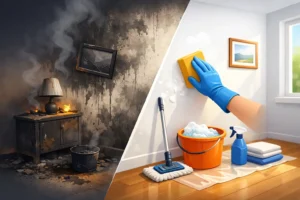
Cleaning must be methodical. Wiping soot incorrectly can grind particles into paint, fabric, carpeting, or wood grain, making the damage worse. Professional teams clean from the source area outward and verify that hidden surfaces, trim, ceilings, cabinets, and ventilation pathways are addressed.
One to three weeks: Odor treatment, contents cleaning, and verification
Visible soot removal does not automatically remove smoke odor. Odor molecules can settle into insulation, drywall, upholstery, carpet padding, drapes, and HVAC components. That is why deodorization is a separate stage of smoke restoration, not a quick spray or fragrance treatment.
Depending on the property, odor removal may involve HEPA air scrubbers, thermal fogging, hydroxyl treatment, ozone treatment in unoccupied areas, and cleaning of ducts or mechanical systems. The right method depends on the materials affected and whether people, pets, or business operations need to remain on site.
Contents restoration may extend the overall timeline. Clothing, documents, electronics, furniture, artwork, and inventory can require specialized off-site cleaning. A property may be safe and odor-free before every individual item has been returned.
Several weeks to months: Repairs and reconstruction
If smoke penetrated behind walls, damaged insulation, affected cabinetry, or was accompanied by extensive water and fire damage, cleanup becomes part of a larger restoration project. Drywall, flooring, insulation, trim, roofing, electrical components, and plumbing may need repair or replacement.
The cleaning phase may be complete in days or weeks, but reconstruction can take longer because of material availability, permit requirements, engineering concerns, and insurer approval. For commercial buildings and condominiums, access coordination, tenant communication, and work performed after hours can also affect the schedule.
What Determines How Long Smoke Cleanup Takes?
The size of the fire matters, but it is not the only factor. A small fire in an enclosed room can create more concentrated smoke damage than a larger fire in a well-ventilated area. The restoration timeline is usually shaped by the following conditions:
- Fire location and ventilation: Smoke from a basement, kitchen, utility room, or closed office can spread through ductwork and wall cavities before it exits the building.
- Type of materials burned: Plastics, foam, rubber, synthetic fabrics, and wiring can create dense, oily residues that require more intensive cleaning than ordinary wood or paper smoke.
- Time before cleanup begins: The longer soot remains on surfaces, the greater the risk of staining, corrosion, and permanent odor absorption.
- Water damage: Sprinklers, hoses, and firefighting efforts can create a second emergency. Water extraction and structural drying may need to happen alongside smoke remediation.
- Property layout and contents: Multi-story homes, condominium units, warehouses, and offices with extensive inventory naturally require more inspection, cleaning, and documentation.
- Insurance and reconstruction requirements: Coverage decisions, estimates, and approvals can affect repair timelines even when emergency cleanup is already underway.
Can You Stay in the Property During Smoke Cleanup?
Sometimes, yes. Many residents and businesses can remain in unaffected areas when the damage is isolated and proper containment is in place. Air scrubbers, negative-air systems, protective barriers, and staged cleaning can help keep work areas separated from occupied spaces.
However, temporary relocation may be the safer choice after a significant fire. This is particularly true when there is heavy soot, strong odor, exposed electrical systems, water intrusion, damaged ceilings, or contamination throughout the HVAC system. Children, older adults, people with respiratory conditions, and pets may be more sensitive to airborne particles and lingering odors.
For commercial properties, the decision often comes down to whether operations can continue safely without exposing staff or customers to dust, odors, construction activity, or restricted access. A professional restoration plan should prioritize safety while minimizing avoidable downtime.
Why DIY Smoke Cleanup Often Extends the Timeline
It is understandable to want to start cleaning immediately. But household vacuums can recirculate fine soot particles, and common cleaners may set stains or spread oily residue. Painting over smoke damage without complete cleaning and odor treatment can trap odors inside walls and cause discoloration to return.
The same applies to damaged electronics and HVAC systems. Electronics exposed to smoke may appear functional but can corrode internally over time. Turning on a contaminated furnace or air conditioner can redistribute soot and odor through the property.
A qualified restoration team identifies which items can be cleaned, which materials need removal, and which areas require controlled containment. That prevents repeated cleaning attempts and helps move the property toward a documented, insurable recovery.
What to Do While You Wait for Smoke Cleanup Help
If authorities have confirmed it is safe to re-enter, avoid touching soot-covered walls, ceilings, or contents. Limit foot traffic to prevent tracking residue into clean areas. Do not run the HVAC system unless it has been cleared for use, and do not wash smoke-damaged clothing with unaffected items.
Take clear photos and videos for insurance documentation before moving belongings when possible. Keep receipts for emergency expenses, temporary accommodations, and essential purchases. If water was used to put out the fire, act quickly on drying needs as well, since mold growth can begin where moisture remains trapped.
GTA Restoration responds 24/7 to fire, smoke, water, and property recovery emergencies with the equipment and technical expertise needed to stabilize the loss, clean affected areas, control odor, and support insurance documentation.
Smoke cleanup should move at the speed of the damage, not at the speed of convenience. The sooner the right team can assess the property and begin controlled restoration, the better the chance of protecting what can still be saved and returning the space to safe use.