...

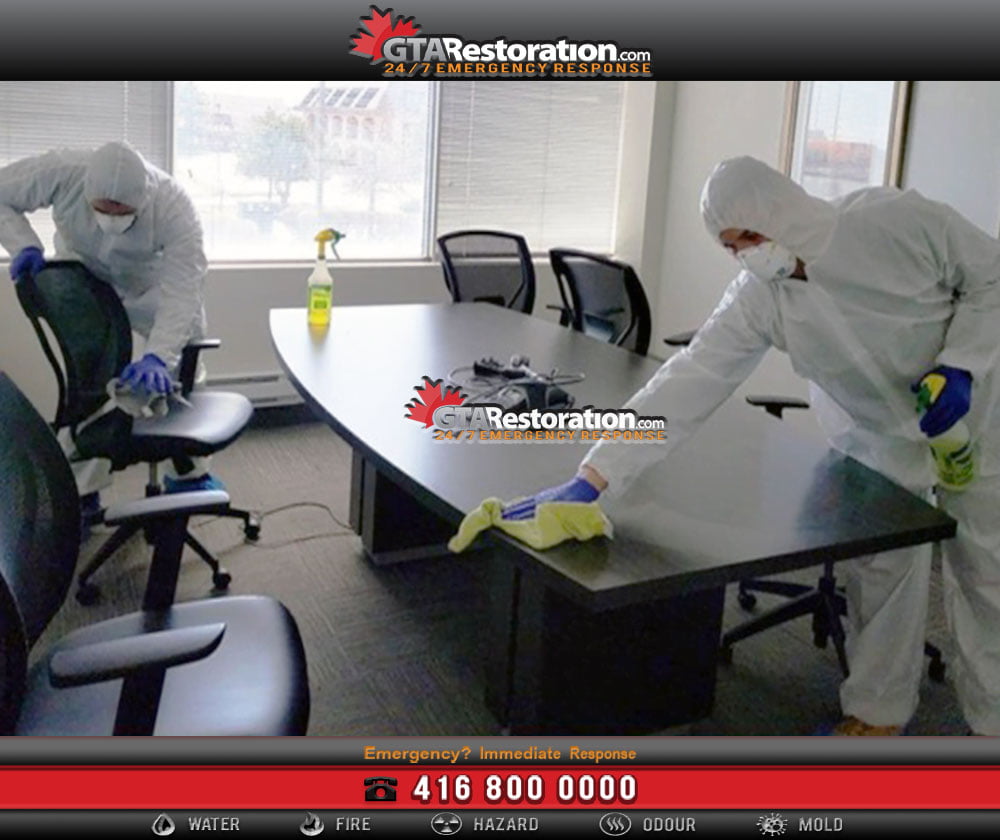
Workers wiping office furniture, illustrating cleaning advice within COVID-19 building guidance.


COVID-19 Building Guidance for Shared Spaces

COVID-19 building guidance should bring together cleaner air, hand hygiene and a clear cleaning plan. Each step helps reduce risk in homes, offices, condos and apartment buildings. However, no single step removes all risk.

Use this COVID-19 building guidance to review how people share your space. Then, assign clear tasks for air systems, cleaning and supplies. GTA Restoration can help property owners discuss cleaning and disinfection needs in Toronto and the GTA.

Call Us: 416-800-0000

Start with How COVID-19 Spreads

COVID-19 spreads mainly through infectious particles released into the air. People release them when they breathe, talk, cough or sneeze. A person may spread the virus before they feel sick.

Therefore, surface cleaning should form part of a wider plan. Review airflow, shared rooms and close contact as well. The City of Toronto’s respiratory virus advice explains how these measures work together.

COVID-19 Building Guidance for Cleaner Air

Ventilation brings outdoor air into a room and removes indoor air. This helps reduce the amount of virus-containing particles in shared air.

First, keep vents and air returns clear. Then, arrange routine checks of the heating, ventilation and air conditioning system. Ask a qualified technician how to improve outdoor airflow and filter performance.

Open windows when weather, outdoor air quality and safety allow. However, keep window guards and other safety features in place. Toronto’s indoor air quality guidance explains these checks.

Choose Filters That Suit the Space

A portable air cleaner with a HEPA filter can help remove particles from room air. Choose a unit suited to the room size. Also, follow its placement, use and filter-change instructions.

For central systems, use filters the equipment can handle. A technician can check the options. However, filtration does not replace every other precaution. Keep cleaning and illness plans in place too.

Support Staff and Residents Who Are Sick

Encourage staff to stay home when sick. Also, ask ill residents to avoid shared social spaces while they recover. Provide a clear way to report concerns and arrange essential services.

A well-fitting, high-quality mask can add protection in crowded indoor spaces, especially where airflow is poor. Also, share current public health advice on vaccines and other protective steps.

Decisions about closing shared areas should follow current public health advice and rules for the setting. Healthcare and long-term care sites need their own infection-control procedures.

Hand Hygiene for Respiratory Virus Prevention

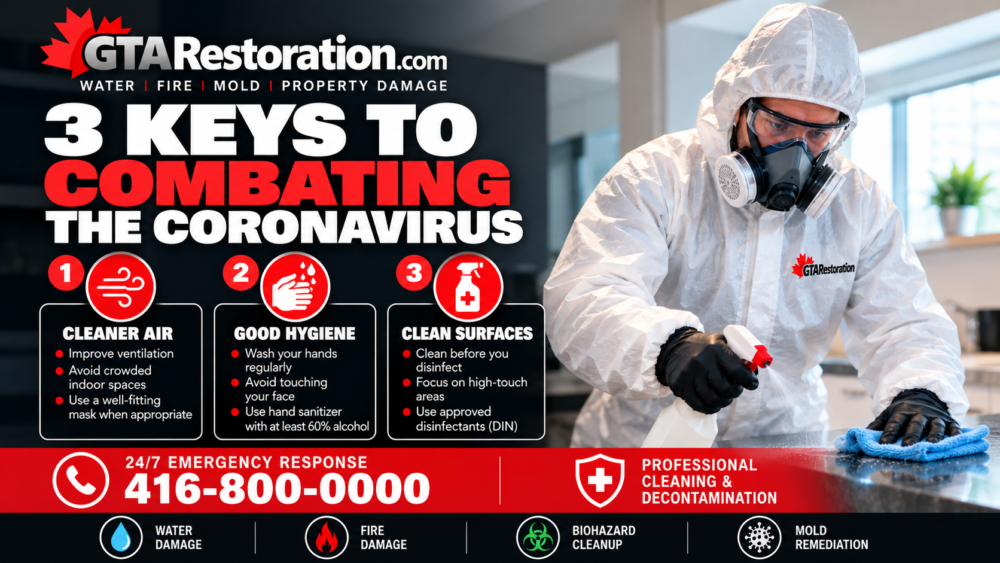
Keep washrooms stocked with soap and hand-drying supplies. Wash hands with soap and water for at least 20 seconds. If these are unavailable, use hand sanitizer with at least 60% alcohol.

Also, remind people to cover coughs and sneezes with a tissue or elbow. Place bins where people can easily discard tissues. These habits support building infection prevention throughout the day.

COVID-19 Building Guidance for Cleaning and Care

A useful cleaning plan names the areas, tasks and responsible staff. COVID-19 building guidance should also explain how the plan changes when someone is sick.

COVID-19 Building Guidance for Shared Surfaces

Focus on surfaces that many people touch. For example, include door handles, lift buttons, rails and shared counters. Also, add washrooms, kitchens and shared equipment to the schedule.

Clean visible dirt before disinfecting. Then, adjust the frequency to the setting, use and public health advice. The CCOHS cleaning guide explains how to plan the work and keep useful records.

Follow the Product Label Every Time

Choose a Health Canada-authorized disinfectant suited to the virus, surface and method of use. Follow the label for dilution, protective gear and any rinsing steps.

Also, keep the surface wet for the full contact time on the label. A quick wipe may not meet that requirement. Never mix cleaning chemicals or apply surface disinfectants to people.

Train and Equip the Cleaning Team

Make sure workers understand product labels and safety data sheets. Provide the protective gear the task requires. Also, explain how to handle used cloths, waste and reusable tools.

Keep products labelled and stored safely. Then, check that staff can get fresh supplies when needed. Our post-outbreak cleaning guide covers further planning steps.

COVID-19 Building Guidance After Illness

First, review which shared rooms the ill person used. Then, arrange cleaning, disinfection and suitable ventilation. Follow the building’s procedures and any public health direction.

Update your COVID-19 building guidance when those instructions change. Also, tell occupants about work areas and access arrangements without naming the person who is sick.

Plan Professional Cleaning Around Building Use

Agree on the rooms, surfaces, products and timing before work begins. Also, confirm ventilation and any label-based re-entry steps. However, a completed cleaning visit cannot guarantee a virus-free building.

Our sanitizing and disinfection service can support a defined cleaning scope. For occupied workplaces, our commercial property services can help plan access and site work.


Need Help Planning Building Cleaning?

Call GTA Restoration to discuss shared spaces, surface cleaning and access needs.

Call Us: 416-800-0000

Learn More

Sanitizing and Disinfection | Post-Outbreak Cleaning Steps | Commercial Property Services
Share this... Spread the word!


Put COVID-19 Building Guidance into Practice

A short written plan helps staff follow the same steps. Keep tasks, contacts and records clear.

1. Name a Plan Lead

First, choose who will review updates and answer questions. Also, name a backup contact for days when that person is away.

2. Map Shared Areas

List lobbies, lifts, washrooms and meeting rooms. Then, identify frequently touched surfaces that need attention in each area.

3. Review Air System Care

Keep service dates and filter details together. Also, report blocked vents or equipment faults to the person responsible for maintenance.

4. Check Cleaning Supplies

Record the products in use. Then, check labels, expiry dates and stock levels before staff start their work.

5. Practise Building Infection Prevention

Show staff how to follow the plan. Also, explain who to contact when supplies run low or an illness concern arises.

6. Plan Access During Cleaning

Tell occupants which areas need temporary limits. Confirm safe access and re-entry steps before the cleaning visit begins.

7. Keep Useful Records

Log dates, areas cleaned and follow-up tasks. Then, review missed work or problems with the team so they can improve.

8. Review the Plan Regularly

Finally, check current local advice and changes in building use. Update instructions and staff training when the plan changes.


Need help with shared-space cleaning?
Call GTA Restoration to discuss your building and the work required.

Call Us: 416-800-0000


GTA Service Centre


COVID-19 Building Guidance FAQs

Is surface cleaning enough?

No. COVID-19 can spread through shared air. Therefore, include ventilation and filtration, plus illness precautions, in the plan.

How long should people wash their hands?

Use soap and water for at least 20 seconds. Also, keep soap and drying supplies stocked.

How often should shared surfaces be cleaned?

First, follow the setting's guidance and use patterns. Clean visible dirt promptly, and give frequently touched surfaces more attention.

Does every room need fogging?

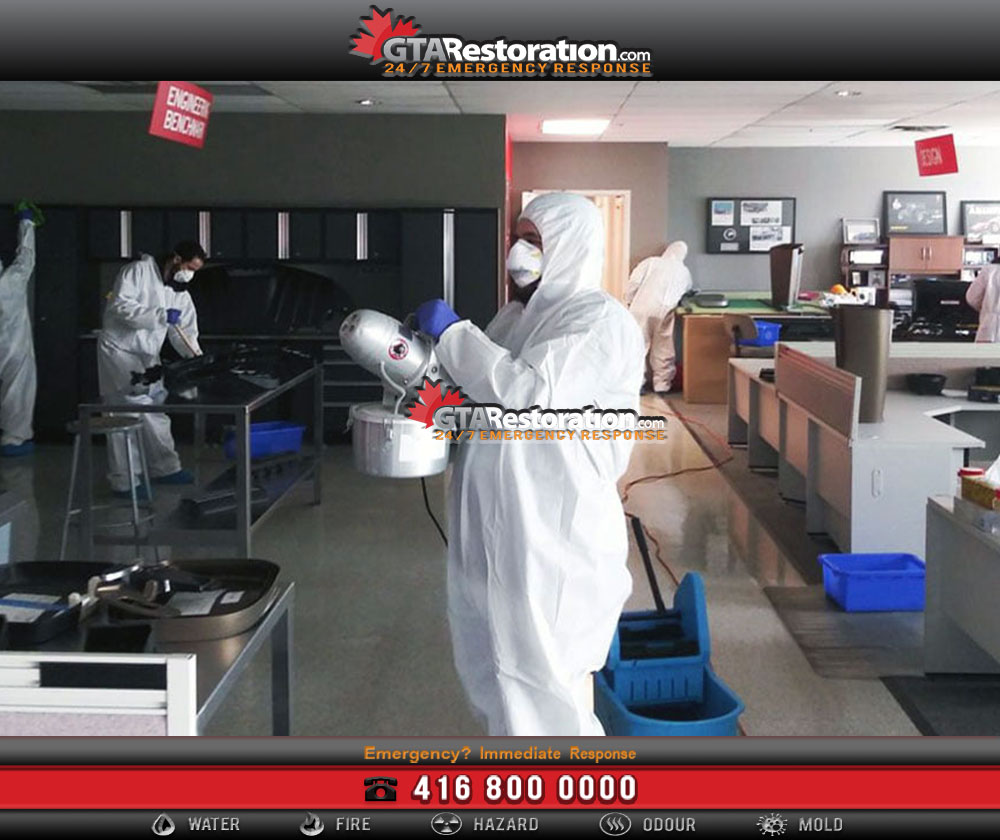
No. Use a method only when the product label permits it and the site plan supports it.

Must every shared room close?

Follow current local advice and applicable requirements. Also, account for cleaning work and the needs of the setting.


Learn more ↴


Direct Billing & Insurance Claims

Ask your insurer about coverage, deductibles and the records it needs.


Payment options

In-House Financing Available

Financing up to 24 months. No interest. No money down. Ask us about the terms.


Certifications & Insurance

View our firm certification, technician qualifications and insurance documents.

IICRC Certified Firm

GTA Restoration Inc.

Firm number 199912
Valid through

View IICRC certificate (PDF) — opens in a new tab

Business Insurance

GTA Restoration Group Inc.

$5 million general liability per occurrence
$8 million contractors pollution per claim
–

View insurance certificate (PDF) — opens in a new tab

IICRC Technician Qualifications

Tony Sokol T. Lleshi · Registration 214520
Valid through

Water Damage Restoration · Fire & Smoke Damage Restoration · Applied Microbial Remediation · Odor Control · Trauma & Crime Scene

View technician verification (PDF) — opens in a new tab

Insurance is subject to policy terms, conditions and exclusions.


Emergency? Click to Call!