
Tags: Water Damage, Water Damage Restoration,
For non-emergencies use our contact form


Emergency? 24-Hours
416-800-0000When you need to deal with water damage, clear details help the cleanup team plan a useful first visit. GTA Restoration provides water removal, moisture checks and drying support in Toronto and the GTA. Start with what you know, then ask the team to explain any further checks your property needs.
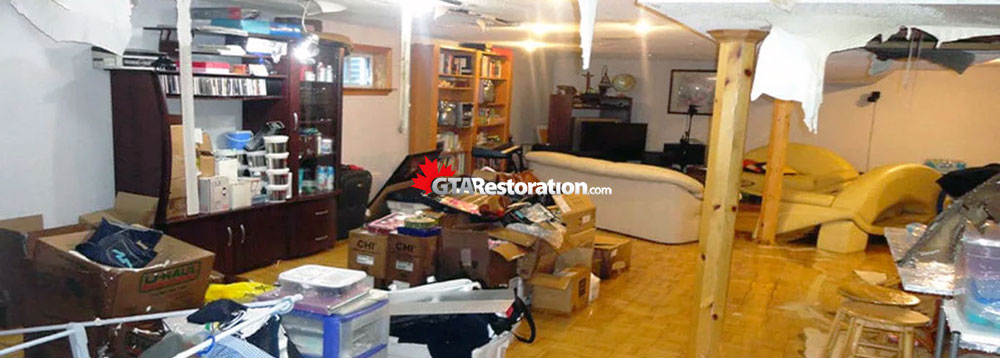
Describe the room and the likely source, such as a supply pipe, roof leak or drain backup. If you do not know the cause, say so. A guess should not replace an inspection of the affected area.
Tell the team if the leak has stopped or if water keeps coming in. Also, explain any steps someone has already taken. Source control and cleanup may require separate work, so confirm who will handle each part.
Keep clear of wet wiring, a sagging ceiling or an unstable floor. Then, describe these concerns by phone. Do not enter a flooded area simply to measure the depth or improve a photograph of the damage.
For a shared property, ask management about access to service rooms and shut-offs. In addition, confirm where the team can park and bring in equipment. A clear point of contact helps avoid missed calls or conflicting instructions.
Save photos, dates and receipts in one place. Record what you saw before cleanup and what work took place afterward. If you make a claim, ask your insurer which records they want and how to send them.
Ask which belongings may need removal and which could be cleaned or dried. Also, check your insurer’s directions before discarding items where safe to do so. Keep a record of items removed from each room.
The team should explain where equipment will sit and how progress will be checked. Ask about moisture readings and follow-up visits. Drying times vary, so agree on how you will receive updates instead of relying on a fixed finish date.
Read the scope and price before work begins. Then, agree on how the team will report new findings. Approve changes in writing so you can track which cleanup and repair tasks form part of the current job.
Discuss when each room can be used and which repairs remain. Keep equipment routes and exits clear during the work. Before new finishes go in, ask the team to explain the findings that support the next stage.
File the final scope, invoices and drying records together. Also, note who repaired the water source. If a stain or leak returns, these records can help the next inspection focus on the right area and earlier work.
Arrange water damage cleanup in Toronto and the GTA.
Tell us what happened and ask about the next available assessment.
Service Areas Across Canada
GTA Restoration serves communities across Canada, including Toronto and the GTA. U.S. locations are opening. Browse our Canadian service areas below, and contact us to confirm services and availability for your address.
Search
Act as soon as it is safe. Keep clear of hazards, stop the source only if safely reachable, and arrange an assessment. Do not wait for visible damage to grow.
No. Health Canada links prompt drying with lower mould risk. The guidance is not a safe waiting period or a fixed drying time for every home.
Yes. A surface may feel dry while layers below remain wet. Moisture checks help the team assess what needs drying or further access.
Coverage depends on your policy and the cause of the loss. Contact your insurer, keep records and ask what they need before discarding items.
We serve Toronto and the GTA. Call 416-800-0000 with your location and a brief description of the water damage.
Learn more ↴ 
Latest Articles
Direct Billing & Insurance Claims
Ask your insurer about coverage, deductibles and the records it needs.

In-House Financing Available
Financing up to 24 months. No interest. No money down. Ask us about the terms.
Certifications & Insurance
View our firm certification, technician qualifications and insurance documents.

IICRC Certified Firm
GTA Restoration Inc.
Firm number 199912
Valid through
Business Insurance
GTA Restoration Group Inc.
$5 million general liability per occurrence
$8 million contractors pollution per claim
–
IICRC Technician Qualifications
Richard Mark Provence · Registration 55726
Certificate expires
Water Damage Restoration · Fire & Smoke Restoration · Applied Microbial Remediation · Odor Control · Trauma & Crime Scene
View technician verification (PDF) — opens in a new tabInsurance is subject to policy terms, conditions and exclusions.





Call Us 416-800-0000