






For non-emergencies use our contact form
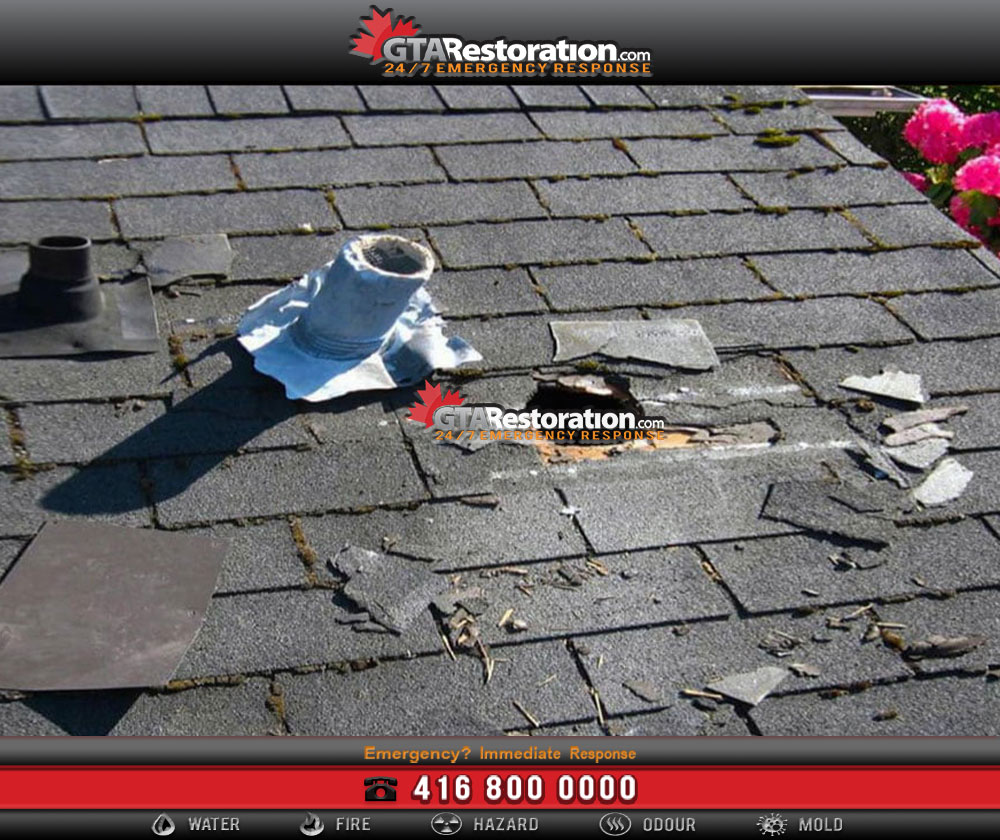
Prepare your roof for fall and winter before leaves, rain and freezing weather make small problems harder to reach. Start with what you can see from the ground. Missing shingles, loose gutters and a recurring ceiling stain deserve attention before the next storm.
Toronto homes have many roof styles, from steep older roofs to flat additions. Each drains differently. Keep a short record of past leaks, repairs and trouble spots so the person inspecting your roof knows where to look.
Fall roof maintenance: start outside
Look for damage without climbing
From a safe location, look for uneven roof lines, loose roofing and damaged flashing around chimneys or vents. Binoculars or ground-level photos can help. However, do not climb onto a wet, icy or damaged roof to investigate. Arrange a roof inspection and repair assessment when the area is difficult to see.
Keep gutters and downspouts clear
Leaves can block drainage just as fall rain arrives. Ask for gutters, outlets and downspout connections to be checked together. Also, look for sagging sections and water marks on the wall below. A clean gutter will still overflow if its outlet is blocked or the slope is wrong.
At ground level, check where discharge goes. Water should drain away from the foundation without creating an icy walking route or flowing onto a neighbour’s property. Ask about local drainage requirements before changing a connection.
Check branches and roof openings
Branches touching the roof may rub the surface or drop debris into valleys. A qualified tree professional can assess larger limbs, especially near power lines. Meanwhile, ask the roofer to check the seals around skylights, vents and other openings instead of covering every joint with more sealant.
Prepare the attic for winter
Investigate moisture before adding insulation
A ceiling stain may come from a roof leak, plumbing or condensation. Note whether it changes after rain or cold weather. If attic access is safe, have someone qualified check for wet insulation, staining and blocked ventilation. Do not disturb suspect insulation or step onto unsupported ceiling surfaces.
Understand recurring ice dams
Ice near the eaves can hold meltwater back beneath roofing. Clearing gutters alone does not solve every cause. Air leaks, insulation and ventilation may all need assessment. Natural Resources Canada’s roof and attic guide explains these connections and the limits of quick fixes.
Never chip roof ice with an axe or climb up to remove snow yourself. If ice or heavy snow is causing concern, keep people away from the area below and seek advice suited to your roof.
Plan repairs before severe weather
Ask for a written scope that identifies the problem, proposed repair and any work that depends on opening the roof. Include access arrangements and how the crew will protect the property if weather changes. For a shared roof, involve the owner, condo manager or other responsible party before booking work.
Keep dated photos, quotes and invoices. These records help track recurring faults and explain later damage. They do not guarantee an insurance claim: ask your insurer about your policy and reporting requirements.
Respond to a roof leak safely
If water enters, keep clear of sagging ceilings and wet electrical fixtures. Move belongings only where access is safe. Then arrange source repair and water damage restoration for affected materials. A stopped drip does not show whether insulation or a wall cavity is dry.
To discuss fall and winter roof preparation or an active leak in Toronto and the GTA, call 416-800-0000. Tell us what you see, when it started and whether anyone faces an immediate hazard.


 Facebook
  Instagram
  LinkedIn
  X / Twitter
  YouTube

