...
Can Tenants Report Water Damage To A Landlord?

A ceiling stain that grows overnight, water under a kitchen sink, or a wet carpet after a plumbing backup needs prompt attention. Can tenants report water damage? Yes. In most rentals, tenants should tell the landlord, property manager, or building contact as soon as they discover a leak, flood, or moisture problem. Quick reporting can limit damage, help protect your belongings, and give the owner a clear chance to arrange repairs.

Can Tenants Report Water Damage Right Away?

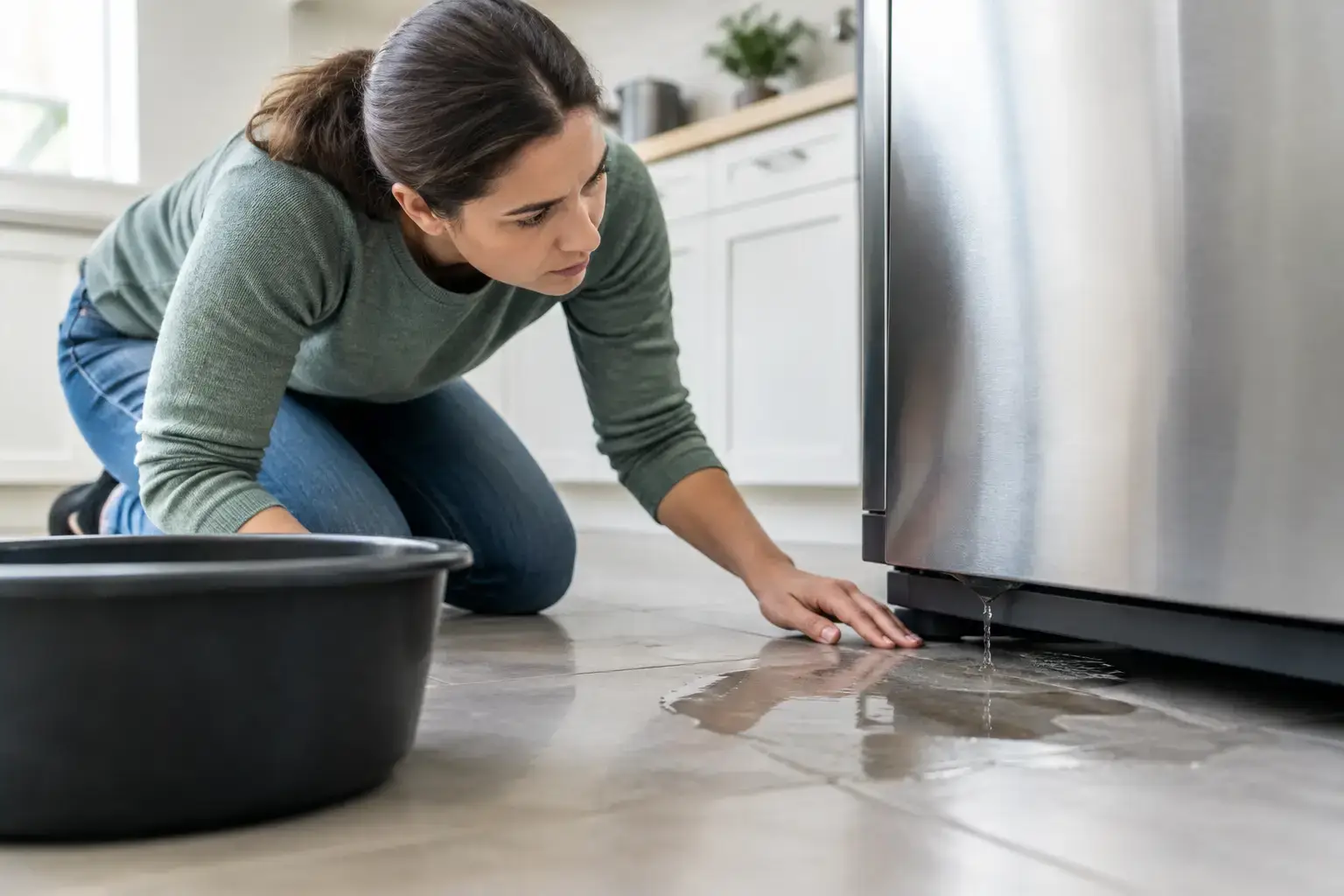
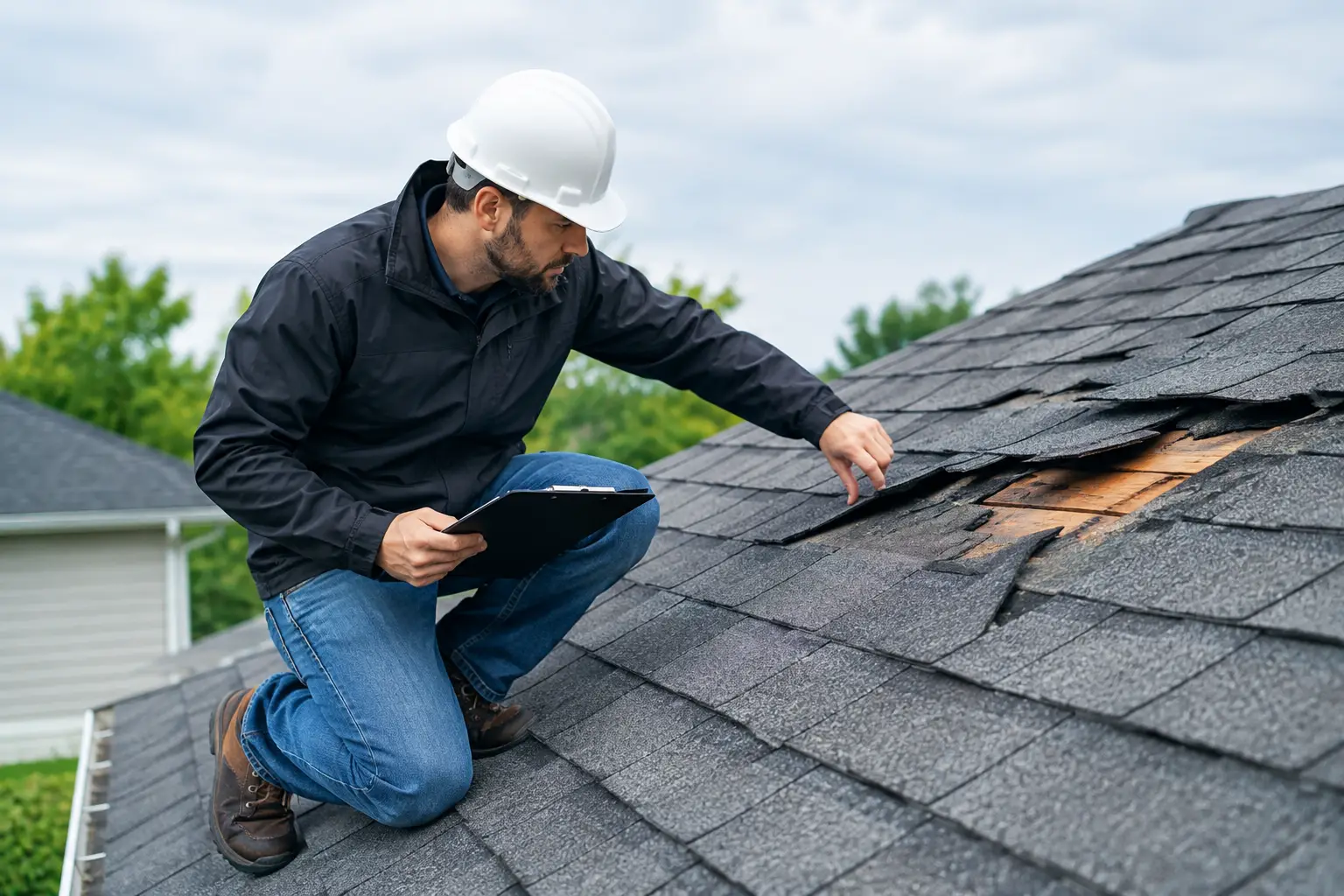
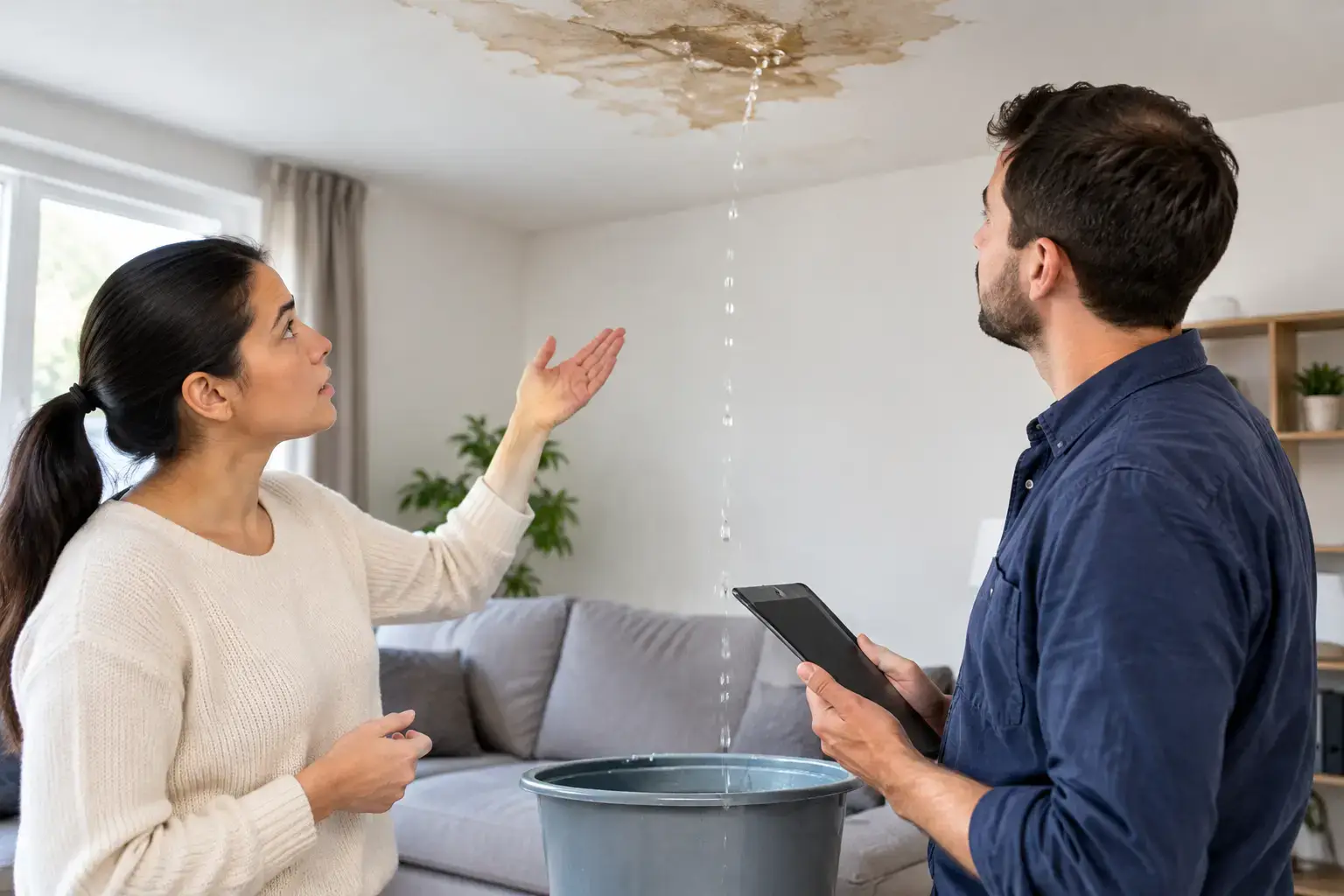
Tenants do not need to wait until a small leak becomes a major flood. Report visible water, dripping pipes, a leaking appliance connection, toilet overflow, roof leak, sewage backup, damp drywall, or a musty smell that may point to hidden moisture. Even when the source seems minor, water can travel behind walls, below flooring, and into neighboring units.

Use the emergency maintenance number listed in your lease or building notices if water is actively flowing, electrical areas are wet, or the problem could affect another unit. Follow that call with a written notice by email, text, or your building’s maintenance portal. Written notice creates a useful time-stamped record of what you found and whom you contacted.

For immediate danger, such as sparking outlets, a ceiling that appears ready to collapse, or contaminated water spreading through the home, move away from the area and contact emergency services when needed. Do not enter standing water near electrical equipment.

Tell the Right Person

A detached rental home may have a landlord, leasing agent, or designated maintenance company. In an apartment or condo rental, notify the landlord and the building’s property manager or concierge when building systems may be involved. A pipe inside a wall, a roof issue, or water traveling from another unit can require building access and coordination.

If your landlord does not answer, keep trying through every approved contact method in the lease. State the address, unit number, location of the water, when you first noticed it, whether it is still active, and whether anyone or anything is at risk. Short, factual messages help maintenance teams decide what access and equipment may be needed.

What Should a Tenant Do Before Help Arrives?

Your first job is safety, not cleanup. If it is safe and you know how, turn off a local shutoff valve for a sink or toilet leak. Place a container under a slow drip and move electronics, documents, medications, and furniture away from the affected area. Lift lightweight items off a wet floor if doing so will not strain you or spread contaminated water.

Do not use a household vacuum on standing water. Avoid touching water from a sewer backup, toilet overflow involving waste, or unknown source. That water may contain contaminants. Keep children and pets away, wash hands after contact with wet materials, and avoid using damaged electrical outlets or appliances.

You may blot a small area with clean towels after documenting it, but do not remove soaked carpet, open walls, or discard damaged items unless the landlord or emergency team directs you to do so. Removing materials too early can make the source harder to assess and may affect the owner’s repair records. It can also expose hidden mold or unsafe building materials in older properties.

Take Useful Damage Records

Clear records protect everyone involved. Take wide photos to show the room, then closer photos of wet baseboards, stains, flooring, furniture, and the apparent source. Capture short videos if water is dripping, pooling, or flowing. Include a photo of the time and date only if your device does not record that information automatically.

Keep copies of your messages, the date and time you reported the issue, and the names of people you spoke with. Make a simple list of damaged personal belongings with approximate purchase dates and values. Do not exaggerate losses or throw items away before taking photos, unless an item is unsafe or contaminated.

A restoration assessment can add practical details to the record. Moisture readings, photos of affected materials, equipment logs, cleanup notes, and repair estimates can help explain the condition of the property. These records do not determine insurance coverage. The insurer decides coverage under the relevant policy.

Who Pays for Water Damage in a Rental?

Responsibility depends on the cause, the lease, local tenancy rules, and insurance policies. A landlord commonly handles repairs to the building and its systems, such as plumbing inside walls, a failed roof, or a building drain issue. A tenant may be responsible for damage caused by carelessness, delayed reporting, or an action that created the leak.

Your personal property is separate from the building. Tenant insurance may help with damaged belongings or temporary living costs in some situations, but limits, exclusions, deductibles, and the cause of loss matter. Report the incident to your insurer if you have a policy, and provide accurate records. Do not assume that a building policy covers your belongings or that a tenant policy covers every water event.

In a condo, there may be several parties: the tenant, unit owner, property manager, condo corporation, and insurers. The fastest path is usually reporting the issue to both the landlord and building management, then allowing them to identify which area or system is affected.

When Is Professional Water Cleanup Needed?

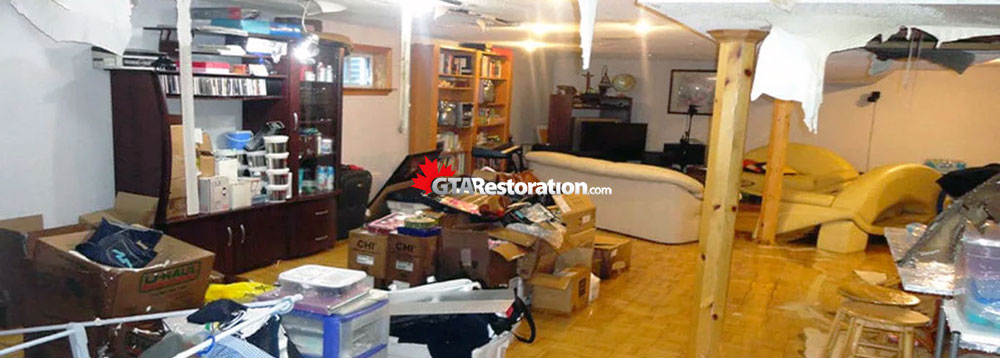
A mop and fan may be enough for a small, clean spill caught immediately. It is different when water reaches drywall, baseboards, flooring, cabinets, insulation, or several rooms. Moisture can remain in materials after surfaces look dry, which may lead to warping, odors, or mold growth.

Professional restoration support is especially useful after a burst pipe, flooded basement, appliance supply-line failure, sewer backup, ceiling leak, or water migration between units. The work normally begins with an assessment to locate affected materials and measure moisture. Technicians may extract water, set drying equipment, monitor moisture, remove unsalvageable materials when authorized, and document the work needed before repairs.

Tenants should not authorize major building repairs unless their lease or landlord gives them that authority. Instead, ask the landlord or property manager how access will be arranged and whether personal items need to be moved. If your unit cannot be safely occupied, follow the directions of the property owner, local authorities, and your insurer.

If the Landlord Delays

Keep your notices calm, detailed, and in writing. Send a follow-up that repeats the date first reported, the current condition, and any safety concern. Review your lease and the tenancy guidance for your province or territory before withholding rent, hiring your own contractor, or making major repairs. Those steps can have legal and financial consequences.

If water damage is worsening, explain that clearly in your follow-up. A concise report with photos is more useful than a long argument. Early notice, safe actions, and accurate records give everyone a better starting point for cleanup and repair.

Share this... Spread the word!


Restoration Support

Water can spread beyond the visible wet area. GTA Restoration can assess affected materials, document conditions, and support property managers, landlords, and tenants during approved cleanup work.

Emergency Water Assessment

An assessment identifies the water source, affected materials, visible risks, and access needs. Moisture readings can reveal water behind walls or under flooring.

Water Extraction

Extraction removes standing water from floors, carpets, and lower areas. Fast removal can reduce migration into nearby materials and units.

Structural Drying

Drying equipment targets moisture in building materials after extraction. Monitoring readings helps show whether materials are responding to the drying plan.

Leak Detection Support

Hidden leaks may continue feeding a wet area. Finding the source helps the owner arrange the right plumbing or building repair.

Sewage Backup Cleanup

Sewage-contaminated water requires controlled cleanup and careful handling. Keep people and pets away until qualified cleanup personnel assess the affected space.

Condo Water Damage Coordination

Condo leaks can involve common areas or another unit. Clear documentation helps building management, owners, and insurers review the incident.

Damage Documentation

Photos, moisture records, estimates, and work notes can support a claim or repair file. Insurers make their own coverage decisions.

Repair Planning

After drying and authorized removal, repairs may address drywall, flooring, trim, or other affected finishes. Scope depends on actual conditions and owner approval.

For water damage support in Toronto and the GTA, call GTA Restoration to discuss safe next steps and site access.

Call Us: 416-800-0000


GTA Service Centre


Frequently Asked Questions

Should I report a small leak in my apartment?

Yes. Report it promptly, even if you can contain it. Small leaks can soak hidden materials and become more expensive to repair.

Can a tenant call a restoration company directly?

A tenant can request advice, but the landlord or property manager usually authorizes building work. Emergency safety actions may require faster coordination.

What evidence should I keep after water damage?

Keep photos, videos, messages, dates, damaged-item notes, and receipts. These records help explain what happened without deciding liability or coverage.

Is a landlord responsible for my damaged belongings?

It depends on the cause, lease terms, and applicable tenancy rules. Tenant insurance may address personal belongings, subject to policy terms.

How long should I wait for a landlord to respond?

Active leaks and safety concerns need immediate follow-up through approved emergency contacts. Keep reporting changes in writing while protecting yourself safely.


Learn more ↴


Direct Billing & Insurance Claims

Ask your insurer about coverage, deductibles and the records it needs.


Payment options

In-House Financing Available

Financing up to 24 months. No interest. No money down. Ask us about the terms.


Certifications & Insurance

View our firm certification, technician qualifications and insurance documents.

IICRC Certified Firm

GTA Restoration Inc.

Firm number 199912
Valid through

View IICRC certificate (PDF) — opens in a new tab

Business Insurance

GTA Restoration Group Inc.

$5 million general liability per occurrence
$8 million contractors pollution per claim
–

View insurance certificate (PDF) — opens in a new tab

IICRC Technician Qualifications

Richard Mark Provence · Registration 55726
Certificate expires

Water Damage Restoration · Fire & Smoke Restoration · Applied Microbial Remediation · Odor Control · Trauma & Crime Scene

View technician verification (PDF) — opens in a new tab

Insurance is subject to policy terms, conditions and exclusions.


Emergency? Click to Call!