How to Get Rid of Black Mold in Toilet: Effective Tips and Tricks
How to Get Rid of Black Mold in Toilet
Are you dealing with black mold in your toilet? This common issue can be unpleasant and may indicate excess moisture or poor ventilation. In this article, you’ll learn how to identify black mold in your toilet, remove it safely, and reduce the chance of it returning.
Key Takeaways
- Black mold often develops in damp toilet bowls, tanks, and surrounding bathroom areas.
- High humidity, infrequent flushing, leaks, and organic buildup can contribute to recurring mold growth.
- Small visible patches may respond to regular cleaning, while persistent or widespread mold may require professional assessment.
Understanding Black Mold in Toilets
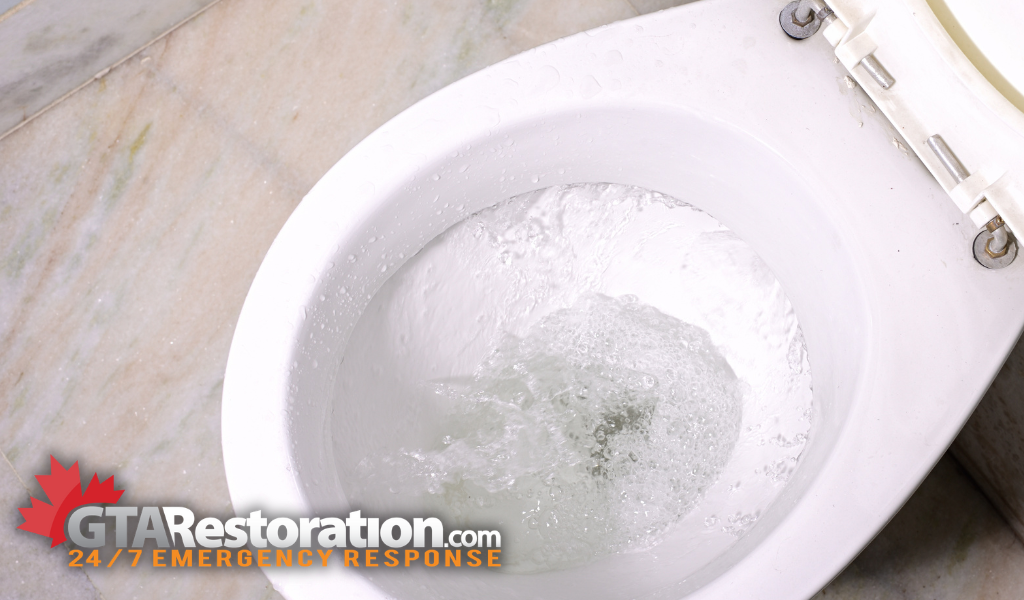
Dark mold-like growth can appear in toilet bowls, tanks, under the rim, and around the base where moisture remains present. However, appearance alone cannot confirm the exact species of mold.
Unused toilets with stagnant water may develop buildup more quickly. Therefore, regular flushing, cleaning, and ventilation can help reduce conditions that support mold growth.
In addition, leaks or ongoing condensation around the toilet can keep surrounding materials damp. Identifying and correcting the moisture source is an important part of long-term prevention.
Common Causes of Black Mold in Toilets
Toilets naturally contain moisture, and bathrooms may remain humid after showers or baths. As a result, poorly ventilated areas can create conditions that support mold or mildew.
Infrequent cleaning and flushing can also allow organic residue and mineral buildup to accumulate. Moreover, leaks around plumbing connections or the toilet base should be repaired promptly to reduce ongoing moisture.
Because several conditions can contribute to dark staining or mold-like growth, regular maintenance can make recurring problems easier to identify.
Identifying Black Mold in Your Toilet
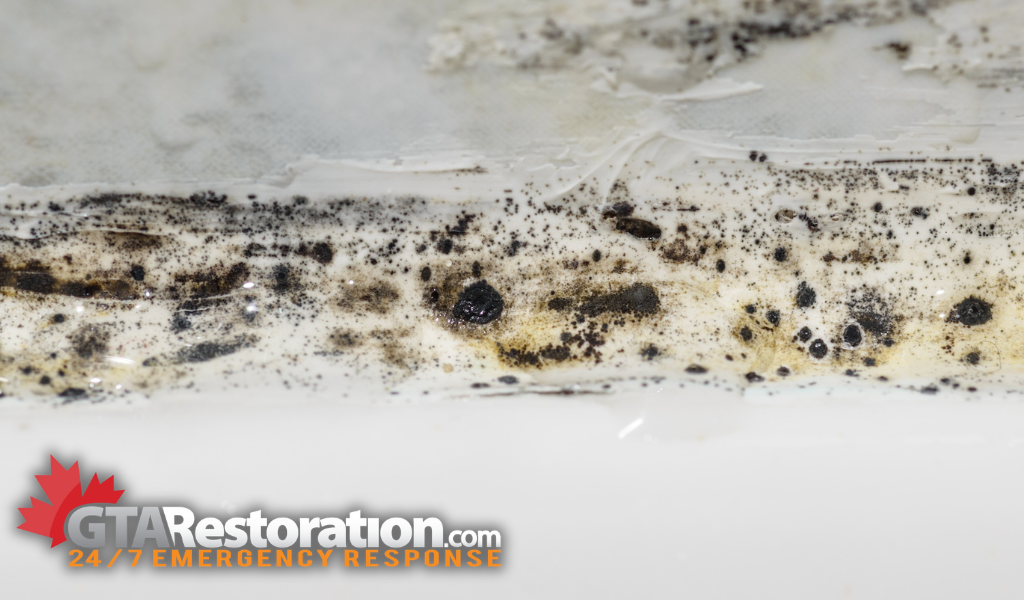
Dark growth may appear inside the tank, beneath the rim, along the bowl, or around the toilet base. For example, you may notice black, dark green, or gray patches in areas that stay damp.
However, mineral deposits and other staining can sometimes resemble mold. Therefore, persistent or widespread growth may require closer inspection rather than relying on appearance alone.
Health Risks Associated with Black Mold
Mold exposure may cause respiratory or allergy-like symptoms in some people, including coughing, wheezing, sneezing, or irritation. These concerns can be more important for infants, children, older adults, and people with weakened immune systems.
Removing mold without proper precautions can also disturb spores and spread contamination. Therefore, larger or recurring mold problems should be handled carefully.
Most importantly, ongoing moisture should be corrected. Addressing the source of dampness helps reduce the chance of mold returning after cleaning.
Effective Methods to Remove Black Mold
Small amounts of visible mold on non-porous toilet surfaces can often be cleaned with common household products. However, always follow product labels, ventilate the area, wear gloves, and never mix cleaning chemicals.
Using White Vinegar
White vinegar may help clean some surface mold and residue. First, apply it to the affected non-porous surface and allow it to sit for a period of time. Then, scrub the area with a toilet brush or suitable cleaning tool.
Afterward, rinse or flush the area thoroughly. Regular cleaning can help reduce recurring buildup.
Using a Bleach-Based Cleaner
Bleach-based cleaners may be suitable for some non-porous toilet surfaces. Therefore, follow the manufacturer’s dilution and safety directions rather than estimating a mixture.
Apply the product only as directed, allow the recommended contact time, and rinse thoroughly afterward. Most importantly, never mix bleach with vinegar, ammonia, or other cleaners.
Using Borax
Borax is another household cleaning option that may help with surface residue. Mix and use it according to the product instructions, then scrub the affected area thoroughly.
If the staining or mold-like growth keeps returning, the issue may involve ongoing moisture, leakage, or contamination beyond the visible surface.
Preventing Black Mold Recurrence
Preventing recurrence requires regular cleaning and better moisture control. For example:
- Clean the toilet bowl, rim, tank, and surrounding surfaces regularly.
- Flush rarely used toilets periodically.
- Repair leaks or cracks promptly.
- Use bathroom ventilation to reduce humidity.
- Monitor recurring stains or mold-like growth.
In addition, keep surrounding flooring and walls dry whenever possible. If mold repeatedly returns despite cleaning, investigate whether a hidden leak or moisture problem is contributing to the issue.
DIY vs. Professional Mold Remediation
Small surface growth on a toilet may be manageable with routine cleaning. However, professional mold remediation may be appropriate when mold keeps returning, spreads beyond the toilet, or affects porous building materials.
Professional assessment can also help identify hidden moisture sources and determine whether surrounding drywall, flooring, cabinetry, or other materials require attention.
If the mold problem is extensive or you are uncertain about the source, contact a qualified remediation professional before disturbing the affected area.
Summary
Black mold or dark mold-like growth in toilets is often associated with moisture, humidity, leaks, and buildup. Therefore, regular cleaning, proper ventilation, and prompt plumbing repairs are important for prevention.
For small surface issues, routine cleaning may be enough. However, recurring or widespread mold should be investigated to determine whether a deeper moisture problem is present.
Frequently Asked Questions
Why is black material forming in my toilet?
Dark staining may come from mold, mildew, mineral deposits, or other buildup. If the material keeps returning, investigate moisture levels, toilet use, ventilation, and possible leaks.
When should I hire a professional for mold removal?
Consider professional help when mold repeatedly returns, spreads beyond the toilet, affects porous materials, or appears connected to a hidden moisture problem.
Smoke Smell Emergency?
Call Today!
1-800-506-6048
Learn more ↴
Can Mold Return After Remediation?, What Is Black Mold? Symptoms, Prevention, and Solutions, A Homeowner Guide to Mold Remediation Steps, Why Does Basement Smell Musty? Find the Cause, Why Does Mold Keep Coming Back? For non-emergencies use our contact form
When DIY Mold Cleaning Isn’t Enough
Small toilet mold problems may respond to routine cleaning. However, recurring growth can indicate an underlying moisture issue, hidden leak, or contamination beyond the visible surface.
If mold has spread to walls, ceilings, grout, flooring, drywall, or areas behind fixtures, surface cleaning may not address the full problem. In addition, persistent musty odours can indicate hidden moisture or mold growth that requires further investigation.
GTA Restoration provides professional mold assessment and remediation services throughout Toronto and the GTA. If you need help with a recurring mold problem, call 416-800-0000.
Natural Cleaning Options for Small Surface Mold
Some property owners prefer household cleaning products such as white vinegar or baking soda for small visible areas on non-porous surfaces. These options may help remove surface residue when used correctly.
However, natural cleaning methods have limitations. They do not correct hidden leaks, excessive humidity, or mold growth inside porous building materials. Therefore, recurring mold should be treated as a moisture problem rather than only a cleaning problem.
Toilet Mold vs. Mildew
Mold and mildew are both types of fungi, and they can look similar on bathroom surfaces. Mildew often appears as a lighter surface growth, while mold may appear darker or more irregular.
However, visual appearance alone cannot reliably identify the exact type of fungal growth. As a result, the most important steps are controlling moisture, cleaning affected non-porous surfaces, and investigating recurring problems.
Need Professional Mold Remediation?
GTA Restoration provides mold inspection, remediation, moisture investigation, and restoration services throughout Toronto and the GTA.
Call 416-800-0000 for assistance.
Service Areas Across Canada
GTA Restoration serves communities across Canada, including Toronto and the GTA. U.S. locations are opening. Browse our Canadian service areas below, and contact us to confirm services and availability for your address.
Search
- Air Duct Cleaning Montreal
- Ajax Asbestos Removal
- Ajax Mold Removal
- Ajax Water Damage
- Asbestos Removal Calgary
- Asbestos Removal Edmonton
- Asbestos Removal Fort Saskatchewan
- Asbestos Removal Gloucester
- Asbestos Removal Grimsby
- Asbestos Removal Hamilton
- Asbestos Removal Kanata
- Asbestos Removal Kitchener
- Asbestos Removal Laval
- Asbestos Removal Lincoln
- Asbestos Removal Montreal
- Asbestos Removal Nepean
- Asbestos Removal Niagara Falls
- Asbestos Removal Orleans
- Asbestos Removal Ottawa
- Asbestos Removal Sherwood Park
- Asbestos Removal Spruce Grove
- Asbestos Removal St Catharines
- Asbestos Removal St-Albert
- Asbestos Removal Thorold
- Asbestos Testing Hamilton
- Asbestos Testing Montreal
- Asbestos Testing Petersburg
- Aurora Mold Removal
- Aurora Water Damage
- Beaconsfield Asbestos Removal
- Brampton Asbestos Removal
- Brampton Mold Removal
- Brampton Water Damage
- Burlington Asbestos Removal
- Burlington Mold Removal
- Burlington Water Damage
- Burst Pipe Montreal Frozen Pipe
- Burst Pipe Repair Edmonton
- Burst Pipe Repair Ottawa
- Caledon Mold Removal
- Caledon Water Damage
- Calgary Mold Removal
- Calgary Water Damage
- Cambridge Mold Removal
- Cambridge Water Damage
- Clarington Mold Removal
- Concord Mold Removal
- Concord Water Damage
- Cooksville Mold Removal
- Edmonton Water Damage
- Emergency Roofing Vancouver
- Etobicoke Asbestos Removal
- Etobicoke Mold Removal
- Etobicoke Water Damage
- Fire Damage Grimsby
- Fire Damage Lincoln
- Fire Damage Niagara Falls
- Fire Restoration Fort McMurray
- Fire Damage Restoration Thorold
- Fire Damage St Catharines
- Flood Cleanup Grimsby
- Flood Cleanup Lincoln
- Flood Cleanup Niagara Falls
- Flood Cleanup St Catharines
- Flood Cleanup Thorold
- London Mold Removal
- London Water Damage
- Markham Asbestos Removal
- Markham Mold Removal
- Markham Water Damage
- Mississauga Asbestos Testing
- Mississauga Mold Removal
- Mississauga Water Damage
- Mold Inspection Removal Kitchener
- Mold Remediation Montreal
- Mold Removal & Inspection LaSalle
- Mold Removal Anjou
- Mold Removal Boucherville
- Mold Removal Brossard
- Mold Removal Burnaby
- Mold Removal Chambly
- Mold Removal Chateauguay
- Mold Removal Chomedey
- Mold Removal Coquitlam
- Mold Removal Dollard Des Ormeaux
- Mold Removal Dorval
- Mold Removal Edmonton
- Mold Removal Fort Saskatchewan
- Mold Removal Gloucester
- Mold Removal Grimsby
- Mold Removal Hamilton Inspection
- Mold Removal Ile Bizard
- Mold Removal in Osgoode
- Mold Removal Beaconsfield
- Mold Removal Kahnawake
- Mold Removal Kanata
- Mold Removal Kirkland
- Mold Removal Laval
- Mold Removal Lincoln
- Mold Removal Longueuil
- Mold Removal Montreal East
- Mold Removal Mount Royal
- Mold Removal Nepean
- Mold Removal New Westminster
- Mold Removal Niagara Falls
- Mold Removal Orleans
- Mold Removal Ottawa
- Mold Removal Cumberland
- Mold Remediation Hampstead
- Mold Removal Remediation Roxboro
- Mold Removal Richmond BC
- Mold Removal Rideau Lakes
- Mold Removal Rockcliffe Park
- Mold Removal Saint Hubert
- Mold Removal Saint Laurent
- Mold Removal Sherwood Park
- Mold Removal Spruce Grove
- Mold Removal St Catharines
- Mold Removal Ste Dorothee
- Mold Removal St۔ Albert
- Mold Removal Surrey
- Mold Removal Thorold
- Mold Removal Vancouver
- Mold Removal Vanier
- Mold Removal Westmount
- Montreal Biohazard Cleanup
- Montreal Emergency Plumber
- Montreal Fire Restoration
- Montreal Flood Cleanup
- Montreal Odor Removal
- Montreal Roofing Emergency
- Montreal Sewer Backup Cleanup
- Montreal Water Leak Detection
- Montréal Asbestos Removal
- Montréal Emergency Plumbing
- Montréal Mold Removal
- Montréal Pipe Burst Emergency
- Montréal Water Damage
- Newmarket Mold Removal
- Newmarket Water Damage
- North York Mold Removal
- Oakville Mold Removal
- Oakville Water Damage
- Oshawa Mold Removal
- Oshawa Water Damage
- Ottawa Air Duct Cleaning
- Pickering Mold Removal
- Pickering Water Damage
- Red Deer Water Damage
- RedDeer Mold Removal
- Richmond Hill Mold Removal
- Richmond Hill Water Damage
- Roof Repair Lincoln
- Roof Repair Niagara Falls
- Roof Repair St Catharines
- Scarborough Asbestos Removal
- Scarborough Mold Removal
- Scarborough Water Damage
- Sewage Cleanup Edmonton
- Sewer Backup Lincoln
- Sewer Backup Niagara Falls
- Sewer Backup Ottawa
- Sewer Backup St Catharines
- Thornhill Mold Removal
- Toronto & GTA Asbestos Removal
- Toronto & GTA Mold Removal
- Toronto Air Duct Cleaning
- Toronto Water Damage
- Unionville Mold Removal
- Unionville Water Damage
- Vancouver Asbestos Removal
- Vancouver Biohazard Cleanup
- Vancouver Emergency Plumber
- Vancouver Emergency Plumbing
- Vancouver Fire Restoration
- Vancouver Flood Cleanup
- Vancouver Mold Removal
- Vancouver Odor Removal
- Vancouver Pipe Burst Emergency
- Vancouver Sewer Backup Cleanup
- Vancouver Water Damage
- Vancouver Water Leak Detection
- Vaughan Mold Removal
- Vaughan Water Damage
- Vermiculite Removal Ottawa
- Water Damage Grimsby
- Water Damage Kanata
- Water Damage Kitchener
- Water Damage Lincoln
- Water Damage Longueuil
- Water Damage Nepean
- Water Damage Niagara Falls
- Water Damage Orleans
- Water Damage Ottawa
- Water Damage Repair Montreal
- Water Damage Laval Montreal
- Water Damage Restoration Thorold
- Sewage Backup Cleanup Montreal
- Water Damage St Catharines
- Water Damage Vancouver
- Water Flood Damage Repair Hamilton
- Flood Damage Repair Hampstead
- Whitby Water Damage
- Woodbridge Asbestos Removal
- Woodbridge Mold Removal
- Woodbridge Water Damage
- Restoration Equipment Rental
Restoration Questions
Where are your services available?
GTA Restoration serves communities across Canada, including Toronto and the GTA. U.S. locations are opening. Tell us the property address so we can discuss the work needed and confirm current availability.
What should I tell the team first?
Describe what happened, when you noticed it and which rooms are affected. Mention any active leak or access restrictions. These details help us discuss the next step and confirm availability.
How is the drying plan decided?
The water source, affected materials and moisture readings help guide the plan. Equipment needs can change as work progresses. Ask how the team will check conditions before repairs cover the affected area.
Can restoration work be covered by insurance?
Coverage depends on your policy and the cause of the damage. Your insurer decides the claim. Keep photos, dates and receipts, and ask which records are needed before agreeing to the work.
Who can I call about urgent damage?
Call the phone number shown on this page for 24/7 restoration help. Explain the problem and ask about availability. If there is immediate danger, contact emergency services and follow their directions.
Learn more ↴ 
Latest Articles
Direct Billing & Insurance Claims
Ask your insurer about coverage, deductibles and the records it needs.

In-House Financing Available
Financing up to 24 months. No interest. No money down. Ask us about the terms.
Certifications & Insurance
View our firm certification, technician qualifications and insurance documents.

IICRC Certified Firm
GTA Restoration Inc.
Firm number 199912
Valid through
Business Insurance
GTA Restoration Group Inc.
$5 million general liability per occurrence
$8 million contractors pollution per claim
–
IICRC Technician Qualifications
Tony Sokol T. Lleshi · Registration 214520
Valid through
Water Damage Restoration · Fire & Smoke Damage Restoration · Applied Microbial Remediation · Odor Control · Trauma & Crime Scene
View technician verification (PDF) — opens in a new tabInsurance is subject to policy terms, conditions and exclusions.
 Facebook
 Instagram
 LinkedIn
 X / Twitter
 YouTube