A washing machine hose can split behind the unit long before water reaches the kitchen. Knowing how to isolate appliance leaks quickly can limit spread, protect electrical areas, and give a restoration team a clearer starting point. Your first goal is not a perfect repair. It is to stop the water safely and prevent further damage.
Start with safety, then stop the water
If water is near an outlet, power bar, appliance cord, electrical panel, or ceiling light, do not step into the wet area. Avoid touching the appliance or electrical controls. If you can safely reach the main electrical panel from a dry location, turn off power to the affected circuit. When that is not safe or clear, leave the area and call for qualified help.
Next, stop the water source. Many appliances have a nearby shutoff valve. For a washing machine, these are usually hot and cold supply valves behind the machine. A dishwasher often has a shutoff valve under the kitchen sink. Refrigerator water lines may have a small valve behind the refrigerator, under the sink, or in a basement utility area.
Turn the valve clockwise until it stops. Do not force a stuck or corroded valve, as it can break and worsen the leak. If the local valve will not close, use the home or unit’s main water shutoff. Property managers should ensure staff know its location before an emergency occurs.
Identify where the appliance is leaking
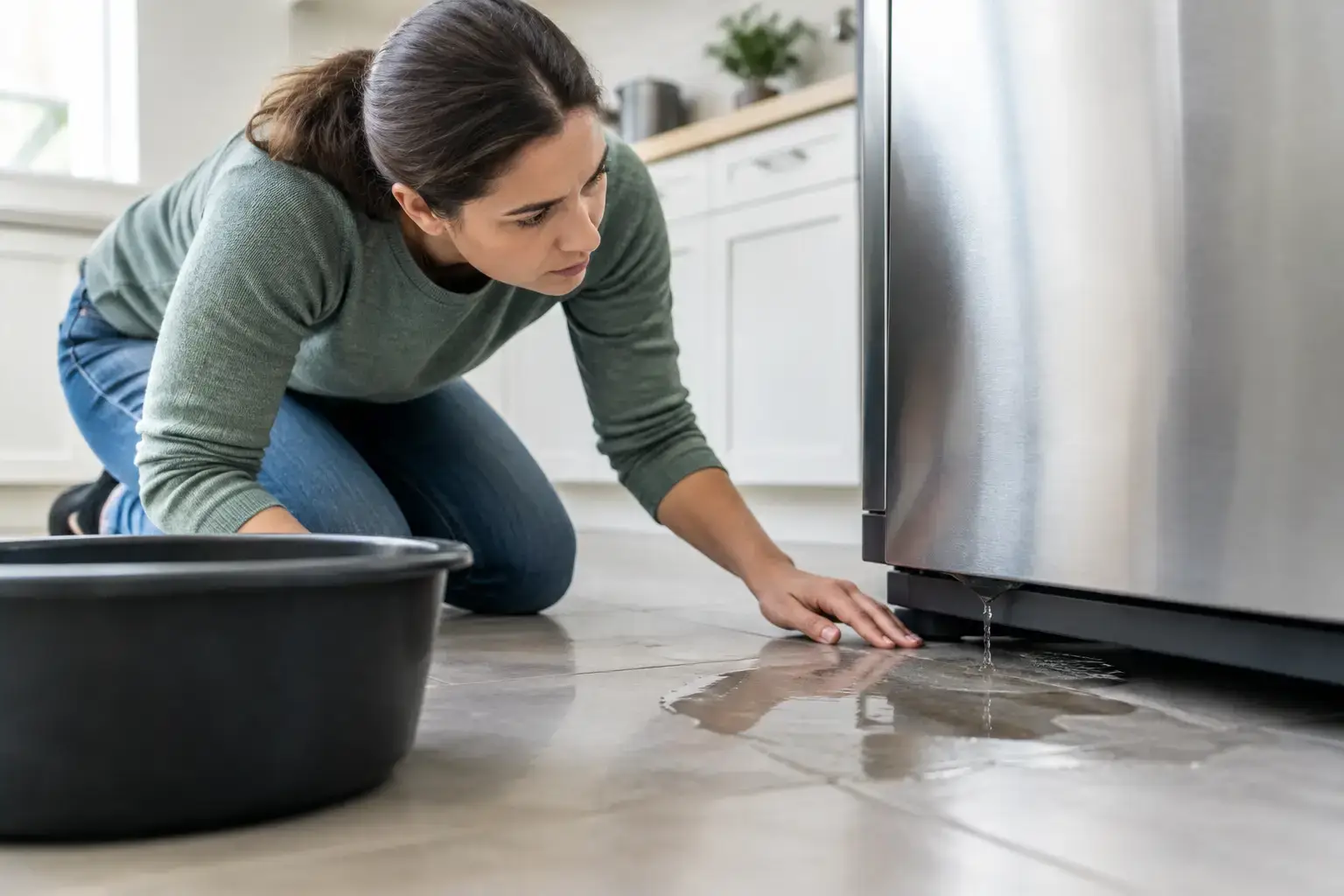
Once the flow has stopped, look without moving wet appliances or pulling them from the wall. The visible puddle is not always the source. Water can travel along cabinets, flooring seams, pipes, and joists before appearing elsewhere.
Check for obvious signs: a loose supply hose, water at a door seal, a cracked drain hose, an overflowing drip pan, or water below the appliance after a cycle. A dishwasher leak may come from its door gasket, water supply connection, drain line, or a failed internal part. A refrigerator can leak from its ice maker line, defrost drain, water filter housing, or condensation pan.
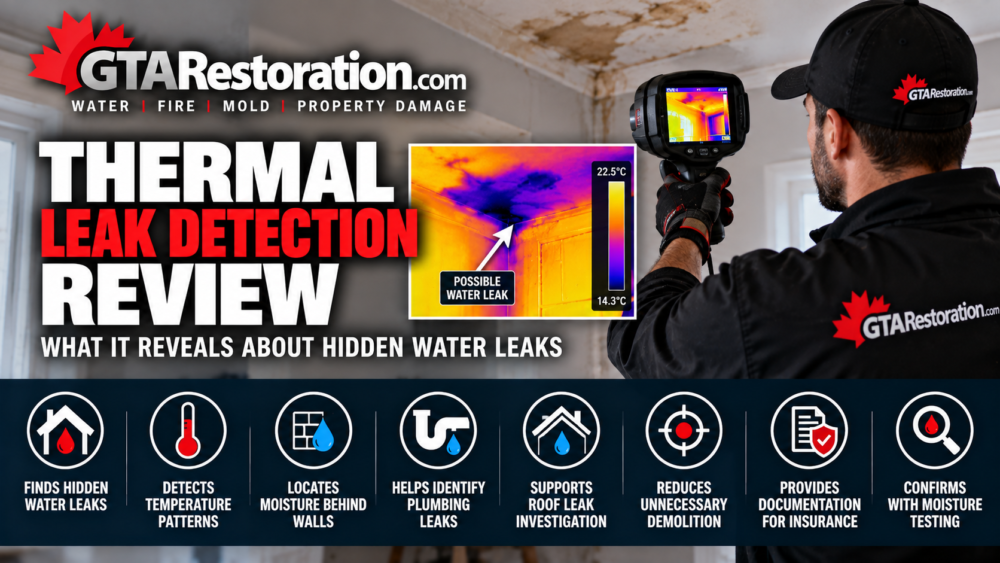
Do not run another cycle to test the appliance. That can add water behind walls or under finished flooring. If the cause is uncertain, keep the appliance off and arrange a plumbing or appliance repair assessment. Leak detection may also be needed when water appears away from the appliance or returns after the supply is isolated.
Know the difference between a supply and drain leak
A supply leak may continue even when the appliance is not running because pressurized water remains in the line. A drain leak often appears only while the appliance fills, drains, or discharges. This distinction helps explain the problem, but it does not replace an inspection.
For a washing machine, close both supply valves and unplug it only after power has been safely isolated. For a dishwasher, close the water valve and avoid opening the electrical junction area. For a refrigerator, close the water line valve and protect nearby flooring from drips as ice melts.
Contain water without creating new risks
After isolating the source, remove standing water only if the area is safe. Use towels, a mop, or a wet vacuum designed for water pickup. Move dry, lightweight items away from the affected area. Place towels at doorways or floor transitions to slow movement into adjacent rooms.
Do not use a household vacuum on water. Do not use fans where water may contact electrical equipment. Avoid lifting heavy appliances, especially on wet tile or vinyl, as they can shift unexpectedly. If water has entered a wall, cabinet base, ceiling, or flooring system, surface drying alone may not reach trapped moisture.
In a condo, notify building management as soon as practical. Water can pass into suites below through pipe openings, slab edges, and service shafts. Management may need to coordinate access, inspect common elements, or document the event. Tenants should also notify their landlord or property manager promptly.
Document the leak before cleanup hides it
Take clear photos and short videos of the appliance, visible water, wet materials, and the shutoff valve position. Record the date, time discovered, appliance type, and whether it was operating. Keep damaged hoses, fittings, or components if they can be removed safely by a qualified person.
Useful records may include moisture readings, photos of affected materials, drying logs, invoices, and repair estimates. GTA Restoration can provide documentation from its assessment and restoration work. These records can support a claim, but your insurer decides coverage based on your policy, cause of loss, and available evidence.
Avoid throwing away damaged materials before they are documented unless they create a health or safety concern. If sewage, gray water, mold growth, or contaminated floodwater is involved, keep people and pets away and seek professional cleanup support.
When appliance water damage needs professional drying
A small leak caught immediately on a sealed floor may only require careful cleaning and monitoring. The situation changes when water has reached baseboards, drywall, cabinet interiors, insulation, engineered flooring, carpeting, or a ceiling below. These materials can retain moisture out of sight.
A restoration assessment may include locating affected areas, checking material conditions, measuring moisture, identifying items that can be dried, and setting up drying equipment where appropriate. The approach depends on the amount of water, how long it was present, the materials involved, and whether contamination is present.
Prompt extraction and controlled drying can help reduce secondary damage, but no one should promise a specific drying result before inspecting the property. Repairs may be needed after drying, such as replacing damaged drywall, baseboards, cabinet components, or flooring.
Prevent the next appliance leak
Supply hoses deserve regular attention. Look for rusted fittings, bulges, cracking, kinks, or corrosion. Do not push a washing machine tightly against its hoses. Replace damaged hoses and have aging connections assessed rather than waiting for a visible failure.
Clean appliance filters and drains according to the manufacturer instructions. Check beneath the dishwasher and refrigerator periodically, especially after moving them or replacing a water filter. If an appliance has leaked once, do not assume the issue is solved because the floor looks dry. Monitor the area for odors, swelling materials, stains, or recurring moisture.
A fast shutoff protects the property, but careful assessment protects what you cannot see. When water has moved beyond the immediate appliance area, get help before hidden moisture turns a manageable leak into a larger repair.
GTA Restoration serves communities across Canada, including Toronto and the GTA. U.S. locations are opening. Browse our Canadian service areas below, and contact us to confirm services and availability for your address.