
Tags: Cleanup, Drying, Moisture, Waterproofing, Wet Basement,
For non-emergencies use our contact form


Emergency? 24-Hours
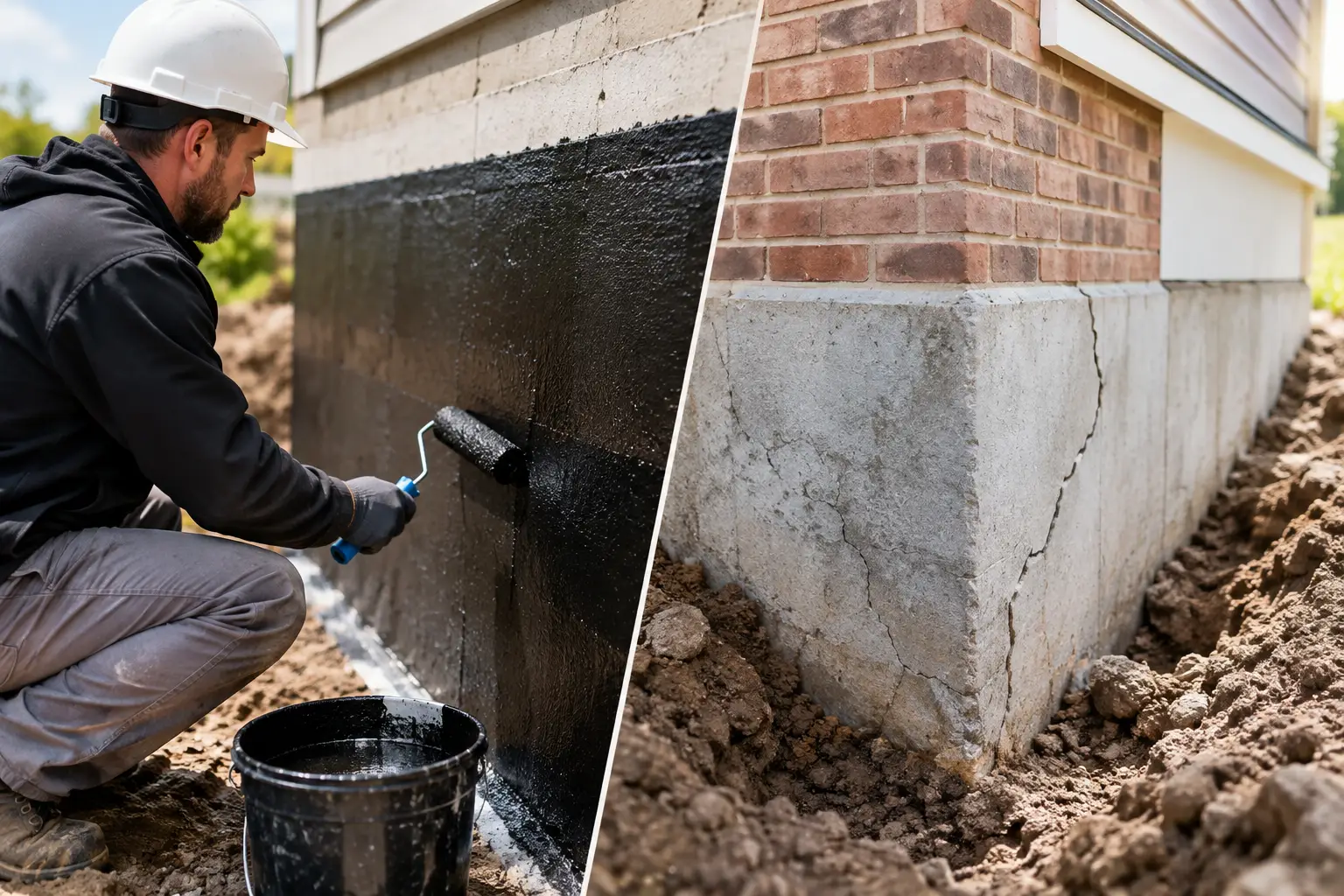
416-800-0000Once you compare waterproofing vs foundation repair, plan for the wet areas too. GTA Restoration helps with cleanup, drying and damage records while you arrange repairs to the cause.
Keep clear of water near electrical equipment, sewage and damaged walls. Safe access comes before cleanup or moving wet contents.
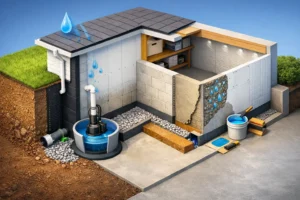
Once the area is safe, remove standing water so the team can assess the floor and nearby materials. The water source guides the cleanup method.
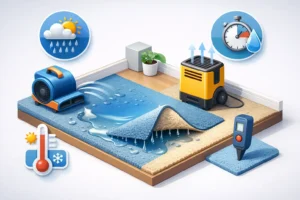
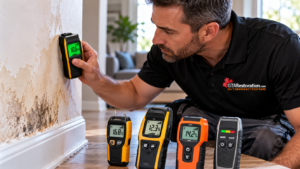
Drying equipment helps manage damp air and wet surfaces. Moisture checks help track progress where water may remain out of sight.
A wet patch may come from a pipe, a wall opening or poor drainage. Tell the team when it appears and what changes after rain.
Photos, readings and notes help explain which areas were wet. Keep the records with your estimates and any reports about the foundation.
Some drywall, carpet or insulation may need removal. The decision depends on the water source, damage and whether the material can be cleaned and dried.
A musty smell or ongoing dampness needs attention before walls close. Ask for a review of the affected area rather than covering the signs.
Move dry items away from wet walls when safe. Photograph damaged belongings and ask your insurer what records to keep before disposal.
Bring the drying records and crack assessment together before rebuilding. A clear scope helps you understand which work addresses water and which addresses structural damage.
For basement cleanup and drying support in Toronto and the GTA, tell us what happened and which areas are affected.
Service Areas Across Canada
GTA Restoration serves communities across Canada, including Toronto and the GTA. U.S. locations are opening. Browse our Canadian service areas below, and contact us to confirm services and availability for your address.
Search
It depends on the cause. A stable crack that leaks may need sealing and drainage work. A growing crack or moving wall needs structural review.
Note whether it follows rain, snowmelt or plumbing use. Photos and moisture checks can help trace the source; the wet spot alone may not reveal it.
Arrange safe water removal and drying while the cause is assessed. Keep out of unsafe areas, and coordinate cleanup with any urgent structural work.
Your insurer decides based on the cause, policy and exclusions. Keep photos, estimates and work records, then ask about your specific loss.
Photograph it from a safe spot and note any change. Seek prompt professional advice if it grows, leaks or appears with movement in the wall.
Direct Billing & Insurance Claims
Ask your insurer about coverage, deductibles and the records it needs.

In-House Financing Available
Financing up to 24 months. No interest. No money down. Ask us about the terms.
Learn more ↴ 
RELATED ARTICLES





Call Us 416-800-0000
Emergency? 24/7 Restoration Help
We cover all GTA 24/7.
Head Office:
250 Consumers Rd,
#10
Toronto, ON
M2J 4V6,
Open 24 hours
Downtown Office:
1 Toronto St,
#10
Toronto, ON
M5W 1A1,
Open 24 hours
For non-emergencies use our contact form
Not sure what you need?
Call us today to find the best product for your situation.
Head Office:
101 Lebovic Ave,
Unit #10
Scarborough,
ON, M1L 4T7
Hours
24-Hours Open
Downtown Office:
250 Yonge Street,
Unit #1A
Toronto,
ON, M5B 2L7
Hours
24-Hours Open
Waterproofing vs Foundation Repair: Which First?
Get a quote today


