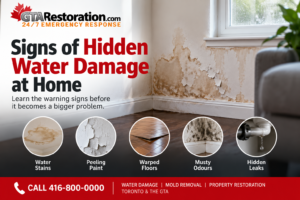
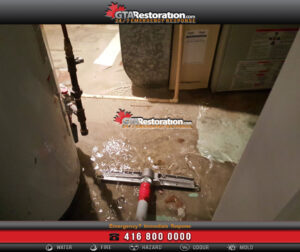
A few inches of water in a crawl space can turn into a much bigger problem than most property owners expect. Crawl space water cleanup is not just about pumping water out and hoping the area dries on its own. Moisture gets trapped under the structure, wood absorbs it, insulation collapses, odors spread upward, and mold can start growing fast.
For homeowners, landlords, and property managers, the real risk is delay. What looks like a contained issue below the floor can affect indoor air quality, framing, subfloors, electrical components, and even insurance documentation if the source is not identified properly. The right response is fast, controlled, and focused on both cleanup and cause correction.
Why crawl space water is a high-risk problem
A crawl space is enclosed, dark, and hard to ventilate. That combination makes standing water and heavy moisture especially dangerous. Even a minor leak can stay hidden long enough to damage joists, attract pests, and create conditions for mold growth.
In many buildings, air from the crawl space moves upward into occupied rooms. That means damp soil, wet insulation, sewage-contaminated water, or mold growth below the structure can affect the space above it. Occupants may notice musty odors, cold floors, warped materials, or worsening allergy symptoms before they ever see the source.
There is also a structural concern. Prolonged moisture can weaken wood framing and corrode metal components. In cold weather, trapped water can freeze and expand. In warmer periods, humidity can stay elevated for days or weeks if the area is not dried with commercial equipment.
The most common causes of crawl space flooding
The cleanup process depends heavily on where the water came from. Rainwater intrusion, plumbing leaks, failed sump systems, groundwater pressure, sewer backups, and poor grading can all lead to standing water under a building. Each source carries a different level of contamination and requires a different restoration approach.
Clean water from a supply line break is serious, but it is handled differently from gray water coming from appliances or black water from sewage. If the crawl space was flooded by a sewer backup or stormwater carrying contaminants, the area must be treated as a health hazard. That changes everything from PPE requirements to material removal and sanitizing procedures.
Sometimes the source is obvious, such as a burst pipe. Often it is not. Water may be entering through foundation cracks, open vents, disconnected downspouts, failing drainage systems, or a slow plumbing leak that only appears under pressure. Without source detection, cleanup becomes temporary.
What to do first when you find water in the crawl space
The first step is safety. Do not enter a flooded crawl space if there is any chance of electrical exposure, contaminated water, or compromised structural materials. Low-clearance spaces can also have poor air quality, sharp debris, and hidden trip hazards. If there is active flooding, shut off the water supply if it is safe to do so.
Next, document what you see. Photos and video help with insurance claims and establish the condition of the space before work begins. If the water level is rising or the source is unknown, fast professional assessment matters. Waiting a day to see if it improves on its own usually makes the damage worse.
What should not happen is a partial cleanup. A shop vacuum and a fan may remove some visible water, but they do not solve trapped moisture in wood, insulation, or subfloor cavities. They also do not address contamination.
How professional crawl space water cleanup works
Effective crawl space water cleanup follows a sequence. First comes hazard assessment and source control. If a pipe is leaking, plumbing repairs must happen. If groundwater intrusion is the issue, the restoration team needs to identify where water is entering and whether drainage or waterproofing corrections are needed.
Once the source is stabilized, standing water is extracted using pumps, vacuums, or specialized low-clearance equipment. In a tight crawl space, access itself can slow the job down. That is one reason speed matters. The earlier the response, the less water has time to spread into insulation, framing, and surrounding materials.
After extraction, wet debris and unsalvageable materials are removed. This often includes damaged vapor barriers, soaked insulation, contaminated contents, and in some cases portions of deteriorated wood or drywall if the crawl space connects to finished areas. If the water was contaminated, removal standards are stricter.
Drying is the stage many people underestimate. A crawl space rarely dries well with passive airflow. Commercial air movers, dehumidifiers, moisture meters, and thermal imaging are typically needed to confirm that the area is not just dry on the surface, but dry within structural materials. Without that verification, mold growth can begin after the crew leaves.
Cleaning and sanitizing come next. Depending on the source of loss, antimicrobial treatment, odor control, and HEPA filtration may be necessary. If there has been sewage exposure or long-term water damage, mold remediation protocols may also be required.
When cleanup turns into restoration
Not every crawl space flood ends with drying alone. If insulation is saturated, subfloor materials are compromised, or mold has spread, the job moves beyond emergency extraction into repairs and restoration.
This is where coordination matters. Property owners often lose time when they have to call one company for emergency pumping, another for plumbing, another for mold remediation, and another for reconstruction. In a water emergency, that handoff process can delay containment and increase total loss.
A full-service response is especially valuable in multi-unit buildings, rental properties, and commercial settings where speed affects more than one occupant. The issue below one section of a property can quickly impact tenant comfort, indoor air quality, and operating continuity above it.
Can you handle crawl space water cleanup yourself?
It depends on the source, the amount of water, and how long it has been there. If it is a very small amount of clean water from a known cause that was corrected immediately, a limited DIY response may be possible. Even then, moisture detection is the challenge. Most property owners do not have the equipment to confirm that framing and insulation are dry.
Professional help is the safer choice when the water is more than minor, when the source is unknown, when the crawl space is hard to access, or when there is any sign of contamination, odor, mold, or structural deterioration. The same applies if the property is occupied by tenants or used for business. Liability changes the equation.
The hidden cost of a DIY approach is often repeat damage. If damp insulation is left in place or groundwater entry is missed, the problem comes back. Then the second cleanup is larger, more expensive, and harder to explain to an insurer.
Preventing the next crawl space flood
Good cleanup should lead directly into prevention. Otherwise, you are paying to restore the same area twice. Prevention may involve plumbing repairs, drainage improvements, sump pump replacement, foundation sealing, vapor barrier installation, or crawl space waterproofing.
Exterior grading is one of the most overlooked issues. If water drains toward the building, the crawl space will keep taking on moisture during storms. Gutters, downspouts, and perimeter drainage all matter. Inside the crawl space, proper vapor control and monitored humidity levels help prevent recurring dampness even after the initial flooding is resolved.
Regular inspections also make a difference. Property owners tend to ignore crawl spaces because they are inconvenient to access, but that is exactly why small leaks become major losses. A scheduled inspection can catch early warning signs like rusted pipes, soft insulation, staining, condensation, or musty odor before standing water develops.
Why response time matters
Water damage does not stay in one place. In the first hours, it spreads across low points and into absorbent materials. After that, humidity rises, contamination worsens, and microbial growth becomes more likely. In confined spaces, the drying window is short.
That is why emergency restoration companies treat crawl space flooding as a time-sensitive event, not a routine cleanup task. A fast response protects structure, limits demolition, improves documentation, and shortens downtime for the people using the property. For owners dealing with tenants, customers, or insurers, that speed can make the entire recovery process more manageable.
At GTA Restoration, the focus in these situations is simple: stop the source, remove the water, dry the structure properly, and address whatever caused the problem so the property is safer when the job is done than it was before the loss.
If you have water under your property, the best next step is not to wait for it to evaporate. The best next step is to treat it like the structural and health issue it can quickly become.