...
Condo Flood Responsibility After Water Damage

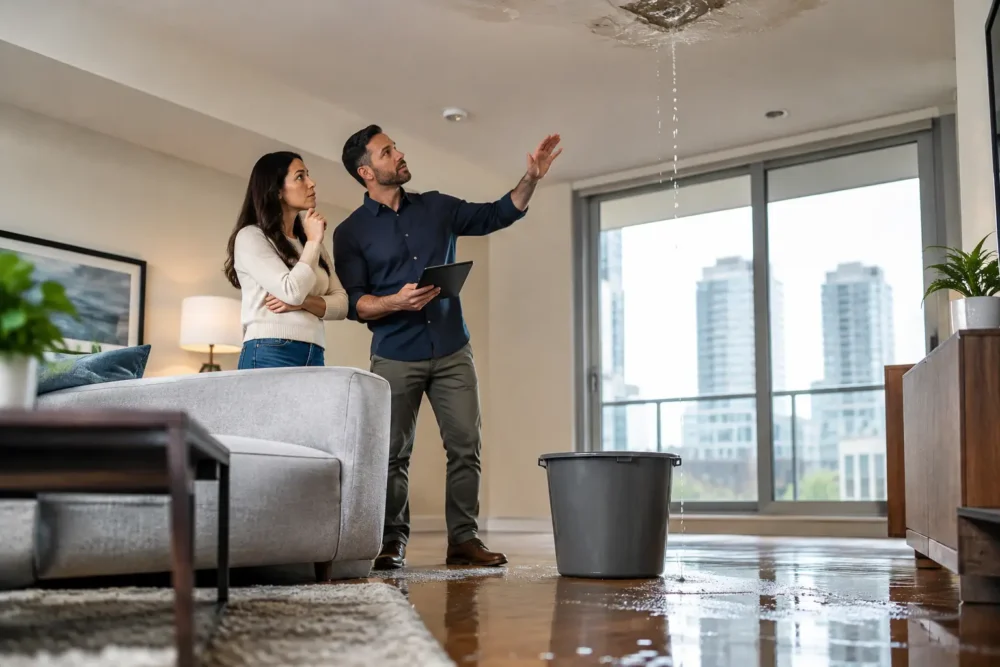
A leak from one condo can spread through ceilings, walls, hallways, and several units before anyone sees the full damage. Condo flood responsibility is rarely decided by the unit where water first appears. The source, the damaged property, the condo documents, and each insurance policy can all matter.

Why Condo Flood Responsibility Is Not Always Simple

A condo has shared systems and privately owned space in the same building. That split creates uncertainty after a flood. A pipe inside a unit may serve only that unit, or it may connect to a common plumbing riser. Water may enter through a roof, a failed window, a dishwasher hose, a toilet backup, or an upstairs fixture.

Responsibility often depends on the condo declaration, bylaws, rules, and applicable provincial law. These documents usually define the unit boundary, common elements, and maintenance duties. A lease can also affect a tenant’s duties to report damage quickly, while a landlord may remain responsible for repairs to the unit.

Do not assume the person who caused the visible leak will pay every cost. A board or condominium corporation may have obligations for common elements. An owner may have obligations for improvements inside a unit. An insurer decides what a policy covers and whether deductibles, exclusions, or liability issues apply.

First Steps After a Condo Flood

Protect people before property. If water is near electrical equipment, outlets, or appliances, avoid the area and notify building management immediately. Do not touch standing water if you suspect an electrical hazard. If the water may contain sewage, wear appropriate protection, keep people and pets away, and avoid spreading contamination through the building.

Stop the water if it is safe

Turn off the local fixture valve only when you can do so safely. If you cannot find the source, contact building management or emergency plumbing support. Do not open walls, remove ceiling sections, or shut off a building-wide valve without authorization unless there is an immediate safety concern.

Report the incident promptly

Notify the property manager, board contact, superintendent, or emergency building contact. Give clear details: the unit number, when the water was found, where it appears, whether it is still flowing, and whether other units may be affected. Prompt reporting helps management protect shared areas and arrange access.

Record what you can see

Take dated photos and short videos before moving damaged belongings, when safe. Capture the suspected source, wet flooring, ceilings, walls, furniture, and affected personal items. Keep a simple timeline with calls made, people notified, entry times, and any steps taken to limit damage.

What Documents Can Help Determine Responsibility?

The condo declaration and current bylaws are usually the starting point. They may describe what belongs to the unit, what counts as a common element, and who maintains plumbing, windows, balconies, or other building components. Some condos also have standard-unit definitions that affect how repairs and insurance deductibles are handled.

Owners should also review their insurance policy, including water damage coverage, deductibles, loss assessment coverage, and upgrades or improvements coverage. Tenants should review renters insurance for personal property and additional living expense coverage. Property managers can help coordinate records and access, but they do not decide private insurance coverage.

Keep copies of incident reports, emails, invoices, photos, moisture readings, repair estimates, and receipts for emergency purchases. These records do not determine fault on their own, but they can give insurers and property representatives a clearer account of the damage and response.

The Difference Between Cleanup, Repairs, and Insurance

Emergency cleanup should not wait for a final coverage decision when water is actively damaging the property. The first goal is to remove water, protect unaffected areas, and dry materials that can be saved. Delays can increase damage and create conditions that support mold growth.

A restoration assessment can identify where moisture has traveled beyond visible surfaces. Technicians may use moisture meters and thermal imaging as screening tools, then document readings and affected materials. Drying equipment, controlled demolition, cleaning, and odor control may be needed depending on the water source and extent of damage.

Repairs come after the area is dry and the scope is understood. They may include drywall, insulation, flooring, baseboards, cabinetry, or ceiling finishes. The party arranging repairs should confirm building access rules, approved work hours, elevator procedures, and any contractor requirements before work begins.

When the Condo Corporation May Be Involved

The condo corporation or board may need to address water that originates from common elements or damages common areas. Examples can include a roof leak, a shared plumbing line, or a failure in a building mechanical system. The facts and governing documents matter more than assumptions based on where water appeared.

Building management may also need access to neighboring units to trace the source and reduce further damage. Owners and tenants should cooperate with reasonable emergency access requests while protecting personal information and belongings. Ask for written updates when practical, especially if your unit will remain inaccessible.

Avoid Common Mistakes After Water Damage

Do not throw away damaged items before documenting them unless they create a health or safety risk. Avoid running fans over possible sewage water, as this may spread contamination. Do not paint over damp walls or reinstall flooring before moisture checks show the materials are ready for repair.

It also helps to keep communication factual. Describe what you saw, when you discovered it, and what action you took. Avoid assigning blame before the source investigation, building review, and insurance assessment are complete.

When water moves between units, clear records and quick drying protect more than finishes. They help everyone involved make informed decisions while the responsibility question is being sorted out.

Share this... Spread the word!


Restoration Support

Water can move behind finished surfaces quickly. Restoration support focuses on safe assessment, documented drying, and practical coordination with your building team.

Emergency Water Assessment

A technician can inspect visible damage, identify likely moisture paths, and document conditions for owners, managers, and insurance discussions.

Moisture Detection and Readings

Moisture meters and thermal imaging can help locate damp materials beyond the visible stain. Findings guide a focused drying plan.

Water Extraction

Prompt extraction removes standing water from floors and contents. It can reduce migration into lower units, walls, and shared corridors.

Controlled Drying Setup

Air movement and dehumidification support drying after the source is controlled. Equipment placement must respect condo access and electrical safety.

Sewage Backup Cleanup

Sewage-contaminated water needs specialized cleaning and disposal steps. Keep occupants away until the affected area has been assessed and contained.

Leak Source Coordination

Restoration work addresses damage after water escapes. Building management or qualified plumbing support may need to locate and correct the source.

Damage Documentation

Photos, moisture readings, equipment logs, and work records can support clear communication. Insurers decide policy coverage and claim outcomes.

Condo Repair Planning

Once materials are dry, repairs can be scoped around unit boundaries, building requirements, and approved access procedures. GTA Restoration can assist with restoration planning.

For water damage that affects a condo unit or common area, request a documented assessment and clear next steps.

Call Us: 1-800-506-6048


GTA Service Centre


Frequently Asked Questions

Who is responsible when water from one condo damages another?

Responsibility depends on the source, condo documents, maintenance duties, and insurance policies. The unit where water appears is not always responsible.

Does condo insurance pay for all flood damage?

Not necessarily. Coverage depends on the policy, cause of loss, deductible, exclusions, and applicable limits. Your insurer makes the coverage decision.

What should a tenant do after discovering a leak?

Notify the landlord and building contact immediately, protect people from hazards, and document visible damage. Keep copies of all notices and photos.

Can a condo board enter my unit during a flood?

Emergency access may be necessary to stop active water damage or protect common property. Review your condo documents and local requirements for details.

When should restoration work begin after a condo leak?

Begin assessment and emergency drying as soon as conditions are safe and access is authorized. Early documentation helps preserve useful evidence for everyone involved.


Learn more ↴


Direct Billing & Insurance Claims

Ask your insurer about coverage, deductibles and the records it needs.


Payment options

In-House Financing Available

Financing up to 24 months. No interest. No money down. Ask us about the terms.


Certifications & Insurance

View our firm certification, technician qualifications and insurance documents.

IICRC Certified Firm

GTA Restoration Inc.

Firm number 199912
Valid through

View IICRC certificate (PDF) — opens in a new tab

Business Insurance

GTA Restoration Group Inc.

$5 million general liability per occurrence
$8 million contractors pollution per claim
–

View insurance certificate (PDF) — opens in a new tab

IICRC Technician Qualifications

Richard Mark Provence · Registration 55726
Certificate expires

Water Damage Restoration · Fire & Smoke Restoration · Applied Microbial Remediation · Odor Control · Trauma & Crime Scene

View technician verification (PDF) — opens in a new tab

Insurance is subject to policy terms, conditions and exclusions.


Emergency? Click to Call!