...

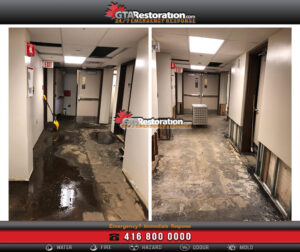
Flooded hallway illustrating the need for emergency restoration services in Toronto.


Emergency Restoration Services in Toronto

Emergency restoration services in Toronto help you deal with floods, fires, sewage and sudden leaks. The first goal is to make the site safe and limit further damage. Then, crews can plan cleanup, drying and repairs.

This guide explains when emergency restoration services in Toronto can help and what to expect. GTA Restoration handles water, fire, smoke, mould and other property damage. First, call 911 for an active fire or an immediate threat to life.

Call Us: 416-800-0000

First Steps After Property Damage

Keep people and pets away from unsafe rooms. If a pipe bursts, shut off the water only if you can reach the valve safely. Also, keep clear of sagging ceilings and broken stairs.

Never enter floodwater to reach a breaker panel. Water near live wires or sockets can be deadly. Instead, call the power company and follow the Electrical Safety Authority’s flood advice. After a fire, wait until fire or building officials say you can go in.

Water Damage and Flooded Basements

Leaks can soak walls, floors and items in storage. However, a small puddle may show only part of the problem. Water can spread beneath floors and into wall spaces.

Our water damage team checks wet walls and floors, then plans water removal, drying and moisture checks. For basements, basement cleanup also starts with the cause of the flood. For example, rainwater entry and a sewer backup need different responses.

Burst Pipes and Hidden Leaks

Drying alone will not fix a broken pipe. Therefore, source repairs and cleanup must work together. Our urgent plumbing help can deal with the leak while the team checks nearby rooms.

If the source is unclear, leak detection can help narrow the search. Moisture meters check damp materials. Also, thermal images show warm and cool spots. These need further checks, since they do not prove a leak by themselves.

Disaster Cleanup After a Sewer Backup

Sewage can spread germs and waste onto floors, walls and stored items. First, keep out of the affected area. Stop using sinks, toilets and appliances that send water into the backed-up drain.

Our sewage cleanup service checks what can be cleaned and what needs to be thrown away. Then, the team plans cleaning and drying. Toronto residents can also review the City’s basement flooding guidance and report basement flooding to 311.

Fire, Smoke and Lingering Odours

A fire can leave soot and smoke damage well beyond the burned room. Emergency restoration services in Toronto may also address water used to put out the fire. Therefore, the plan must cover more than visible burn marks.

Our fire and smoke cleanup checks soot, debris and items that may be saved. In addition, odour treatment starts with the source. Covering a smell with fragrance will not remove the material causing it.

Mould After Water Damage

Damp wood and drywall can allow mould to grow. As a result, drying and fixing the source are key parts of emergency property restoration. If you see mould, avoid disturbing it or blowing fans across it.

Our mould assessment and removal service helps plan the work. The EPA’s flooded-home guide also explains why visible mould needs cleanup before fans are used.

Emergency Damage Cleanup After Storms

Wind and heavy rain can open a path through the roof. First, stay off damaged roofs and away from wet ceilings. Our roof repair team can check the roof and plan short-term covers once it is safe to work.

Then, the rooms below need moisture checks. Covering a roof opening helps limit new rain entry, but wet insulation and ceilings still need attention.

Biohazards and Contaminated Materials

Blood and other body fluids can pose risks. Therefore, keep the area closed to others and avoid touching soiled items. Our biohazard cleanup service checks the risks and plans how to clean, disinfect and remove waste.

Emergency Property Restoration for Condos and Businesses

Leaks can spread between suites or into shared spaces. First, notify building management and note the affected rooms. Our condo response team can arrange access and plan where the crew will work.

Likewise, support for commercial buildings should account for staff, tenants and customers. Discuss safe routes, work hours and which areas must stay closed.

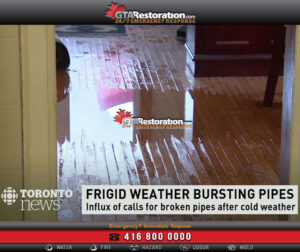
Standing water covering a dining area floor beneath chairs and tables.

Emergency Property Restoration: What to Expect

Emergency restoration services in Toronto should follow a clear plan based on the damage. However, the order may change if rooms are unsafe or hard to reach.

  1. Assess the site. First, find the cause and check which rooms and items need work.
  2. Limit further damage. Next, stop new leaks and remove water or add covers where needed.
  3. Clean and dry. Remove items that cannot be saved. Then, clean surfaces and track moisture where needed.
  4. Plan the repairs. Finally, confirm the area is ready before rebuilding or closing walls.

Costs, Records and Choosing a Team

Take photos from a safe place and keep receipts. Also, tell your insurer promptly and confirm what your policy covers. Costs depend on how much damage there is and which repairs are needed.

Ask for a written scope, estimate and approval process for extra work. Then, ask who handles each trade and how the crew will track progress. When calling, share your address and what happened. Also, mention rooms that are hard to reach so the team can plan the visit.


Need Emergency Restoration Services in Toronto?

Call GTA Restoration to discuss the damage, your location and the next safe step.

Call Us: 416-800-0000

Learn More

Water Damage Help | Fire and Smoke Cleanup | Sewage Cleanup | Commercial Property Help
Share this... Spread the word!


Emergency Restoration Services in Toronto: Quick Checklist

Property damage can feel overwhelming. First, focus on people and safe access. Then, use this checklist to help plan the work.

1. Check for Danger

Call 911 for fire or danger to life. Also, stay away from unsafe ceilings, floodwater and wet electrical equipment.

2. Stop the Source Safely

Shut off a leaking pipe’s supply only if the valve is safe to reach. Otherwise, wait for trained help.

3. Keep Others Away

Keep children and pets out of damaged rooms. Also, keep others away from sewage, soot and waste.

4. Report the Damage

Tell your insurer and building manager, where needed. Then, share photos taken from a safe place and list affected rooms.

5. Agree on the Work

Request a written scope and estimate. Also, agree on how extra work and equipment costs will be approved.

6. Choose the Right Cleanup

Water, fire and sewage need different methods. Therefore, ask how the crew will handle the damage at your property.

7. Track Drying and Repairs

Ask for progress notes and moisture readings where needed. Then, check that walls are ready before adding new drywall or paint.

8. Plan the Follow-Up

Finally, fix the cause and keep job records. Discuss repairs that help reduce future leaks and water entry.


Need help with property damage?
Call GTA Restoration to discuss the next steps.

Call Us: 416-800-0000


GTA Service Centre


Emergency Restoration Services in Toronto: FAQs

What should I do first?

First, leave any unsafe area. Call 911 for fire or a threat to life.

What does emergency restoration cover?

It can include water removal and drying. The team may also clean rooms, remove damaged items and plan repairs.

How quickly can a crew arrive?

Call with your address and details of the damage. Then, ask for the expected arrival time.

Can I clean up sewage myself?

Sewage may carry germs. Instead, keep people away and call a trained crew to assess and clean the area.

Will insurance pay for the work?

It depends on your policy and the cause. First, ask your insurer what the plan covers.


Learn more ↴


Direct Billing & Insurance Claims

Ask your insurer about coverage, deductibles and the records it needs.


Payment options

In-House Financing Available

Financing up to 24 months. No interest. No money down. Ask us about the terms.


Certifications & Insurance

View our firm certification, technician qualifications and insurance documents.

IICRC Certified Firm

GTA Restoration Inc.

Firm number 199912
Valid through

View IICRC certificate (PDF) — opens in a new tab

Business Insurance

GTA Restoration Group Inc.

$5 million general liability per occurrence
$8 million contractors pollution per claim
–

View insurance certificate (PDF) — opens in a new tab

IICRC Technician Qualifications

Tony Sokol T. Lleshi · Registration 214520
Valid through

Water Damage Restoration · Fire & Smoke Damage Restoration · Applied Microbial Remediation · Odor Control · Trauma & Crime Scene

View technician verification (PDF) — opens in a new tab

Insurance is subject to policy terms, conditions and exclusions.


Emergency? Click to Call!