For non-emergencies use our contact form
A roof leak rarely stays a roof problem. Water can move through insulation, ceilings, wall cavities, electrical systems, and finished spaces long before the visible stain gets larger. Fast emergency roof repair is about stopping that spread, protecting people inside the building, and creating a clear record for the recovery work and insurance claim that may follow.
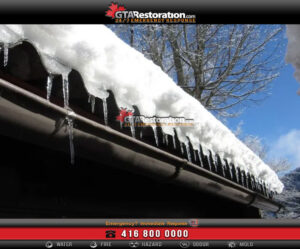
Whether wind has lifted shingles, a fallen branch has punctured the roof, ice has forced water beneath flashing, or a flat roof drain has backed up, the first few hours matter. The safest response is calm, practical, and focused on containment.
Treat Roof Damage as an Active Water Emergency
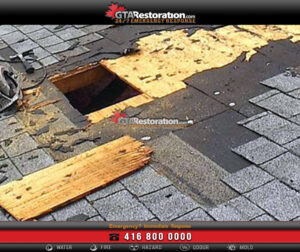
After a storm or sudden leak, do not assume the problem is limited to the area directly below the damage. A small opening in the roof can allow water to travel along framing and collect at a ceiling several feet away. In multi-unit properties and commercial buildings, that water may also reach neighboring suites, common areas, equipment rooms, or inventory.
Start by moving people, valuables, furniture, and electronics away from the affected area. Place containers beneath active drips if it is safe to do so, and cover nearby contents with plastic sheeting. If water is near light fixtures, outlets, electrical panels, or powered equipment, keep clear of the area and arrange for electrical assessment before touching anything.
A sagging ceiling is a more serious warning sign. Water may be pooling above the drywall, and the ceiling can fail without much notice. Keep occupants out of the room, do not stand beneath the sag, and call for professional assistance immediately.
What to Do Before Emergency Roof Repair Arrives
Homeowners and property managers can reduce secondary damage without taking unnecessary risks. The goal is not to diagnose the roof from above or perform a permanent repair during dangerous conditions. The goal is to keep water controlled and provide responders with useful information.
Take photos and short videos from safe locations. Document the visible roof damage from the ground, interior leaks, wet ceilings or walls, damaged belongings, and any water entering mechanical or electrical areas. Note when the leak began, what weather conditions were present, and whether the damage followed a specific event, such as high winds or a tree impact.
If the leak is manageable and the area is safe, remove standing water from floors with towels, a mop, or a wet vacuum. Use fans only after confirming that electricity is safe and that they will not spread contaminated water. Clean water from a recent roof leak may still become a mold concern if building materials remain wet for more than a day or two.
Do not climb onto a wet, icy, steep, or storm-damaged roof. Do not try to secure a tarp from the roof edge during wind, rain, or darkness. Falls are one of the most severe risks during roof emergencies, and a temporary patch installed incorrectly can create additional openings or cause further damage. Professional crews have the safety equipment, materials, and experience to stabilize the roof without turning a property emergency into an injury emergency.
When a Roof Leak Requires Immediate Professional Help
Not every missing shingle requires a middle-of-the-night call. But active water intrusion, structural concerns, and exposure to electrical hazards do. It depends on the condition of the roof, the forecast, the type of building, and what is happening inside the property.
Call for emergency service right away when water is actively entering the building; a tree limb, debris, or impact has opened the roof; a ceiling is sagging; wind has removed a broad area of shingles or membrane; water is reaching electrical fixtures; or a commercial roof leak is threatening operations, tenants, stock, or equipment.
For condominium managers and landlords, speed also limits liability and disruption. A leak that begins in one unit can quickly affect several residents, corridors, elevators, or building systems. Early containment, moisture detection, and clear documentation help management make informed decisions while protecting occupants and the property.
Temporary Stabilization Is Not the Final Repair
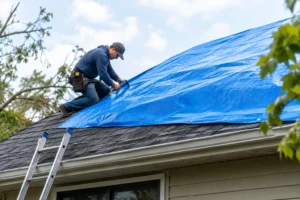
A professional emergency response often begins with temporary protection. Depending on site conditions, this may include controlled tarping, sealing an exposed area, removing loose debris, directing water away from vulnerable sections, or placing drying equipment inside the building. These measures are designed to stop or reduce immediate intrusion while conditions allow for a full inspection.
That distinction matters. A tarp may protect the building through the next rainfall, but it does not reveal whether insulation is saturated, decking has deteriorated, flashing has failed, or water has reached concealed areas. The permanent repair should be based on the actual cause of the failure, not simply the most visible damage.
Why Interior Drying Matters After Roof Damage
A roof repair alone does not restore a water-damaged property. Once the opening is controlled, the interior must be assessed for moisture behind walls, above ceilings, beneath flooring, and inside insulation. Materials that appear dry on the surface can hold moisture where it cannot be seen.
Qualified restoration teams use moisture meters, thermal imaging, and other detection equipment to identify affected areas and set a drying plan. Controlled air movement, dehumidification, and targeted material removal may be necessary to prevent mold growth, odors, damaged finishes, and deterioration of structural components.
This is where a coordinated response has real value. Instead of asking separate contractors to handle the roof, water extraction, drying, cleanup, and repairs, property owners can benefit from one emergency team managing the work in the right sequence. GTA Restoration provides emergency response and property recovery support for roof-related water damage across the Greater Toronto Area, including containment, drying, documentation, and restoration coordination.
Protect Your Insurance Claim Without Delaying Work
Most insurance carriers expect property owners to take reasonable steps to prevent further damage. That does not mean you should wait for an adjuster before stopping an active leak. Emergency mitigation is often necessary to protect the property, occupants, and claim.
Keep a record of the date and time the damage was discovered, weather conditions, photos and video, conversations with your insurer, and invoices for emergency services. If you dispose of damaged materials, photograph them first when possible. Avoid discarding major components or making permanent repairs before the damage is documented unless leaving them in place creates an immediate safety risk.
Ask the responding contractor for clear records of the damage observed, temporary measures performed, moisture findings, equipment used, and recommended next steps. Detailed documentation can help establish the source and extent of loss while giving your insurer a clearer picture of why emergency action was needed.
Prevent the Next Roof Emergency
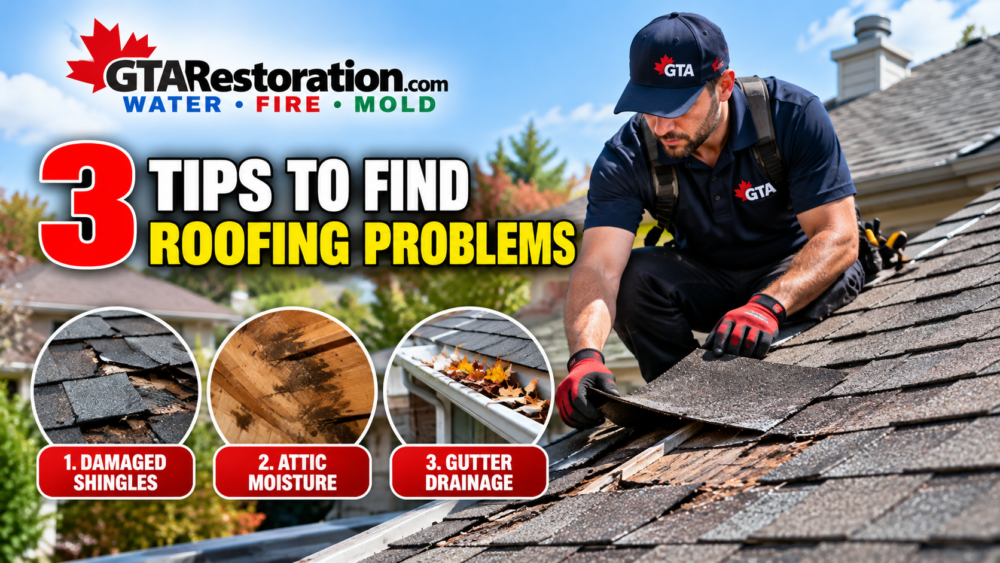
Many roof failures begin as maintenance issues that go unnoticed. Loose flashing, cracked sealant, clogged drains, damaged shingles, aging membrane seams, and debris buildup can all allow water into the building when the next heavy storm arrives.
For homes, inspect the roof from the ground after major weather events and watch for loose materials, damaged gutters, displaced shingles, or branches resting on the roof. In older properties, attic checks can reveal stains, damp insulation, or musty odors before water reaches the living space.
Commercial and multi-residential properties need a more structured approach. Routine roof inspections, drain and scupper cleaning, documentation of prior repairs, and seasonal maintenance reduce the likelihood that a minor defect becomes an after-hours emergency. Flat roofs deserve particular attention because standing water can expose weak seams and blocked drainage quickly.
If water is entering now, prioritize safety over a quick fix. Contain what you can from inside, keep people away from electrical and structural hazards, document the damage, and bring in an emergency team that can stop the intrusion and manage the recovery work that follows.