The first few hours after a fire set the tone for everything that follows. A clear fire damage restoration timeline helps property owners make faster decisions, protect what can still be saved, and avoid the secondary damage that often gets worse after the flames are out. Smoke residue, water from firefighting, corrosion, and structural instability do not wait.
For homeowners, landlords, condo boards, and commercial operators, the question is usually the same: how long is this going to take? The honest answer is that it depends on the extent of the fire, the amount of smoke spread, how much water was used to extinguish it, and whether the structure is still safe to enter. Small kitchen fires may move through cleanup and repairs in days or weeks. A multi-room or structural fire can take months.
What affects the fire damage restoration timeline?
The timeline is shaped first by safety. If the electrical system is compromised, there is structural movement, or hazardous materials are present, work slows down until the site is stabilized and cleared for entry. That is not delay for the sake of delay. It is what prevents further damage, worker injury, and failed repairs.
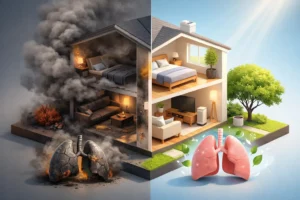
The second major factor is how far smoke and soot traveled. Fire damage is rarely limited to the room where the flames started. HVAC systems can move soot through the property. Acidic residue can settle on walls, ceilings, fixtures, and electronics within hours. In many cases, the visible burn area is only part of the problem.
Insurance response also plays a role. Fast documentation, photos, scope writing, and itemized loss reporting can keep the project moving. If approvals are slow or the loss is complex, the restoration schedule can stretch. That is one reason property owners often benefit from working with a team that handles both emergency mitigation and claim support.
Fire damage restoration timeline: the first 24 hours
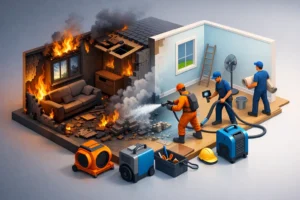
The first day is about control. After the fire department clears the scene, restoration crews begin emergency mitigation. This usually includes a site inspection, hazard assessment, and immediate steps to secure the structure. Broken windows, damaged doors, and roof openings are boarded or tarped to keep out weather, animals, and unauthorized entry.
If water was used to suppress the fire, extraction often starts right away. Standing water cannot sit for long without creating another emergency. Wet drywall, insulation, flooring, and contents may begin to deteriorate quickly, and microbial growth can start within a short window.
At this stage, crews also document the loss in detail. That means photos, moisture readings, notes on affected rooms, and identification of salvageable versus non-salvageable materials. The property may still smell heavily of smoke, but odor removal does not usually happen first. Stabilization comes before cosmetic improvement.
Days 1 to 3: inspection, demolition, and damage mapping
Once the site is secure, the work becomes more precise. Technicians assess structural elements, identify smoke migration patterns, and determine what needs removal. Charred drywall, damaged insulation, unstable materials, and heavily contaminated contents may be taken out during controlled demolition.
This phase can move quickly on a smaller job. On a larger loss, it may take several days because every affected area must be mapped correctly. Missing hidden damage behind walls or above ceilings leads to bigger problems later. Soot in concealed cavities, trapped moisture, and damaged ductwork can all cause lingering odor and failed restoration if ignored.
Property owners are often surprised by how much cleaning is needed before rebuilding starts. That is normal. Fire restoration is not just construction. It is a contamination cleanup process first.
Days 3 to 7: drying, soot cleanup, and smoke removal
By this point, the project often shifts into environmental cleanup. Air scrubbers, dehumidifiers, and specialized filtration equipment may run continuously to control particulates and reduce odor. Technicians clean soot from surfaces using methods matched to the type of residue. Dry soot, greasy soot, and protein residue do not behave the same way, so the cleaning approach has to be adjusted.
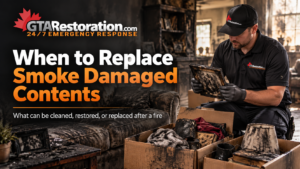
This is also when salvage decisions become clearer. Some contents can be restored off-site or in place. Others are too heavily damaged by heat, smoke, or water. Upholstery, electronics, documents, and porous materials all require different evaluation standards.
Odor treatment may begin during this window, but complete deodorization usually waits until the contaminated materials are removed and major cleaning is complete. Otherwise, the smell can return. If the HVAC system was affected, duct cleaning and component inspection are often part of this stage as well.
One to three weeks: repairs begin
A typical fire damage restoration timeline moves into repair work after mitigation and cleaning are substantially complete. That may include replacing drywall, insulation, flooring, trim, cabinets, or electrical components. For commercial spaces, there may also be code-related upgrades, fire alarm work, or occupancy-related repairs.
Not every project reaches this point in a week. If there is heavy structural damage, municipal inspections, engineering review, or permit requirements, the schedule can extend. In condos and multi-unit properties, access coordination and building management approvals can add time too.
Still, once the property is clean, dry, and cleared for reconstruction, progress tends to become more visible. This is the stage where owners finally feel like recovery is moving forward rather than just being contained.
One to six months: reconstruction and final restoration
For moderate to severe losses, rebuilding is the longest part of the process. Framing repairs, new finishes, painting, cabinetry, flooring, and final electrical or plumbing work all need to be completed in sequence. Custom materials, back-ordered products, and permit inspections can slow things down even when the damage scope is already known.
That does not mean every project drags on for months. A contained room fire with limited smoke spread may be fully restored much faster. But if the fire affected structural systems, several units, or a large portion of a commercial property, a longer timeline is realistic.
This is also where end-to-end service matters. When emergency response, remediation, drying, cleaning, and reconstruction are coordinated under one team, there are fewer handoff delays. For property managers and business owners, that can mean less downtime and fewer gaps in accountability.
Why some fire losses take longer than expected
The biggest reason is hidden damage. Smoke gets into places most people never think to check. Soot can settle behind outlet covers, inside wall cavities, in attic insulation, and through return air pathways. Water from suppression can soak subfloors and migrate into lower levels. What looks like a simple cleanup can become a more technical restoration once those conditions are uncovered.
The second reason is scope change. Early estimates are based on visible conditions and safe access. As demolition progresses, contractors may find structural charring, compromised wiring, or materials that cannot be salvaged. That changes pricing, approvals, and the schedule.
The third is occupancy planning. In some homes, partial occupancy is possible during repairs. In others, it is not safe or practical. Commercial properties may need phased work to keep operations running, which can extend the total calendar time even when crews are working efficiently.
How to keep the timeline moving
Fast reporting matters. The sooner the loss is documented and mitigation begins, the better the chances of limiting secondary damage. Delays allow soot to bond more deeply to surfaces, odors to settle in, and moisture problems to spread.
Clear decisions also help. Owners who quickly approve emergency work, contents handling, and repair scopes usually see less delay. Waiting too long to sort out salvage, access, or insurance communication can stall the job in the most time-sensitive phase.
It also helps to work with a restoration contractor that can manage the full chain of response. A company like GTA Restoration can handle emergency stabilization, drying, smoke cleanup, odor removal, and reconstruction support without forcing the owner to coordinate multiple vendors in the middle of a crisis.
A realistic expectation for property owners
A fire damage restoration timeline is not a fixed calendar. It is a sequence of priorities: secure the property, remove hazards, dry the structure, clean contamination, eliminate odor, then rebuild. Smaller losses may move through those stages quickly. Larger or more complex claims need more time, especially when structural damage, permits, or multi-unit coordination are involved.
What matters most is not just speed, but the right speed. Rushed cleaning can leave odor behind. Rushed repairs can trap soot or moisture in the building. The goal is to restore the property safely, fully, and with as little disruption as possible.
When a fire hits, the property does not need guesswork. It needs immediate action, clear sequencing, and a team that knows what has to happen now, what can wait until tomorrow, and what cannot be missed at all.