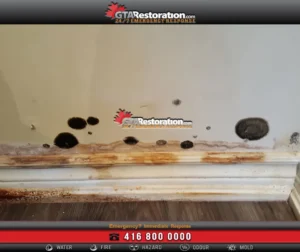
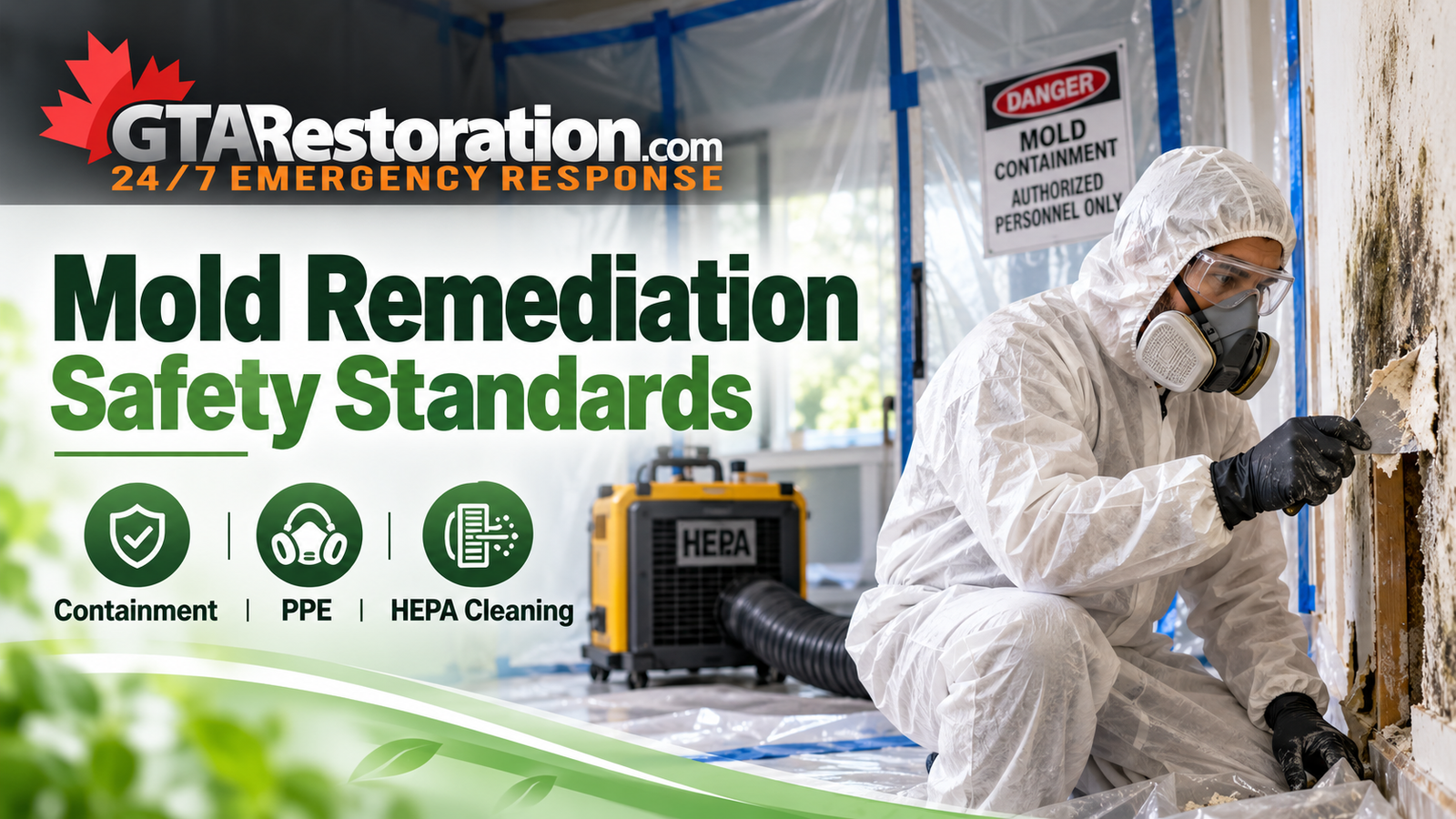
A small mold patch behind a bathroom vanity can become a major safety issue once demolition begins. Disturbing contaminated drywall, insulation, carpet, or framing can release spores and debris into occupied rooms and HVAC pathways. That is why mold remediation safety standards matter: the goal is not simply to make visible mold disappear, but to control exposure, correct the moisture source, and return the property to safe, dry conditions.
For homeowners, condo managers, landlords, and facility teams, the practical question is simple: what should a professional remediation project actually look like? Safe work requires a controlled process, trained technicians, appropriate protective equipment, and verification that the underlying moisture problem has been addressed.
What Mold Remediation Safety Standards Are Designed to Do
Mold remediation standards and industry guidance provide a framework for assessing contamination, selecting containment measures, removing affected materials, and verifying cleaning. The work is guided by the size and location of the affected area, the building’s occupants, the materials involved, and the cause of the moisture intrusion.
A minor surface issue on a nonporous material may call for careful cleaning and drying. A larger area involving wet drywall, insulation, ceiling cavities, crawlspaces, sewage-contaminated water, or active leaks requires a much more controlled response. The same is true when vulnerable occupants are present, including people with respiratory conditions, young children, older adults, or immunocompromised individuals.
The standards are not a license to apply chemicals and move on. A safe remediation plan should prevent cross-contamination, protect workers and occupants, remove materials that cannot be reliably cleaned, and eliminate the conditions that allowed mold to grow.
Start With Moisture Control, Not Surface Cleaning
Mold needs moisture. If a leak, flood, condensation issue, roof failure, plumbing defect, or foundation seepage remains active, cleaning alone is temporary.
A qualified inspection should identify where water entered, how far moisture migrated, and whether hidden cavities are affected. Moisture meters, thermal imaging, and targeted material testing can help locate wet areas behind finished walls, under flooring, and around plumbing penetrations. In multi-unit buildings, the source may be above, beside, or below the visible damage. A condo owner may see staining on a ceiling while the actual failure is a leaking fixture in another suite.
Drying is not an afterthought. Technicians should establish drying goals, use commercial dehumidification and air movement where appropriate, and monitor moisture levels until affected materials reach acceptable dry conditions. Sometimes this means opening wall or ceiling assemblies to remove wet insulation and expose framing. It can feel disruptive, but leaving damp materials enclosed often creates a larger remediation problem later.
Containment Prevents Mold From Spreading During Removal
Containment is one of the clearest signs that a contractor takes safety seriously. Without it, demolition can spread spores and dust from one affected room into clean areas of the home or facility.
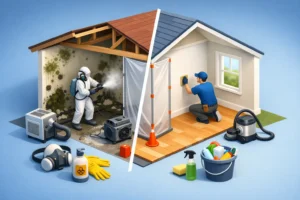
The level of containment depends on the scope of work. Small, isolated projects may require limited barriers and local dust control. Larger projects commonly require a sealed work area built with plastic sheeting, controlled entry points, and negative air pressure. Negative-air equipment draws air into the contained area and filters it before exhausting or recirculating it according to the remediation plan.
Containment should also protect pathways used by workers. Floors, elevator routes, corridors, and staging areas may need coverings or cleaning controls, particularly in occupied condominiums, healthcare-adjacent settings, offices, and retail spaces. For commercial properties, scheduling work after hours can reduce disruption, but it does not replace proper containment.
HVAC systems deserve special attention. Supply and return vents in or near the work area may need to be isolated so mold debris is not drawn into ductwork. If contamination is suspected inside the HVAC system, it should be evaluated as a separate scope rather than assumed to be resolved by cleaning the room alone.
Worker Protection Is Part of a Safe Remediation Plan
Personal protective equipment protects the people performing the work and reduces the chance of carrying contamination into clean spaces. The appropriate protection depends on conditions, but may include gloves, protective coveralls, eye protection, and properly selected respiratory protection.
Respirators are not interchangeable. They must be selected for the task and used by trained personnel under an appropriate respiratory protection program. A poorly fitted mask or an untrained worker can create a false sense of security. Workers should also follow decontamination procedures before leaving the contained area, including removing disposable protective gear and cleaning reusable equipment.
This matters for property owners, too. Occupants should not enter the work zone to retrieve items, check progress, or assist with cleanup unless the remediation lead says it is safe. During larger projects, temporary relocation from affected rooms may be necessary. That decision depends on contamination extent, access routes, occupant health concerns, and whether the property can be safely isolated while work proceeds.
Removal and Cleaning Must Match the Material
Mold growth on porous materials is different from surface growth on hard, nonporous materials. Drywall, carpet padding, insulation, upholstered furnishings, particleboard, and cellulose ceiling tiles can retain contamination and moisture below the surface. In many cases, affected porous materials must be removed and disposed of rather than cleaned in place.
Nonporous and semi-porous building materials may sometimes be cleaned, but only after the source of moisture is corrected and the surface can be returned to a clean condition. The contractor should use methods suited to the material and contamination level. Aggressive sanding, dry brushing, or uncontrolled demolition can make the situation worse by aerosolizing debris.
Chemical products are not a substitute for physical removal and cleaning. Applying a coating, fragrance, or antimicrobial product over active growth does not correct hidden moisture or remove damaged material. Products may have a role in a documented remediation protocol, but the priority remains source control, removal of unsalvageable materials, detailed cleaning, and drying.
Contents need careful decisions as well. Some items can be cleaned with specialized methods. Others may be too contaminated, too wet, or too difficult to restore safely. A professional should document these decisions for the property owner and, when applicable, for the insurance claim.
Clearance Is More Than a Visual Check
A room can look clean and still have elevated moisture, construction dust, or contamination in overlooked areas. Final verification should include a visual inspection, confirmation that moisture conditions have been corrected, and review of containment removal and cleaning procedures.
For significant losses, independent post-remediation verification may be appropriate. This can include a detailed visual assessment and, where justified by the project scope or client requirements, sampling by a qualified independent professional. Testing alone is not a pass-or-fail shortcut. Results need context, including outdoor conditions, building conditions, sampling methods, and whether visible contamination or moisture remains.
The strongest clearance outcome is a space with no visible mold or debris, no ongoing water source, properly dried materials, and no signs that remediation activity spread contamination beyond the work area.
When Professional Remediation Is the Safer Choice
Property owners can sometimes manage very small, isolated surface areas if the moisture source is fixed and the material can be safely cleaned. But professional help is the safer choice when mold follows flooding, sewage backup, long-term leaks, hidden wall damage, a large affected area, recurring odors, or widespread condensation.
It is also advisable when the property is occupied by people at higher health risk or when the issue affects shared spaces in a condo, rental property, school, office, or retail facility. These situations require more than cleanup. They require documentation, access control, tenant communication, and a plan that prevents the issue from moving into unaffected areas.
Ask a remediation contractor how they will identify and correct the water source, isolate the work area, protect occupants, handle contaminated materials, monitor drying, and verify completion. Clear answers are a safety signal. Vague promises to “treat” mold are not.
When a water event or suspected mold issue is growing behind finished surfaces, fast action limits the scope of removal and helps protect the people who rely on the building every day. A controlled, documented response gives you a safer path back to a dry, usable property.
Related