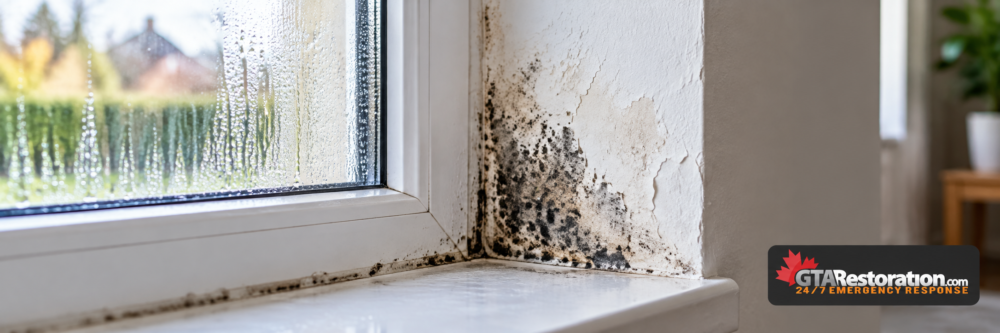
A musty odor after a basement flood, a dark stain beneath a window, or recurring condensation in a condo bathroom can point to a hidden moisture problem. If you are searching for how to choose a mold inspector, the goal is not simply to get a test result. You need a qualified professional who can find the moisture source, define the affected area, explain the health and property risks, and give you a clear path to safe remediation.
Mold concerns can become more expensive when they are treated as a surface-cleaning problem. The visible growth may be small, while wet drywall, insulation, subflooring, or building cavities hold a larger problem behind the scenes. A thorough inspection helps you make decisions before damage spreads.
Know When You Need a Mold Inspection
Not every spot on a bathroom ceiling requires a full inspection. Small, isolated surface growth caused by temporary humidity may be resolved by cleaning the surface, improving ventilation, and correcting the moisture condition. But recurring growth is a warning that the underlying issue was never fixed.
Arrange a professional inspection when you have experienced a plumbing leak, sewage backup, roof leak, appliance overflow, flooded basement, storm damage, or prolonged humidity. You should also act if there is a persistent musty smell, peeling paint, warped flooring, staining, unexplained respiratory irritation in a specific area, or visible mold covering more than a small localized section.
For property managers and commercial operators, the threshold should be lower. A leak above a ceiling tile, damp carpeting in an occupied office, or moisture migrating between condominium units can affect multiple occupants and create a larger restoration issue. Early assessment limits disruption and supports clear documentation for owners, tenants, insurers, and building records.
How to Choose a Mold Inspector: Start With Qualifications
Credentials do not replace experience, but they help you verify that an inspector understands moisture behavior, containment principles, sampling limitations, and safe work practices. Ask about relevant training and certifications in water damage restoration, applied microbial remediation, mold assessment, or environmental inspection. Depending on the area, licensing and certification requirements can vary, so a reputable provider should be ready to explain what standards apply to the work being proposed.
Experience with your property type matters just as much. A single-family home with a wet basement presents different challenges than a high-rise condominium, retail unit, school, warehouse, or multi-tenant office. Ask whether the inspector has investigated hidden moisture in wall systems, under flooring, inside ceiling cavities, and around plumbing penetrations in buildings like yours.
A qualified inspector should also carry appropriate insurance and follow documented safety procedures. If occupants have heightened sensitivities, or if the affected area includes sewage, asbestos-containing materials, lead-based paint, or significant structural damage, the scope may require additional specialized controls. A professional will identify those limits rather than making casual promises.
Look for an Inspection Plan, Not a One-Size-Fits-All Test
Air testing alone is not a mold inspection. It can be useful in certain circumstances, but it is only one piece of evidence and can be influenced by weather, ventilation, open windows, cleaning activity, and conditions at the time of collection. A test result without a careful visual and moisture investigation can leave you with numbers but no answer about what needs to be repaired.
Before work begins, ask the inspector to explain the proposed scope. A strong inspection typically includes a discussion of the building history, visible conditions, odor sources, recent water events, occupant concerns, and areas that may need closer review. The inspector should use appropriate tools such as moisture meters, thermal imaging, hygrometers, and, where access permits, cavity inspection equipment.
Thermal imaging can help identify temperature differences that may suggest moisture, but it cannot confirm mold on its own. Moisture meters can identify elevated readings, but readings must be interpreted according to the material being tested. Good inspectors explain these distinctions clearly. They do not use equipment as a sales prop or claim that one device can see through every wall and diagnose every problem.
Sampling may be recommended when visible material needs laboratory identification, when contamination is suspected but not visible, when an exposure-sensitive environment needs added documentation, or when clearance verification is required after remediation. Ask what question each sample is meant to answer. If there is no clear purpose, testing may add cost without improving the remediation plan.
Expect a Written Report You Can Act On
A verbal opinion is not enough when your home, business, tenants, or insurance claim are involved. Request a written report that documents the areas inspected, observed conditions, moisture findings, photographs, likely sources of water intrusion, sampling details if applicable, and recommended next steps.
The report should separate facts from assumptions. For example, it may document elevated moisture behind a bathroom wall and explain that further opening is needed to confirm the extent of affected materials. That is more useful than declaring a whole property contaminated without evidence.
Most importantly, the report should identify the source of moisture. Mold remediation without leak repair, humidity control, drainage correction, or plumbing work is rarely a lasting solution. In a flooded basement, the right recommendation may include drying and removal of damaged materials, but it may also involve sump pump assessment, crack repair, plumbing repairs, or basement waterproofing.
Ask How Inspection and Remediation Are Handled
Some property owners prefer an independent inspector who performs assessment only and does not offer remediation. This can reduce concerns about a conflict of interest, especially for a non-urgent situation or a large project where you want a separate opinion before requesting repair bids.
In an active emergency, however, coordinating an inspector, plumber, drying contractor, mold remediation company, and rebuild team can delay critical work. A full-service restoration provider can be the practical choice when water is still entering the property, materials are wet, or operations need to continue with minimal downtime. The key is transparency. The company should clearly document why remediation is recommended, what areas are included, what will be removed or cleaned, and how the work will be verified.
Ask whether the provider can address the source of damage as well as the mold condition. For example, a concealed pipe leak needs plumbing repair, while a roof leak needs prompt exterior repair before interior restoration can hold. GTA Restoration coordinates inspection, emergency drying, plumbing response, remediation, and recovery work so property owners are not left managing multiple contractors during a time-sensitive loss.
Compare Estimates by Scope, Not Just Price
The lowest inspection price is not always the lowest overall cost. A quick walk-through with no moisture mapping, no written findings, and no explanation of the source can lead to repeat visits and delayed repairs. On the other hand, an expensive proposal is not automatically more thorough.
Compare what each inspection includes: the number of rooms or units assessed, equipment used, whether sampling is included or billed separately, laboratory turnaround time, written reporting, photographs, and post-remediation verification. If one proposal is substantially higher or lower, ask what is different about the scope.
For insurance-related losses, ask whether the inspector can provide photos, moisture records, drying documentation, and a clear timeline of findings. Insurers may have their own requirements, and coverage depends on the cause of loss and policy terms. Accurate documentation can support the claim process, but no contractor should guarantee insurance coverage.
Watch for These Red Flags
Be cautious when an inspector promises a diagnosis before visiting, recommends extensive demolition without documenting moisture or visible conditions, or pressures you to sign a large remediation contract immediately. You should also question vague language such as “toxic mold” used without laboratory evidence, a clear risk explanation, or a defined work plan.
Other warning signs include refusing to provide proof of training or insurance, avoiding written reports, treating every situation with the same air-test package, or failing to ask about leaks and water events. Mold is a moisture-driven problem. Any assessment that ignores the source is incomplete.
Questions to Ask Before You Book
Ask the company who will perform the inspection, what qualifications they hold, and whether they have handled similar properties. Confirm what the visit includes, whether sampling is necessary, how long reporting will take, and what the written report will contain.
Also ask how quickly they can respond if there is active water damage, whether they can coordinate repairs to stop the moisture source, and how they document work for insurance purposes. For condos and commercial properties, confirm their process for working with property management, occupants, access restrictions, and after-hours scheduling.
The right mold inspector should leave you with more than a label for what is growing. You should know where moisture is coming from, how far the condition may extend, what needs immediate attention, and who is responsible for each next step. When water or mold is actively affecting your property, act quickly: stopping moisture now protects the building, the people inside it, and the cost of recovery.