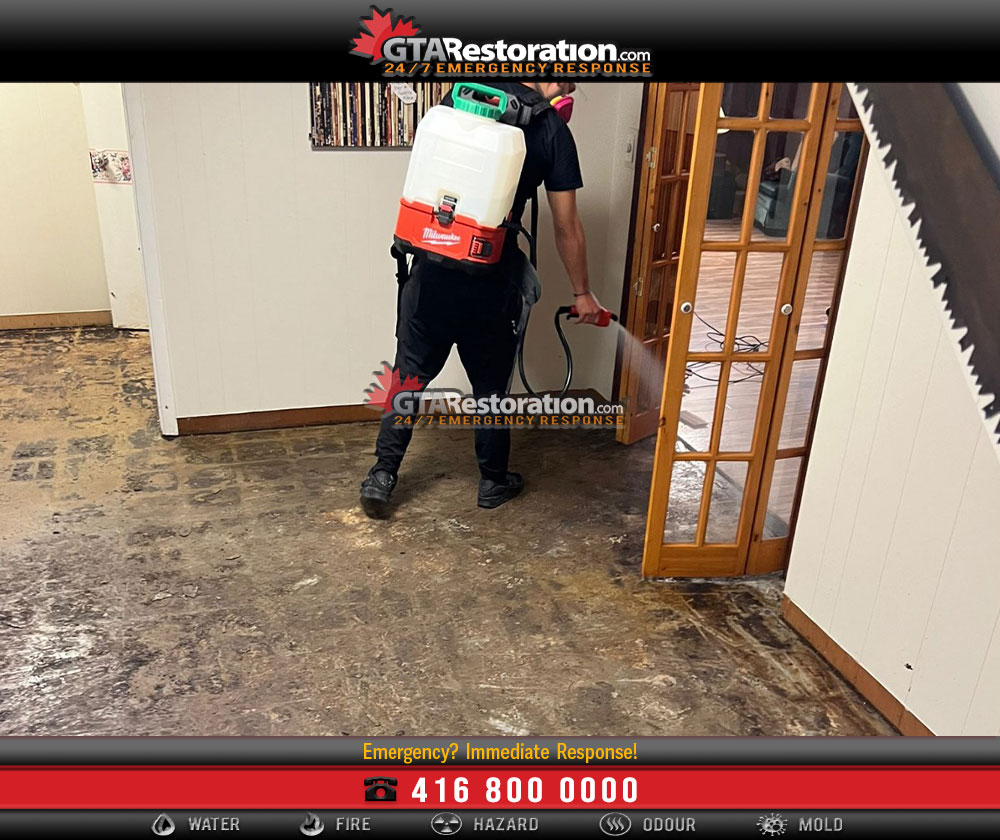
Mold Inspection and Testing for Indoor Air Quality, Technician using a backpack sprayer to treat an exposed floor
Surface treatment during restoration work is different from inspection and air testing.

Mold Inspection and Testing for Air Quality

Mold inspection and testing can help answer questions about damp areas in a home or workplace. However, the first step is usually a visual check and moisture assessment. Not every concern needs an air sample.

GTA Restoration helps clients in Toronto and the GTA assess visible growth, musty smells and past leaks. First, tell us what you have noticed. Then, we can discuss which checks may help and what the findings could mean.

Call Us: 416-800-0000

What Does a Mold Assessment Check?

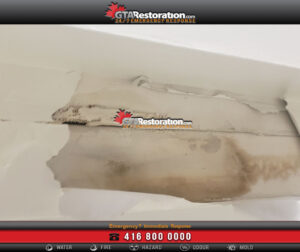
An inspection looks for visible growth, stains and damp materials. It also considers the history of the space. For example, a roof leak may have wet the ceiling long before a stain appeared.

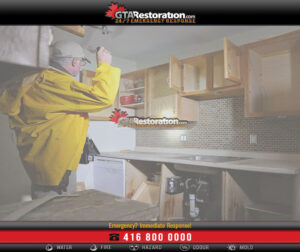
Checks may include basements, bathrooms, attics and areas around pipes. Also, note whether smells get stronger after rain or showers. These details can help guide the search for the moisture source. A smell alone does not confirm mold.

Tools Help Check Moisture

Moisture meters help assess damp materials. Thermal cameras show surface temperature patterns that may need a closer look. However, neither tool identifies mold directly or proves what is inside a closed wall.

Therefore, the inspector compares readings with the room and its materials. Some areas may need further access. Ask what each tool can show before agreeing to extra work.

When Is Indoor Mold Testing Useful?

Health Canada does not recommend routine air testing for most mold concerns. If growth is already visible, testing is often unnecessary. The priority is to address the growth and water problem.

However, a qualified professional may suggest samples when concerns remain unclear after an inspection. Before paying for a test, ask what question it will answer and how it could change the plan. The EPA sampling guide explains why testing needs a clear purpose.

Understand What Test Results Mean

Air samples record conditions during a limited collection period. Results can change with room use, airflow and outdoor conditions. Also, mold spores occur naturally indoors and outside. Finding spores does not, by itself, prove a hidden problem.

Likewise, a low result does not rule out growth behind a wall. Mold inspection and testing results need careful interpretation alongside the site findings. A spore count alone cannot predict health effects or certify safe air.

Mold Checks Are One Part of Air Quality

A mold test does not measure every indoor pollutant. For example, it does not replace a radon test or carbon monoxide alarm. Different concerns need different checks.

If you have symptoms, speak with a health care professional. A building report cannot diagnose their cause. Instead, use the report to guide property repairs and further checks.

Plan the Next Steps After a Mold Assessment

Once the cause is clear, arrange leak repairs and drying where needed. Then, agree on how to clean or remove affected materials. Large, hidden or recurring problems may need professional cleanup.

Do not paint over growth to hide it. Also, spraying a product does not replace moisture control and proper removal. The EPA moisture guide explains why fixing the water problem matters.

Prepare for Mold Inspection and Testing

Finally, gather leak dates, photos and past repair notes. Tell the inspector about rooms that are hard to reach. Ask for a scope that separates the inspection, any proposed samples and later cleanup costs.


Concerned About Mold or Damp Indoor Air?

Discuss visible growth, musty odours or moisture concerns with GTA Restoration.

Call Us: 416-800-0000

Learn more ↴

Warning Signs to Check | Moisture Control Tips | Cleanup Services
Share this... Spread the word!


Mold Inspection and Testing: 8 Helpful Checks

Planning can make the visit more useful. Use these checks to prepare your notes and questions.

1. Prepare for Mold Inspection

First, list the rooms with stains or musty smells. Then, note when the issue began and whether it comes and goes.

2. Share the Leak History

Next, bring past repair records to your mold assessment. Also, mention old floods, roof leaks or plumbing work near the affected area.

3. Agree on Access

Next, explain any locked rooms or blocked paths. Also, ask which areas need access behind walls.

4. Clarify Indoor Mold Testing

If samples are proposed, ask what each one adds. Then, confirm the cost and purpose before you approve the work.

5. Discuss the Report

Also, ask whether you will receive photos, readings and findings. Also, request a plain-language explanation of any limits.

6. Plan Source Repairs

After the mold assessment, discuss who will fix the leak or dampness. Then, keep repair tasks separate from testing fees.

7. Confirm Cleanup Needs

First, review the cleanup scope before work starts. In addition, ask about access limits and how crews will protect nearby rooms.

8. Arrange Follow-Up

Finally, agree on how to review completed work. Also, report new stains or returning odours so someone can investigate the cause.


Need help assessing a damp area?
Tell GTA Restoration what you have noticed and ask about the next steps.

Call Us: 416-800-0000


GTA Service Centre


Mold Inspection and Testing FAQs

Do I always need an air test?

No. First, start with a visual check and moisture assessment. Visible growth often does not need testing.

Can a test prove my air is safe?

No. A sample covers a limited time and cannot predict health effects or check every pollutant.

Can thermal cameras find mold?

They show temperature patterns, not mold. Therefore, unusual areas need further checks to find the cause.

Why might the inspector suggest samples?

Some concerns remain unclear after inspection. In that case, ask how indoor mold testing would guide the next step.

What should I bring to the visit?

Bring photos and leak records. Also, note when stains or smells appear and which rooms they affect.

Does testing remove mold?

No. Testing gathers information. Instead, cleanup and moisture repairs address the growth and the conditions that support it.


Learn more ↴


Direct Billing & Insurance Claims

Ask your insurer about coverage, deductibles and the records it needs.


Payment options

In-House Financing Available

Financing up to 24 months. No interest. No money down. Ask us about the terms.


Certifications & Insurance

View our firm certification, technician qualifications and insurance documents.

IICRC Certified Firm

GTA Restoration Inc.

Firm number 199912
Valid through
View IICRC certificate (PDF) — opens in a new tab

Business Insurance

GTA Restoration Group Inc.

$5 million general liability per occurrence
$8 million contractors pollution per claim
–

View insurance certificate (PDF) — opens in a new tab

IICRC Technician Qualifications

Tony Sokol T. Lleshi · Registration 214520
Valid through

Water Damage Restoration · Fire & Smoke Damage Restoration · Applied Microbial Remediation · Odor Control · Trauma & Crime Scene

View technician verification (PDF) — opens in a new tab

Insurance is subject to policy terms, conditions and exclusions.


Emergency? Click to Call!