

...
Mold Removal and Mould Remediation Toronto - GTA Restoration

Emergency? 24-Hrs

416.800.0000
  • Home Restore
  • Emergency Services
    • Emergency Plumbers 24/7
    • Water Damage Restoration
    • Flooded Basement
    • Mold Remediation Toronto
    • Sewer Backup Remediation
    • Fire & Smoke Restoration
    • Odour Removal Toronto
    • Biohazard Cleanup
    • Emergency Roofing Repair
    • Water Leak and Detection
    • Condominium Restoration
    • Basement WaterProofing
    • Property Inspection Toronto
    • Sanitizing and Disinfection
    • Insurance Claim Appraisers
    • Equipment for Rent Toronto
    • Privacy Policy & Service Terms
  • Commercial Restoration
  • Blog
  • Our Team
  • Contact
16 May 2024 - Categories: GTA Restoration Articles

Basic Facts about Mold and Dampness


Disaster Restoration Emergency Plumbing Service Blog Icon

Basic Facts about Mold and Dampness Tips

Basic Facts about Mold and Dampness, Basic Facts About Mold and Dampness
Basic Facts About Mold And Dampness

Understanding Mold and Dampness: Essential Facts You Need to Know

Mold and dampness are common issues that can affect any property, whether it’s a residential home or a commercial building. Understanding the basics about mold and dampness is crucial for ensuring a healthy and safe environment for occupants. In this comprehensive guide, we’ll explore the fundamental facts about mold and dampness, including their causes, effects, and prevention measures.

What is Mold?

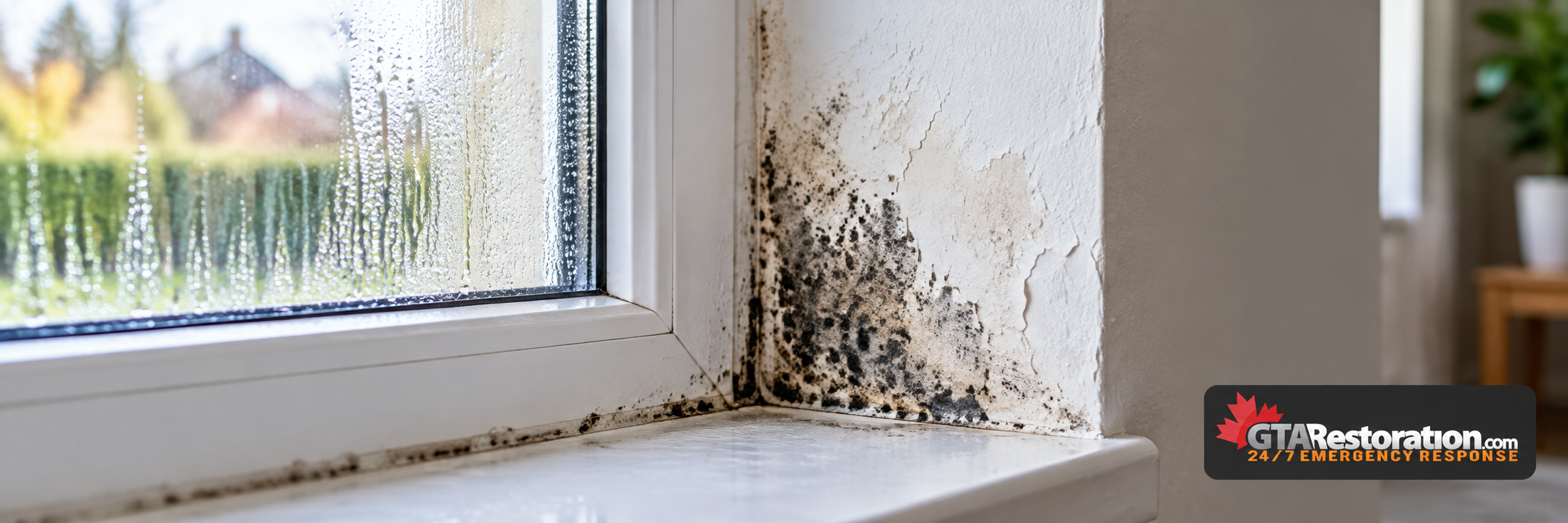
Mold is a type of fungus that thrives in damp, humid, and poorly ventilated environments. It reproduces by releasing spores into the air, which can settle on surfaces and grow under the right conditions. Mold comes in various colours, including black, green, and white, and can often be found on walls, ceilings, floors, and other surfaces.

Causes of Mold Growth

Mold requires moisture to grow, and it can develop in any area that has sustained water damage or has high humidity levels. Common causes of mold growth include:

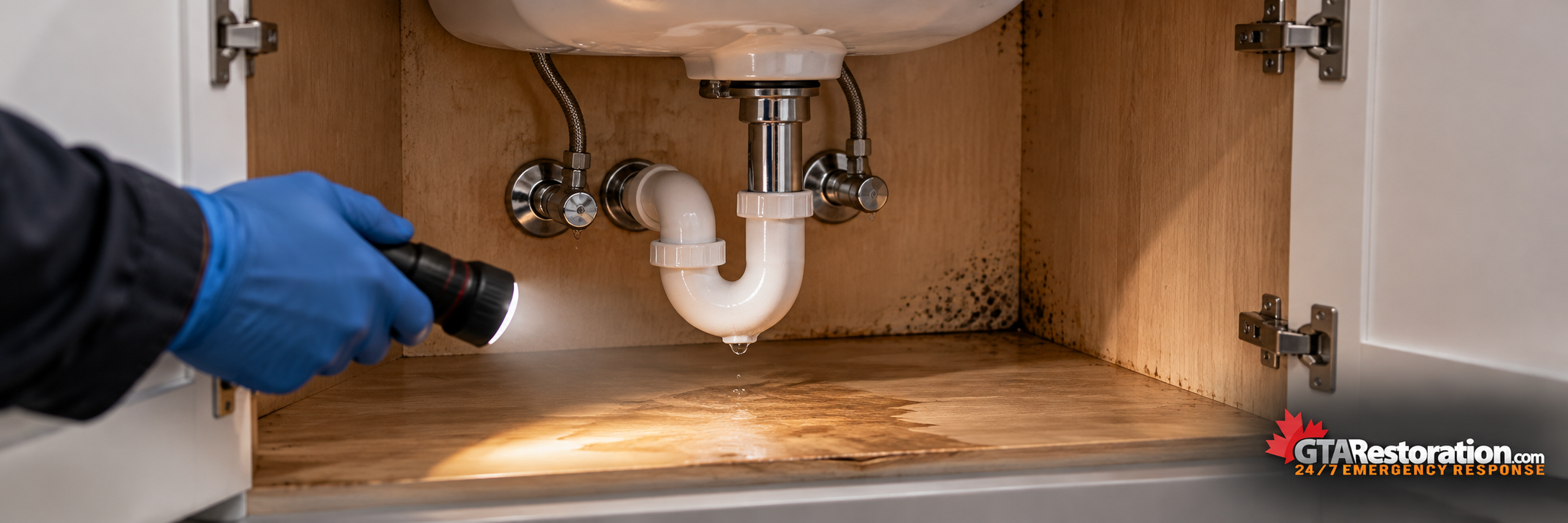
  1. Leaking pipes or roofs
  2. Flooding or water seepage
  3. Condensation due to poor ventilation
  4. Damp basements or crawl spaces

Health Effects of Mold Exposure

Exposure to mold can lead to a range of health issues, particularly for individuals with allergies, asthma, or other respiratory conditions. Common health effects of mold exposure include:

  1. Allergic reactions (sneezing, coughing, skin rashes)
  2. Respiratory problems
  3. Sinus infections
  4. Irritation of the eyes, throat, and skin

Preventing Mold and Dampness

Preventing mold and dampness is essential for maintaining a healthy indoor environment. Here are some preventive measures to consider:

  1. Address any water leaks or moisture issues promptly
  2. Ensure proper ventilation in bathrooms, kitchens, and other high-humidity areas
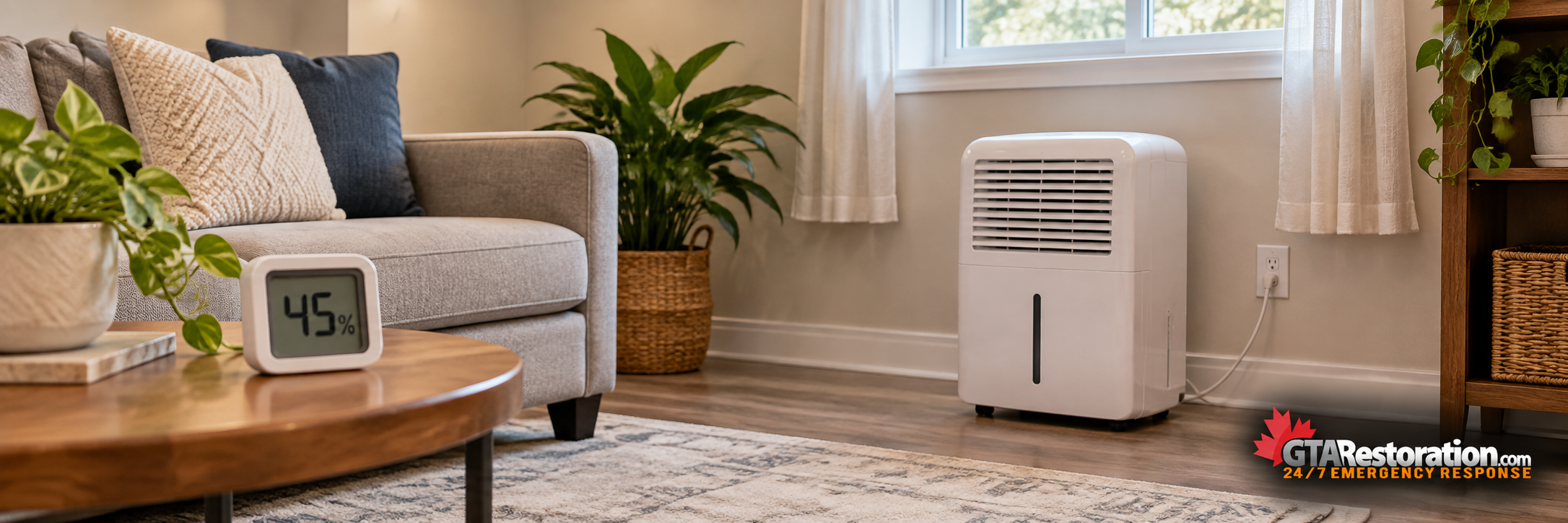
  3. Use dehumidifiers to maintain optimal indoor humidity levels
  4. Regularly inspect and maintain plumbing and roofing systems

Professional Mold Remediation

In cases where mold growth is extensive or difficult to control, professional mold remediation may be necessary. Qualified experts can assess the extent of the mold problem, conduct thorough clean-up and removal, and implement measures to prevent future mold growth.

Conclusion

Mold and dampness pose significant risks to both property and human health. By understanding the causes, effects, and prevention strategies related to mold and dampness, property owners can take proactive steps to maintain a safe and healthy indoor environment.


Key Facts about Mold and Dampness

Understanding Mold and Dampness

Mold and dampness are common issues that many homeowners encounter. Understanding the basics of mold and dampness is crucial in order to effectively address and prevent these problems. In this article, we will explore the fundamental facts about mold and dampness, including their causes, effects, and solutions.

What is Mold?

Mold is a type of fungus that thrives in damp, warm, and humid environments. It can appear in various colors, including black, green, and white. Mold reproduces by releasing spores into the air, which can then settle and grow on surfaces such as walls, ceilings, and floors. Common types of indoor mold include Aspergillus, Cladosporium, and Stachybotrys chartarum (black mold).

Causes of Mold and Dampness

There are several factors that can contribute to the growth of mold and the presence of dampness in a home. These include:

  • Excess Moisture: High levels of humidity or water leaks can create the ideal conditions for mold growth.
  • Poor Ventilation: Inadequate airflow can lead to moisture buildup in enclosed spaces, promoting the development of mold.
  • Water Intrusion: Leaking pipes, roof leaks, or flooding can introduce excess moisture into the home, leading to dampness and mold.
  • Condensation: Surfaces that are consistently exposed to condensation, such as windows and cold water pipes, can become breeding grounds for mold.

Effects of Mold and Dampness

The presence of mold and dampness in a home can have various negative effects on both the property and the health of its occupants. Some of these effects include:

  • Property Damage: Mold can cause structural damage to buildings, as well as damage to furniture, carpets, and other belongings.
  • Health Issues: Exposure to mold spores can lead to respiratory problems, allergies, asthma, and other health issues, particularly in individuals with weakened immune systems.
  • Unpleasant Odors: Dampness and mold can create musty, unpleasant odors in the home, affecting indoor air quality and overall comfort.
  • Aesthetic Deterioration: Mold growth can lead to unsightly stains and discoloration on walls, ceilings, and other surfaces.

Preventing and Addressing Mold and Dampness

There are several measures that homeowners can take to prevent and address mold and dampness in their homes. These include:

  • Controlling Moisture: Maintaining optimal indoor humidity levels and promptly addressing any water leaks or intrusions can help prevent mold growth.
  • Improving Ventilation: Ensuring adequate ventilation in bathrooms, kitchens, and other high-moisture areas can help reduce dampness and inhibit mold formation.
  • Using Dehumidifiers: Installing and using dehumidifiers can help remove excess moisture from the air, particularly in basements and other damp areas.
  • Regular Maintenance: Conducting regular inspections and maintenance of plumbing, roofing, and other potential sources of water damage can help prevent dampness and mold growth.
  • Cleaning and Drying: Promptly cleaning and drying any areas affected by water leaks or condensation can help prevent mold from taking hold.
  • Professional Remediation: In cases of extensive mold growth or severe dampness, seeking the assistance of professional mold remediation services may be necessary to effectively address the issue.

Conclusion

Understanding the fundamentals of mold and dampness is essential for homeowners to effectively prevent, identify, and address these common household issues. By taking proactive measures to control moisture, improve ventilation, and address water damage, homeowners can create a healthier and more comfortable living environment for themselves and their families.


How common is mold in buildings?

Molds are very common in buildings and homes. Mold will grow in places with a lot of moisture, such as around leaks in roofs, windows, or pipes, or where there has been flooding. Mold grows well on paper products, cardboard, ceiling tiles, and wood products. Mold can also grow in dust, paints, wallpaper, insulation, drywall, carpet, fabric, and upholstery.

The most common indoor molds are Cladosporium, Penicillium, and Aspergillus.  We do not have precise information about how often different molds are found in buildings and homes.

How do molds get in the indoor environment and how do they grow?

Mold is found both indoors and outdoors. Mold can enter your home through open doorways, windows, vents, and heating and air conditioning systems. Mold in the air outside can also attach itself to clothing, shoes, and pets can and be carried indoors.

When mold spores drop on places where there is excessive moisture, such as where leakage may have occurred in roofs, pipes, walls, plant pots, or where there has been flooding, they will grow. Many building materials provide suitable nutrients that encourage mold to grow. Wet cellulose materials, including paper and paper products, cardboard, ceiling tiles, wood, and wood products, are particularly conducive for the growth of some molds. Other materials such as dust, paints, wallpaper, insulation materials, drywall, carpet, fabric, and upholstery, commonly support mold growth.

How do you know if you have a mold problem?

Large mold infestations can usually be seen or smelled.

How do molds affect people?

Exposure to damp and moldy environments may cause a variety of health effects, or none at all. Some people are sensitive to molds. For these people, exposure to molds can lead to symptoms such as stuffy nose, wheezing, and red or itchy eyes, or skin. Some people, such as those with allergies to molds or with asthma, may have more intense reactions. Severe reactions may occur among workers exposed to large amounts of molds in occupational settings, such as farmers working around moldy hay. Severe reactions may include fever and shortness of breath.

In 2004 the Institute of Medicine (IOM) found there was sufficient evidence to link indoor exposure to mold with upper respiratory tract symptoms, cough, and wheeze in otherwise healthy people; with asthma symptoms in people with asthma; and with hypersensitivity pneumonitis in individuals susceptible to that immune-mediated condition.

In 2009, the World Health Organization issued additional guidance, the WHO Guidelines for Indoor Air Quality – Dampness and Mould PDF File. Other recent studies have suggested a potential link of early mold exposure to development of asthma in some children, particularly among children who may be genetically susceptible to asthma development, and that selected interventions that improve housing conditions can reduce morbidity from asthma and respiratory allergies.

A link between other adverse health effects, such as acute idiopathic pulmonary hemorrhage among infants, memory loss, or lethargy, and molds, including the mold Stachybotrys chartarum  has not been proven. Further studies are needed to find out what causes acute idiopathic hemorrhage and other adverse health effects.

There is no blood test for mold.  Some physicians can do allergy testing for possible allergies to mold, but no clinically proven tests can pinpoint when or where a particular mold exposure took place.

Who is most at risk for health problems associated with exposure to mold?

People with allergies may be more sensitive to molds. People with immune suppression or underlying lung disease are more susceptible to fungal infections. Individuals with chronic respiratory disease (e.g., chronic obstructive pulmonary disorder, asthma) may experience difficulty breathing. Individuals with immune suppression are at increased risk for infection from molds. If you or your family members have these conditions, a qualified medical clinician should be consulted for diagnosis and treatment.

How do you keep mold out of buildings and homes?

Inspect buildings for evidence of water damage and visible mold as part of routine building maintenance. Correct conditions causing mold growth (e.g., water leaks, condensation, infiltration, or flooding) to prevent mold growth.

Inside your home you can control mold growth by:

  • Controlling humidity levels;
  • Promptly fixing leaky roofs, windows, and pipes;
  • Thoroughly cleaning and drying after flooding;
  • Ventilating shower, laundry, and cooking areas.

Specific Recommendations:

  • Keep humidity levels as low as you can—between 30% and 50%–all day long. An air conditioner or dehumidifier will help you keep the level low. Bear in mind that humidity levels change over the course of a day with changes in the moisture in the air and the air temperature, so you will need to check the humidity levels more than once a day.
  • Use an air conditioner or a dehumidifier during humid months.
  • Be sure your home has enough ventilation. Use exhaust fans which vent outside your home in the kitchen and bathroom. Make sure your clothes dryer vents outside your home.
  • Fix any leaks in your home’s roof, walls, or plumbing so mold does not have moisture to grow.
  • Consider not using carpet in rooms or areas like bathrooms or basements that may have a lot of moisture.

How do you get the molds out of property?

Mold growing in homes and buildings indicates that there is a problem with water or moisture. This is the first problem to address.

Remove moldy items from living areas.  Once mold starts to grow in carpet, insulation, ceiling tiles, drywall, or wallboard, the only way to deal with the problem is by removal and replacement.

It is important to properly clean and dry the area as you can still have an allergic reaction to parts of the dead mold and mold contamination may recur if there is still a source of moisture.

Remove or replace carpets and upholstery that have been soaked and cannot be dried promptly.

Clean up and dry out your home thoroughly and quickly (within 24-48 hours) after any flooding.  Dig out mud and dirt.  Use a wet vacuum to remove remaining dirt. Scrub cleanable surfaces (such as wood, tile, stone) with soapy water and a bristle brush.  Thoroughly clean all hard surfaces (such as flooring, molding, wood and metal furniture, countertops, and sinks) with water and dish detergent. Dry surfaces quickly and thoroughly after cleaning. If you have a fan, air conditioner or dehumidifier that wasn’t affected by flooding use it to help the surfaces dry after you finish cleaning

Mold growth can be removed from hard surfaces with commercial products, soap and water, or a bleach solution of no more than 1 cup (8 ounces) of bleach in 1 gallon of water to kill mold on surfaces. Never mix bleach with ammonia or other household cleaners.

If you choose to use bleach to clean up mold:

  • Never mix bleach with ammonia or other household cleaners. Mixing bleach with ammonia or other cleaning products will produce dangerous, toxic fumes.
  • Open windows and doors to provide fresh air.
  • Wear non-porous gloves and protective eye wear.
  • Small areas (such as a shower, or an area the size of a door) can often be cleaned by residents, but larger areas might need more professional help.   Always follow the manufacturer’s instructions when using bleach or any other cleaning product.

If you have an extensive amount of mold and you do not think you can manage the cleanup on your own, you may want to contact a professional who has experience in cleaning mold in buildings and homes.

Are there any circumstances where people should vacate a home or other building because of mold?

These decisions have to be made individually. If you believe you are ill because of exposure to mold in a building, you should consult your physician to determine the appropriate action to take.

I found mold growing in my home; how do I test the mold?

If you can see or smell mold, a health risk may be present. You do not need to know the type of mold growing in your home, and CDC does not recommend or perform routine sampling for molds. No matter what type of mold is present, you should remove it. Since the effect of mold on people can vary greatly, either because of the amount or type of mold, you cannot rely on sampling and culturing to know your health risk.

A qualified environmental lab took samples of the mold in my home and gave me the results. Can CDC interpret these results?

Standards for judging what is an acceptable, tolerable or normal quantity of mold have not been established. Sampling for mold can be expensive, and standards for judging what is and what is not an acceptable quantity of mold have not been set. The best practice is to remove the mold and work to prevent future growth.  

If you do decide to pay for environmental sampling for molds, before the work starts, you should ask the consultants who will do the work to establish criteria for interpreting the test results. They should tell you in advance what they will do or what recommendations they will make based on the sampling results. The results of samples taken in your unique situation cannot be interpreted without physical inspection of the contaminated area or without considering the building’s characteristics and the factors that led to the present condition.

I heard about “toxic molds” and “black molds” that grow in homes and other buildings. Should I be concerned about a serious health risk to me and my family?

There is always a little mold everywhere – in the air and on many surfaces.

Certain molds are toxigenic, meaning they can produce toxins (specifically “mycotoxins”). Hazards presented by molds that may produce mycotoxins should be considered the same as other common molds which can grow in your house. Not all fungi produce mycotoxins and even those that do will not do so under all surface or environmental conditions.

Mold growth, which often looks like spots, can be many different colors, and can smell musty.  Color is not an indication of how dangerous a mold may be.  Any mold should be removed and the moisture source that helped it grow should be removed.

There are very few reports that toxigenic molds found inside homes can cause unique or rare health conditions such as pulmonary hemorrhage or memory loss. These case reports are rare, and a causal link between the presence of the toxigenic mold and these conditions has not been proven.


Mold and Dampness Emergency?

Call GTA Restoration Today!

Learn more ↴

Facts About Mold, How To Deal With Flood and Water Damage?, 3 Keys to Combating the Virus Contamination, Mold Removal & Remediation, Mold Removal Toronto, What are Signs of Mold Exposure, 416 Restoration

Share this... Spread the word!


Tags: Facts About Mold, Mold and Dampness,

☛ ☛ Related Restoration Articles You May Also Like!

Emergency? Immediate response 24/7

416.800.0000 416.800.0000

For non-emergencies use our contact form

We Specialize in FAST Restoration Services!


Need Fast Restoration Service? Let our experienced team help. Your satisfaction is our priority.


We Service the GTA with a Fast 45-Minute Response Time!


“FREE VISUAL Estimate”


Restoration & Remediation

Do you need water removal services for your home or business? Are your floors, walls, furniture, or other areas affected by flooding or water damage? GTA Restoration provides professional water removal, drying, cleanup, and restoration services. Acting quickly can help reduce permanent property damage and lower the risk of mold growth. The longer water remains untreated, the greater the potential for additional damage.


Commercial & Residential Property Inspection

GTA Restoration uses professional moisture-detection technology, restoration equipment, and years of industry experience to identify water damage and locate hidden moisture. Specialized equipment allows our technicians to inspect many affected areas without unnecessary demolition, helping determine the extent of the damage before restoration work begins.


Helping You Every Step of the Way!


We understand that situations involving biohazard contamination in your home or business can be difficult and require professional attention. GTA Restoration provides dependable and experienced biohazard cleanup and remediation services for residential and commercial properties. For information about disaster restoration and recovery, visit the disaster restoration resource. For immediate assistance, contact GTA Restoration at (800) 506-6048.


Nationwide, Local Pricing

GTA Restoration offers local flood & water damage repair, mold removal/remediation, asbestos removal/abatement, fire/smoke damage repair services and much more.

Search

  • Ajax Asbestos Removal
  • Ajax Mold Removal
  • Ajax Water Damage
  • Anjou Mold Removal
  • Aurora Mold Removal
  • Aurora Water Damage
  • Beaconsfield Asbestos Removal
  • Beaconsfield Mold Removal
  • Boucherville Mold Removal
  • Brampton Asbestos Removal
  • Brampton Asbestos Removal
  • Brampton Mold Removal
  • Brampton Water Damage
  • Brossard Mold Removal
  • Burlington Asbestos Removal
  • Burlington Mold Removal
  • Burlington Water Damage
  • Burnaby Mold Removal
  • Burst Frozen Pipe Edmonton
  • Caledon Mold Removal
  • Caledon Water Damage
  • Calgary Asbestos Removal
  • Calgary Mold Removal
  • Calgary Water Damage
  • Cambridge Mold Removal
  • Cambridge Water Damage
  • Chambly Mold Removal
  • Chateauguay Mold Removal
  • Chomedey Mold Removal
  • Clarington Mold Removal
  • Concord Mold Removal
  • Concord Water Damage
  • Mississauga Mold Removal
  • Coquitlam Mold Removal
  • Cumberland Mold Removal
  • Dollard-des-Ormeaux Mold Removal
  • Dorval Mold Removal
  • Edmonton Asbestos Removal
  • Edmonton Mold Removal
  • Edmonton Water Damage
  • Etobicoke Asbestos Removal
  • Etobicoke Mold Removal
  • Etobicoke Water Damage
  • McMurray Fire Damage Services
  • Saskatchewan Asbestos Removal
  • Saskatchewan Mold Removal
  • Frozen Burst Pipe Repair Montreal
  • Frozen Burst Pipe Repair Ottawa
  • Gloucester Asbestos Removal
  • Gloucester Mold Removal
  • Hamilton Asbestos Removal
  • Hamilton Asbestos Testing
  • Hamilton Mold Removal
  • Hamilton Water Damage
  • Hampstead Mold Removal
  • Hampstead Water & Flood Damage
  • L'île-Bizard Mold Removal
  • Kahnawake Mold Removal
  • Kanata Asbestos Removal
  • Kanata Mold Removal
  • Kanata Water Damage
  • Kirkland Mold Removal
  • Kitchener Asbestos Removal
  • Kitchener Mold Removal
  • Kitchener Water Damage
  • Lasalle Mold Removal
  • Laval Asbestos Removal
  • Laval Mold Removal
  • Laval Water Damage
  • London Mold Removal
  • London Water Damage
  • Longueuil Mold Removal
  • Longueuil Water Damage
  • Markham Asbestos Removal
  • Markham Mold Removal
  • Markham Water Damage
  • Mississauga Asbestos Testing
  • Mississauga Mold Removal
  • Mississauga Water Damage
  • Montreal Air Duct Cleaning
  • Montreal Asbestos Removal
  • Montreal Asbestos Testing
  • Montreal East Mold Removal
  • Montreal Mold Removal
  • Montreal Water Damage
  • Mount-Royal Mold Removal
  • Nepean Asbestos Removal
  • Nepean Mold Removal
  • Nepean Water Damage
  • New Market Water Damage
  • New Westminster Mold Removal
  • Newmarket Mold Removal
  • North York Mold Removal
  • Oakville Mold Removal
  • Oakville Water Damage
  • Orleans Asbestos Removal
  • Orleans Mold Removal
  • Orleans Water Damage
  • Osgoode Mold Removal
  • Oshawa Mold Removal
  • Oshawa Water Damage
  • Ottawa Air Duct Cleaning
  • Ottawa Asbestos Removal
  • Ottawa Mold Removal
  • Ottawa Vermiculite Removal
  • Ottawa Water Damage
  • Pickering Mold Removal
  • Pickering Water Damage
  • Red Deer Mold Removal
  • Red Deer Water Damage
  • Richmond Hill Mold Removal
  • Richmond Hill Water Damage
  • Richmond Mold Removal
  • Rideau Lakes Mold Removal
  • Rockcliffe Park Mold Removal
  • Roxboro Mold Removal
  • Saint Laurent Mold Removal
  • Saint-Hubert Mold Removal
  • Scarborough Asbestos Removal
  • Scarborough Mold removal
  • Scarborough Water Damage
  • Sewer Backup Edmonton
  • Sewer Backup Montreal
  • Sewer Backup Ottawa
  • Sherwood Park Asbestos Removal
  • Sherwood Park Mold Removal
  • Spruce Grove Asbestos Removal
  • Spruce Grove Mold Removal
  • St. Albert Asbestos Removal
  • St. Albert Mold Removal
  • Ste.Dorothee Mold Removal
  • Surrey Mold Removal
  • Thornhill Mold Removal
  • Toronto & GTA Asbestos Removal
  • Toronto & GTA Mold Removal
  • Toronto Air Duct Cleaning
  • Toronto Water Damage
  • Unionville Mold Removal
  • Unionville Water Damage
  • Vancouver Asbestos Removal
  • Vancouver Mold Removal
  • Vancouver Water Damage
  • Vanier Mold Removal
  • Vaughan Mold Removal
  • Vaughan Water Damage
  • Westmount Mold Removal
  • Whitby Water Damage
  • Woodbridge Asbestos Removal
  • Woodbridge Mold Removal
  • Woodbridge Water Damage
  • Waterproofing
  • Kitchen & Bath Pro
  • Condo Restoration

Main Head Office


Basic Facts about Mold Tips


We Work Direct with All Insurance Companies

Wᴇ ᴀʀᴇ ᴄᴏᴍᴍɪᴛᴛᴇᴅ ᴏɴ ᴡᴏʀᴋɪɴɢ ᴡɪᴛʜ ᴇᴠᴇʀʏ ɪɴsᴜʀᴀɴᴄᴇ ᴄᴏᴍᴘᴀɴʏ ᴀᴄʀᴏss Cᴀɴᴀᴅᴀ & USA.


In House Financing Available

In House Financing Available

FREE Financing Up To 24 Months NO INTEREST NO MONEY DOWN


Contact Us

Learn more ↴ GTA Restoration Tips

RELATED ARTICLES

  • How To Avoid Sprinkler Water Damage?
  • How To Deal With Floods & Water Damage?
  • Signs of Mould Growth In Your Property?
  • Avoid Mould Damage from Melting Snow
  • How to Prevent Water Damage In Summer
  • Avoid Mold Growth With Proper Air Flow
  • Prevent House Floods from Spring Rains
  • Prevent Frozen Burst Pipes in Winter
  • What To Do on Your Flooded Basement?


follow us on  LinkedIn Instagram Twitter Facebook YouTube


Our Clients

Our Vendor Clients


Affiliates

fully certified


GTA Restoration Toronto

Copyright © 2009 - 2026 All Rights Reserved. Sitemap/Links

LinkedInInstagram Twitter Facebook YouTube

Call Us 416-800-0000

Emergency? Immediate response 24/7

416.800.0000

416.800.0000

We cover all GTA 24/7.

Head Office:
250 Consumers Rd,
#10
Toronto, ON
M2J 4V6,
Open 24 hours

Downtown Office:
1 Toronto St,
#10
Toronto, ON
M5W 1A1,
Open 24 hours

For non-emergencies use our contact form


    Not sure what you need?

    Call us today to find the best product for your situation.

    416-800-0000 416-800-0000

    Head Office:
    101 Lebovic Ave,
    Unit #10
    Scarborough,
    ON, M1L 4T7
    Hours
    24-Hours Open

    Downtown Office:
    250 Yonge Street,
    Unit #1A
    Toronto,
    ON, M5B 2L7
    Hours
    24-Hours Open

    Basic Facts about Mold and Dampness

    Get a quote today


      GTA Restoration Assistant 24/7 Emergency Restoration Help
      Hi! I'm GTA Restoration's virtual assistant. How can I help with your property damage today?
      Emergency? Call 416-800-0000
      Loading Comments...

      You must be logged in to post a comment.