...
Mold Removal and Mould Remediation Toronto - GTA Restoration

Emergency? 24-Hours

416-800-0000
  • Home
  • Services
    • Emergency Plumbers 24/7
    • Water Damage Restoration
    • Flooded Basement
    • Mold Remediation Toronto
    • Sewer Backup Remediation
    • Fire & Smoke Restoration
    • Odour Removal Toronto
    • Biohazard Scene Cleanup
    • Emergency Roofing Repair
    • Water Leak and Detection
    • Condominium Restoration
    • Basement WaterProofing
    • Property Inspection Toronto
    • Sanitizing and Disinfection
    • Insurance Claim Appraisers
    • Equipment for Rent Toronto
  • Commercial Restoration
  • Blog
  • Our Team
  • Contact
1 August 2026 - Categories: Specialty Drying

Wet Carpet Drying Time: What Affects It


Disaster Restoration Emergency Plumbing Service Blog Icon

A wet carpet is not simply a surface-cleaning problem. Water can pass through the carpet fibers, soak the pad, reach the subfloor, and migrate into baseboards and wall cavities before the damage is visible. Wet carpet drying time depends on the source and volume of water, how long it remained in place, the materials beneath the carpet, and whether professional drying equipment is used quickly.

For a small clean-water spill caught immediately, carpet may dry within 12 to 24 hours. After a burst pipe, appliance leak, flooded basement, or sewer backup, the realistic timeline is often 2 to 5 days – and longer if the pad, subfloor, walls, or contents are wet. The goal is not to make the carpet feel dry. It is to bring the affected structure back to a verified dry standard before mold growth, odor, and material deterioration take hold.

How Long Does Wet Carpet Take to Dry?

Most professionally dried carpets can be returned to safe moisture levels in 24 to 72 hours once extraction, air movement, dehumidification, and monitoring begin. That estimate changes quickly when water has traveled beyond the carpet surface.

A low-volume leak over a tile or concrete floor may dry relatively fast after water extraction. A soaked carpet over thick padding, especially in a basement or lower-level room, holds significantly more water. The padding can act like a sponge, limiting airflow beneath the carpet and extending the drying process. In many cases, lifting the carpet and removing the wet pad is the faster and safer option.

Humidity also matters. Toronto-area summers can bring humid outdoor air that slows evaporation, while a cold winter property can have limited natural ventilation. Opening windows alone is not a reliable drying plan. Professional restoration teams control the indoor environment with commercial air movers and dehumidifiers, then measure moisture levels in affected materials throughout the process.

What Has the Biggest Effect on Wet Carpet Drying Time?

The category of water is the first consideration. Clean water from a supply line or an overflowing sink may allow for prompt extraction and drying if the area is addressed right away. Gray water from washing machines, dishwashers, or sump pump failures can contain contaminants. Black water from sewage backups, toilet overflows involving waste, or outdoor flooding is a health hazard and generally requires removal of contaminated carpet and padding rather than drying and reuse.

Time is equally critical. Water that has been present for only a few hours is easier to remove than water that has soaked undetected overnight or through a weekend. Once moisture reaches the backing, pad, tack strips, drywall, insulation, or wood framing, the scope becomes larger. Mold can begin developing in damp conditions within 24 to 48 hours, particularly where airflow is poor.

The flooring system determines how water behaves. Carpet over concrete may not damage the slab itself, but moisture can remain trapped beneath the carpet and create persistent odor or mold concerns. Carpet over plywood or other wood subflooring can cause swelling, warping, and structural moisture issues. In condos and commercial spaces, water may also migrate into adjacent units, corridors, electrical areas, or suites below.

Why a Carpet Can Feel Dry but Still Be Wet

The top fibers are usually the first part of a carpet to feel dry. That can create a false sense that the problem is over. Underneath, the pad may still be saturated, and the subfloor may hold moisture that is not visible without inspection equipment.

This is why restoration professionals use moisture meters, thermal imaging, and humidity readings instead of relying on touch alone. These tools help identify wet areas beneath the carpet and behind walls, establish drying targets, and confirm when the affected materials have actually dried. A musty smell after a carpet appears dry is often a warning that moisture or microbial growth remains below the surface.

Leaving a damp pad in place to dry on its own is a common mistake. It can trap moisture against the subfloor and lead to lingering odors, delamination, stained carpet backing, or mold growth. The trade-off is straightforward: removing and replacing padding can add an immediate cost, but it may prevent a larger remediation project later.

What to Do Immediately After Carpet Gets Wet

First, stop the source of water if it is safe to do so. Shut off the local supply valve for a leaking appliance or fixture, and avoid entering areas with electrical hazards. If the water came from a sewer backup, toilet overflow with contamination, or floodwater, keep people and pets away from the area. Do not use a household vacuum or attempt to handle contaminated materials without proper protection.

For clean-water incidents, move lightweight furniture and belongings off the wet carpet where possible. Place aluminum foil or wood blocks under furniture legs to limit staining and transfer. Avoid walking through the affected area, which can push water deeper into the pad and spread it into dry rooms.

Do not turn up the heat and assume that will solve the problem. Heat without enough extraction, controlled airflow, and dehumidification can raise indoor humidity and move moisture into walls and other building materials. Likewise, rental fans may help with a minor spill, but they are not a substitute for commercial extraction and measured drying after substantial water damage.

When Carpet Can Be Saved and When It Should Be Removed

Carpet restoration is possible when the water is clean, the area is addressed quickly, the carpet is in good condition, and moisture has not remained long enough to create contamination or mold concerns. A restoration team may extract the water, lift and float the carpet for drying, replace the padding if necessary, and clean and deodorize the material.

Removal is often the safer choice after sewage contamination, outdoor floodwater, prolonged saturation, visible mold, or a strong persistent odor. Carpet padding exposed to contaminated water is typically not salvageable. If the carpet has delaminated, shrunk, stained beyond cleaning, or transferred contaminants into the backing, replacement may be necessary as part of a proper restoration plan.

For landlords, condo boards, and commercial property managers, documentation is especially important. Moisture readings, photographs, affected-area records, and drying logs can support insurance reporting and help show that the property was handled responsibly. They also create a clear record when water affects multiple units or common areas.

Professional Drying Is About Controlling the Entire Environment

Effective water damage restoration begins with water extraction. Removing bulk water quickly reduces wet carpet drying time and limits migration into surrounding materials. The crew then determines whether the carpet and pad need to be lifted or removed, identifies hidden moisture, and sets up drying equipment based on the size and conditions of the affected space.

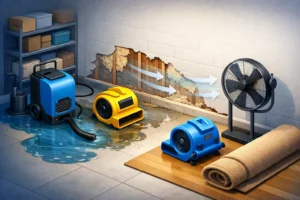
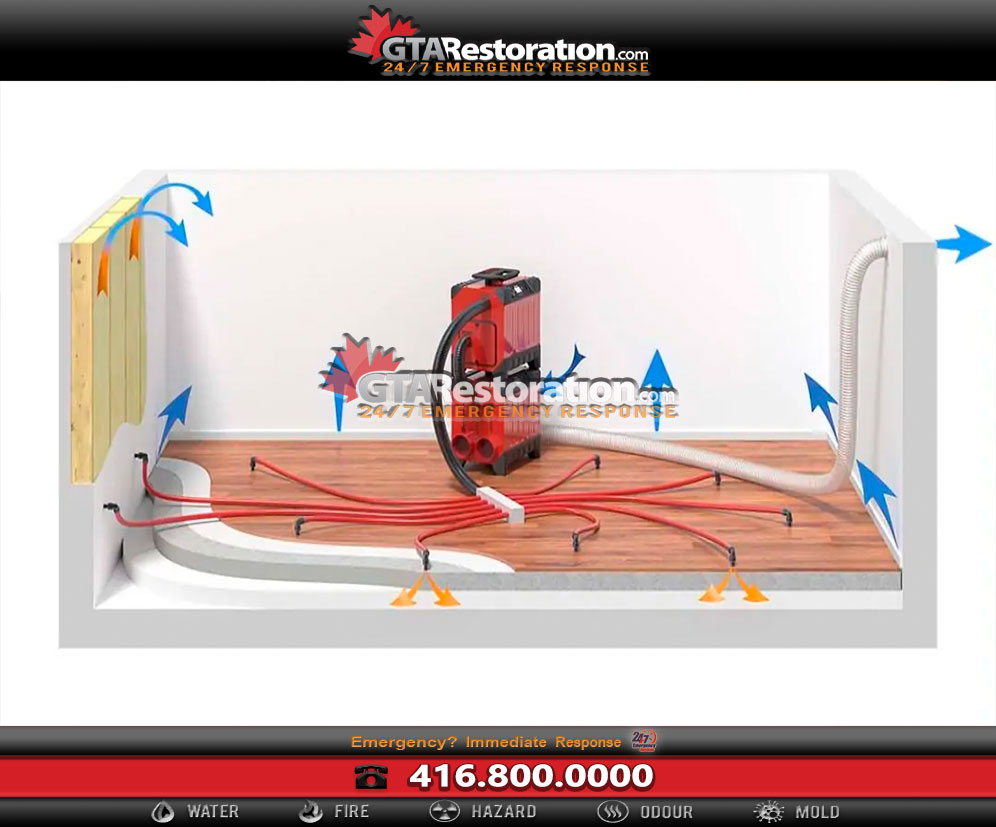
Air movers increase evaporation across wet surfaces, while dehumidifiers capture that moisture from the air. In enclosed rooms, basement areas, and large commercial spaces, the equipment must be positioned and adjusted correctly. Too little drying capacity prolongs the process. Too much uncontrolled heat or airflow can create secondary issues, including warped wood materials or moisture movement into adjacent areas.

Daily monitoring is part of the work, not an optional extra. Technicians check material moisture content, temperature, and relative humidity, then adjust equipment until drying goals are met. This is the difference between temporarily improving appearance and restoring the area with confidence.

Do Not Wait for Odor or Mold to Make the Decision

If water has soaked through your carpet, a same-day assessment is the best way to protect the property. This is particularly true after a basement flood, burst pipe, plumbing leak, roof leak, appliance failure, or overflow that reaches multiple rooms. The longer materials stay wet, the more likely the work will involve carpet removal, drywall repairs, mold remediation, and content restoration.

GTA Restoration provides 24/7 emergency response for water damage across Toronto and the GTA, with extraction, moisture detection, structural drying, cleanup, and insurance documentation managed as one coordinated response. Fast action can preserve more of the property, shorten downtime, and help prevent a wet carpet from becoming a larger indoor environmental problem.

If the carpet is wet beyond a small, immediately cleaned spill, treat the situation as time-sensitive. Get the water source under control, keep the area safe, and arrange for proper drying before hidden moisture has the chance to spread.

Share this... Spread the word!


Tags: Drying, Specialty Drying,

☛ ☛ Related Restoration Articles You May Also Like!

Drying Floating Floors
How to Dry Basement Walls After Water Damage
How to Dry Basement Walls after Water Damage
Is Wet Insulation Salvageable? What to Do First
Wet Drywall After Leak? What to Do Fast

Emergency? 24/7 Restoration Help

416-800-0000 416-800-0000

For non-emergencies use our contact form

Restoration Support for Properties Across Canada

Property damage can affect a home, business or shared building. GTA Restoration serves communities across Canada, including Toronto and the GTA. We are opening locations in the United States. Contact us to confirm current services and availability for your address. We help assess the problem and plan the next steps. Tell us what happened, when it started and which areas are affected so we can discuss access and the scope of work.

Emergency Restoration Help

Call for 24/7 restoration help. Describe any active leak, standing water or visible damage. Access, site conditions and crew availability affect the response.

Water Removal

Standing water needs a plan suited to its source and the affected materials. Share details about the depth, location and any known contamination.

Moisture Checks

Visible marks may not show the full extent of a leak. Moisture readings help identify areas that need closer inspection and follow-up.

Drying Plans

Drying equipment must suit the room and materials. Progress checks help the team review the setup before repairs cover affected surfaces.

Mold Concerns

Report visible mold, musty smells and past leaks. Addressing the moisture source is an important part of planning cleanup and repairs.

Fire and Smoke Damage

Smoke, soot and firefighting water can affect different parts of a building. Discuss the affected areas before moving belongings or starting cleanup.

Contaminated Areas

Sewage and other contamination need a site-specific approach. Keep people and pets away from affected areas while arranging an assessment.

Commercial Properties

Building access, tenants and operating hours matter. Our commercial restoration services help owners and managers plan work around site needs.

Equipment Rental

Explore restoration equipment rental and confirm the unit, power requirements, rental dates and operating instructions before booking.

Documentation and Repairs

Keep photos, dates and relevant receipts. Discuss the repair scope with the team; your insurer determines coverage under your policy.

Need help with property damage? Call GTA Restoration at 416-800-0000 to discuss your property and the next steps.

Call Us: 416-800-0000


Service Areas Across Canada

GTA Restoration serves communities across Canada, including Toronto and the GTA. U.S. locations are opening. Browse our Canadian service areas below, and contact us to confirm services and availability for your address.

Search

  • Air Duct Cleaning Montreal
  • Ajax Asbestos Removal
  • Ajax Mold Removal
  • Ajax Water Damage
  • Asbestos Removal Calgary
  • Asbestos Removal Edmonton
  • Asbestos Removal Fort Saskatchewan
  • Asbestos Removal Gloucester
  • Asbestos Removal Grimsby
  • Asbestos Removal Hamilton
  • Asbestos Removal Kanata
  • Asbestos Removal Kitchener
  • Asbestos Removal Laval
  • Asbestos Removal Lincoln
  • Asbestos Removal Montreal
  • Asbestos Removal Nepean
  • Asbestos Removal Niagara Falls
  • Asbestos Removal Orleans
  • Asbestos Removal Ottawa
  • Asbestos Removal Sherwood Park
  • Asbestos Removal Spruce Grove
  • Asbestos Removal St Catharines
  • Asbestos Removal St-Albert
  • Asbestos Removal Thorold
  • Asbestos Testing Hamilton
  • Asbestos Testing Montreal
  • Asbestos Testing Petersburg
  • Aurora Mold Removal
  • Aurora Water Damage
  • Beaconsfield Asbestos Removal
  • Brampton Asbestos Removal
  • Brampton Mold Removal
  • Brampton Water Damage
  • Burlington Asbestos Removal
  • Burlington Mold Removal
  • Burlington Water Damage
  • Burst Pipe Montreal Frozen Pipe
  • Burst Pipe Repair Edmonton
  • Burst Pipe Repair Ottawa
  • Caledon Mold Removal
  • Caledon Water Damage
  • Calgary Mold Removal
  • Calgary Water Damage
  • Cambridge Mold Removal
  • Cambridge Water Damage
  • Clarington Mold Removal
  • Concord Mold Removal
  • Concord Water Damage
  • Cooksville Mold Removal
  • Edmonton Water Damage
  • Emergency Roofing Vancouver
  • Etobicoke Asbestos Removal
  • Etobicoke Mold Removal
  • Etobicoke Water Damage
  • Fire Damage Grimsby
  • Fire Damage Lincoln
  • Fire Damage Niagara Falls
  • Fire Restoration Fort McMurray
  • Fire Damage Restoration Thorold
  • Fire Damage St Catharines
  • Flood Cleanup Grimsby
  • Flood Cleanup Lincoln
  • Flood Cleanup Niagara Falls
  • Flood Cleanup St Catharines
  • Flood Cleanup Thorold
  • London Mold Removal
  • London Water Damage
  • Markham Asbestos Removal
  • Markham Mold Removal
  • Markham Water Damage
  • Mississauga Asbestos Testing
  • Mississauga Mold Removal
  • Mississauga Water Damage
  • Mold Inspection Removal Kitchener
  • Mold Remediation Montreal
  • Mold Removal & Inspection LaSalle
  • Mold Removal Anjou
  • Mold Removal Boucherville
  • Mold Removal Brossard
  • Mold Removal Burnaby
  • Mold Removal Chambly
  • Mold Removal Chateauguay
  • Mold Removal Chomedey
  • Mold Removal Coquitlam
  • Mold Removal Dollard Des Ormeaux
  • Mold Removal Dorval
  • Mold Removal Edmonton
  • Mold Removal Fort Saskatchewan
  • Mold Removal Gloucester
  • Mold Removal Grimsby
  • Mold Removal Hamilton Inspection
  • Mold Removal Ile Bizard
  • Mold Removal in Osgoode
  • Mold Removal Beaconsfield
  • Mold Removal Kahnawake
  • Mold Removal Kanata
  • Mold Removal Kirkland
  • Mold Removal Laval
  • Mold Removal Lincoln
  • Mold Removal Longueuil
  • Mold Removal Montreal East
  • Mold Removal Mount Royal
  • Mold Removal Nepean
  • Mold Removal New Westminster
  • Mold Removal Niagara Falls
  • Mold Removal Orleans
  • Mold Removal Ottawa
  • Mold Removal Cumberland
  • Mold Remediation Hampstead
  • Mold Removal Remediation Roxboro
  • Mold Removal Richmond BC
  • Mold Removal Rideau Lakes
  • Mold Removal Rockcliffe Park
  • Mold Removal Saint Hubert
  • Mold Removal Saint Laurent
  • Mold Removal Sherwood Park
  • Mold Removal Spruce Grove
  • Mold Removal St Catharines
  • Mold Removal Ste Dorothee
  • Mold Removal St۔ Albert
  • Mold Removal Surrey
  • Mold Removal Thorold
  • Mold Removal Vancouver
  • Mold Removal Vanier
  • Mold Removal Westmount
  • Montreal Biohazard Cleanup
  • Montreal Emergency Plumber
  • Montreal Fire Restoration
  • Montreal Flood Cleanup
  • Montreal Odor Removal
  • Montreal Roofing Emergency
  • Montreal Sewer Backup Cleanup
  • Montreal Water Leak Detection
  • Montréal Asbestos Removal
  • Montréal Emergency Plumbing
  • Montréal Mold Removal
  • Montréal Pipe Burst Emergency
  • Montréal Water Damage
  • Newmarket Mold Removal
  • Newmarket Water Damage
  • North York Mold Removal
  • Oakville Mold Removal
  • Oakville Water Damage
  • Oshawa Mold Removal
  • Oshawa Water Damage
  • Ottawa Air Duct Cleaning
  • Pickering Mold Removal
  • Pickering Water Damage
  • Red Deer Water Damage
  • RedDeer Mold Removal
  • Richmond Hill Mold Removal
  • Richmond Hill Water Damage
  • Roof Repair Lincoln
  • Roof Repair Niagara Falls
  • Roof Repair St Catharines
  • Scarborough Asbestos Removal
  • Scarborough Mold Removal
  • Scarborough Water Damage
  • Sewage Cleanup Edmonton
  • Sewer Backup Lincoln
  • Sewer Backup Niagara Falls
  • Sewer Backup Ottawa
  • Sewer Backup St Catharines
  • Thornhill Mold Removal
  • Toronto & GTA Asbestos Removal
  • Toronto & GTA Mold Removal
  • Toronto Air Duct Cleaning
  • Toronto Water Damage
  • Unionville Mold Removal
  • Unionville Water Damage
  • Vancouver Asbestos Removal
  • Vancouver Biohazard Cleanup
  • Vancouver Emergency Plumber
  • Vancouver Emergency Plumbing
  • Vancouver Fire Restoration
  • Vancouver Flood Cleanup
  • Vancouver Mold Removal
  • Vancouver Odor Removal
  • Vancouver Pipe Burst Emergency
  • Vancouver Sewer Backup Cleanup
  • Vancouver Water Damage
  • Vancouver Water Leak Detection
  • Vaughan Mold Removal
  • Vaughan Water Damage
  • Vermiculite Removal Ottawa
  • Water Damage Grimsby
  • Water Damage Kanata
  • Water Damage Kitchener
  • Water Damage Lincoln
  • Water Damage Longueuil
  • Water Damage Nepean
  • Water Damage Niagara Falls
  • Water Damage Orleans
  • Water Damage Ottawa
  • Water Damage Repair Montreal
  • Water Damage Laval Montreal
  • Water Damage Restoration Thorold
  • Sewage Backup Cleanup Montreal
  • Water Damage St Catharines
  • Water Damage Vancouver
  • Water Flood Damage Repair Hamilton
  • Flood Damage Repair Hampstead
  • Whitby Water Damage
  • Woodbridge Asbestos Removal
  • Woodbridge Mold Removal
  • Woodbridge Water Damage
  • Restoration Equipment Rental

GTA Service Centre


Restoration Questions

Where are your services available?

GTA Restoration serves communities across Canada, including Toronto and the GTA. U.S. locations are opening. Tell us the property address so we can discuss the work needed and confirm current availability.

What should I tell the team first?

Describe what happened, when you noticed it and which rooms are affected. Mention any active leak or access restrictions. These details help us discuss the next step and confirm availability.

How is the drying plan decided?

The water source, affected materials and moisture readings help guide the plan. Equipment needs can change as work progresses. Ask how the team will check conditions before repairs cover the affected area.

Can restoration work be covered by insurance?

Coverage depends on your policy and the cause of the damage. Your insurer decides the claim. Keep photos, dates and receipts, and ask which records are needed before agreeing to the work.

Who can I call about urgent damage?

Call the phone number shown on this page for 24/7 restoration help. Explain the problem and ask about availability. If there is immediate danger, contact emergency services and follow their directions.


Direct Billing & Insurance Claims

Ask your insurer about coverage, deductibles and the records it needs.


Payment options

In-House Financing Available

Financing up to 24 months. No interest. No money down. Ask us about the terms.


Contact Us

Learn more ↴ GTA Restoration Tips

RELATED ARTICLES

  • How To Avoid Sprinkler Water Damage?
  • How To Deal With Floods & Water Damage?
  • Signs of Mould Growth In Your Property?
  • Avoid Mould Damage from Melting Snow
  • How to Prevent Water Damage In Summer
  • Avoid Mold Growth With Proper Air Flow
  • Prevent House Floods from Spring Rains
  • Prevent Frozen Burst Pipes in Winter
  • What To Do on Your Flooded Basement?

Connect with GTA Restoration

Follow our company profiles for news, photos and videos.

Facebook Company news and community updates Visit profile ↗ Instagram Photos and updates from our team Visit profile ↗ LinkedIn Business and company updates Visit profile ↗ X / Twitter Short updates from GTA Restoration Visit profile ↗ YouTube Videos on our company channel Visit profile ↗


Our Clients

Our Vendor Clients


Affiliates

Affiliates and industry logos


GTA Restoration Toronto

Copyright © 2009 - 2026 All Rights Reserved. Sitemap/Links

LinkedInInstagram Twitter Facebook YouTube

Call Us 416-800-0000

Emergency? 24/7 Restoration Help

416-800-0000

416-800-0000

We cover all GTA 24/7.

Head Office:
250 Consumers Rd,
#10
Toronto, ON
M2J 4V6,
Open 24 hours

Downtown Office:
1 Toronto St,
#10
Toronto, ON
M5W 1A1,
Open 24 hours

For non-emergencies use our contact form

    Not sure what you need?

    Call us today to find the best product for your situation.

    416-800-0000 416-800-0000

    Head Office:
    101 Lebovic Ave,
    Unit #10
    Scarborough,
    ON, M1L 4T7
    Hours
    24-Hours Open

    Downtown Office:
    250 Yonge Street,
    Unit #1A
    Toronto,
    ON, M5B 2L7
    Hours
    24-Hours Open

    Wet Carpet Drying Time: What Affects It

    Get a quote today


      GTA Restoration Assistant 24/7 Emergency Restoration Help
      Hi! I'm GTA Restoration's virtual assistant. How can I help with your property damage today?
      Emergency? Call 416-800-0000