
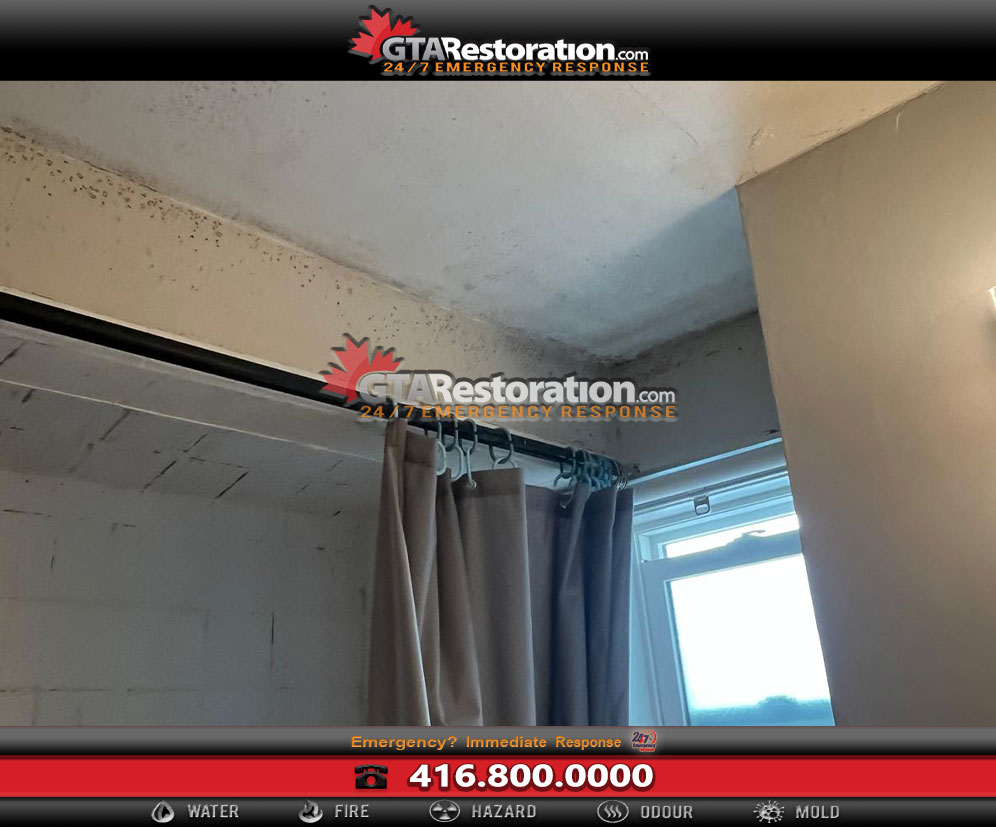
Tags: Black Mold, Black Mold Symptoms, Landlord Responsibilities, Landlord Responsibilities for Black Mold,

For non-emergencies use our contact form


Emergency? 24-Hours
416-800-0000Keep clear records and a repair plan. First, check the concern. Then, explain the work and keep tenants informed.
Note the date, location and signs of dampness. Also, keep photos and copies of messages so the history is clear.
Look for leaks, damp materials and poor airflow. Then, decide what needs work and how soon it should start.
Follow Ontario’s notice and entry rules. A repair request does not mean the landlord may enter at any time.
Match the work to the affected materials. Also, seek trained help for large areas or growth that keeps coming back.
Fix the moisture problem as part of the plan. Otherwise, mould can return even after the visible patch is cleaned.
Keep a written scope and job records. If the parties disagree about who caused the damage, get advice on costs.
Tenants should use the proper channels for repair complaints. Also, do not withhold rent or deduct costs on your own.
Finally, review the repairs and cleanup. Watch for returning dampness or odours, and tell the tenant about any further work.
Need help with a damp property?
Call GTA Restoration to discuss the damage and next steps.
Service Areas Across Canada
GTA Restoration serves communities across Canada, including Toronto and the GTA. U.S. locations are opening. Browse our Canadian service areas below, and contact us to confirm services and availability for your address.
Search
For Ontario rentals covered by the RTA, landlords must keep homes in good repair. The cause and facts also matter.
No. Colour cannot tell you its type or risk. Instead, check the growth and moisture source.
Do not withhold rent on your own. Instead, seek advice about what the LTB can order.
Not by itself. The landlord must still follow entry rules. However, emergencies and consent at entry can change the notice needed.
No. First, check the building and moisture source. For example, visible growth often needs cleanup without samples.
Keep records. Then, ask about local property standards help or an LTB T6 application if the RTA covers your rental.
Direct Billing & Insurance Claims
Ask your insurer about coverage, deductibles and the records it needs.

In-House Financing Available
Financing up to 24 months. No interest. No money down. Ask us about the terms.
Learn more ↴ 
RELATED ARTICLES





Call Us 416-800-0000
Emergency? 24/7 Restoration Help
We cover all GTA 24/7.
Head Office:
250 Consumers Rd,
#10
Toronto, ON
M2J 4V6,
Open 24 hours
Downtown Office:
1 Toronto St,
#10
Toronto, ON
M5W 1A1,
Open 24 hours
For non-emergencies use our contact form
Not sure what you need?
Call us today to find the best product for your situation.
Head Office:
101 Lebovic Ave,
Unit #10
Scarborough,
ON, M1L 4T7
Hours
24-Hours Open
Downtown Office:
250 Yonge Street,
Unit #1A
Toronto,
ON, M5B 2L7
Hours
24-Hours Open
Landlord Responsibilities for Black Mold: Ontario Guide
Get a quote today