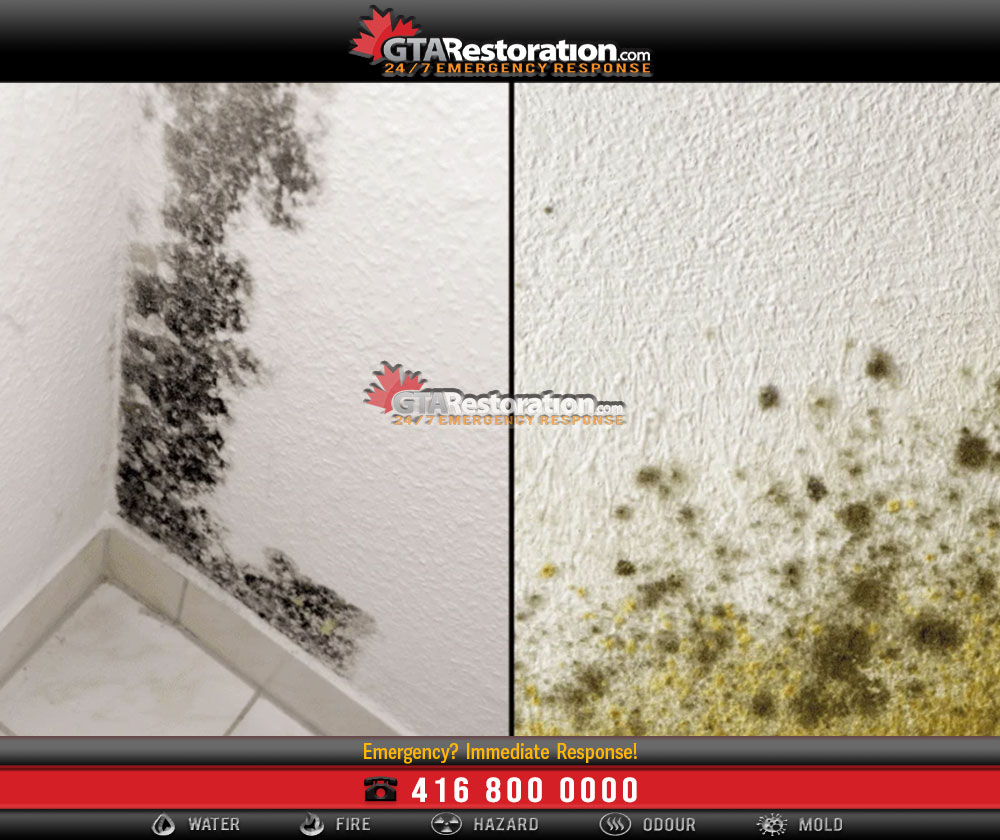
...

Signs of mold exposure and mold growth in damp areas of a home

What Are the Signs of Mold Exposure?

The signs of mold exposure can vary from person to person. Some people may cough, sneeze, or have itchy eyes. Others may notice that their asthma gets worse.

Mold often grows in wet areas of a home. You may find it near a leaking pipe, on damp walls, or in a wet basement. However, mold can also hide behind walls and under floors.

Not every cough or headache comes from mold. Many health problems have similar symptoms. For this reason, speak with a health care professional if you have ongoing symptoms.

Common Mold Exposure Symptoms

1. Coughing and Sneezing

Coughing and sneezing are common signs linked to indoor mold. Some people may also have a runny or blocked nose.

These symptoms can look like a cold or an allergy. However, mold is not the only possible cause.

2. Itchy or Watery Eyes

Mold may irritate your eyes. As a result, they may feel itchy, red, or watery.

Dust, pollen, and other things can cause the same symptoms. A doctor can help you find the cause.

3. Wheezing and Breathing Problems

Some people may wheeze or feel short of breath in damp buildings. Mold can also make asthma symptoms worse.

People with asthma or severe allergies may be more sensitive. If you have trouble breathing, seek medical help at once.

4. Skin and Throat Irritation

Some people may notice skin irritation or an itchy throat. These symptoms may occur with other allergy signs.

However, a rash alone does not mean mold is the cause. Other health issues may need to be checked.

5. Headaches and Tiredness

Headaches and fatigue can have many causes. Poor sleep, stress, illness, and other indoor air problems may play a part.

If you often feel unwell at home, note when the symptoms start. Also, look for leaks, damp spots, or strong smells.

Do not assume that mold is the cause based on headaches or fatigue alone.

6. Allergy and Asthma Flare-Ups

Mold may make existing allergies or asthma worse. For example, a person may cough more often or need more care for their asthma.

Children, older adults, and people with lung problems may face more risk.

These mold exposure symptoms are a reason to seek medical advice, especially if they keep coming back.

How to Find Mold in Your Home

Look for Visible Mold Growth

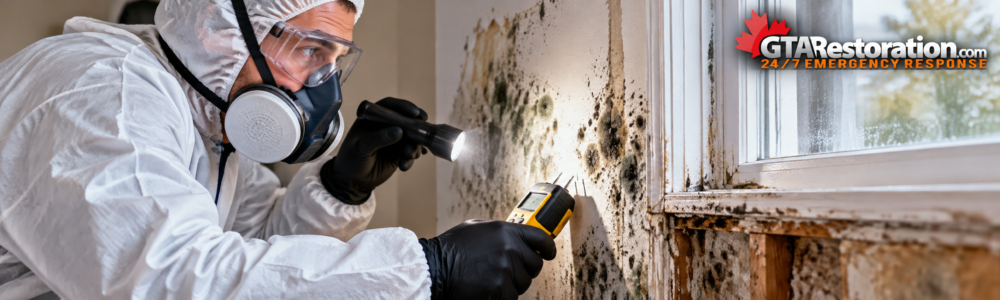
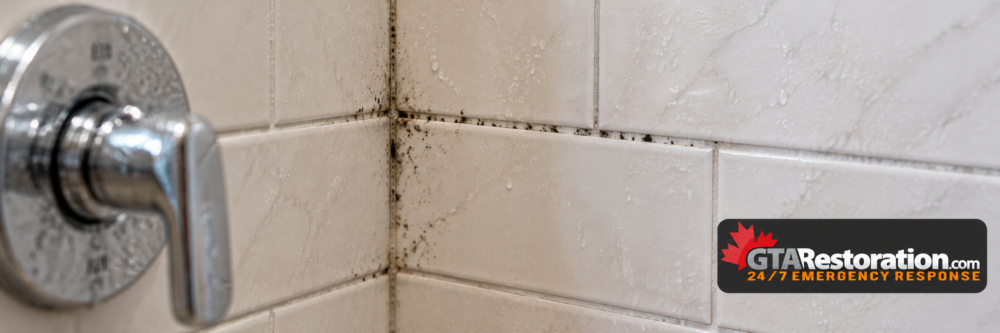
Mold can appear as black, green, grey, or white spots. You may see it on drywall, ceilings, or other damp surfaces.

However, colour alone cannot tell you how harmful mold may be. Any indoor mold growth needs attention.

Check for Musty Smells

A damp or musty smell may point to hidden mold. You may notice it in a basement, closet, or room with poor airflow.

Check for leaks and water stains. Also, look behind stored items where air may not flow well.

Watch for Water Damage

Wet floors, peeling paint, and stained walls may show that water has entered your home. Mold can grow when these areas stay damp.

Common problem areas include:

  • Bathrooms with poor airflow
  • Basements after heavy rain
  • Walls near leaking pipes
  • Ceilings below roof leaks
  • Areas around wet windows
  • Carpets and floors after a flood

Read our guide to signs of mold growth in your home for more advice.

What to Do if You Notice Signs of Mold Exposure

Speak With a Health Care Professional

If you have a cough, rash, or other symptoms that do not go away, speak with a health care professional.

Tell them about any mold, leaks, or damp areas in your home. They can review your symptoms and help you plan the next steps.

Seek urgent medical care for serious trouble breathing or other severe symptoms.

Find and Fix the Water Source

Mold needs moisture to grow. Therefore, fixing the water problem is a key step.

Repair leaking pipes and roof leaks. Also, dry wet materials as soon as it is safe.

Try to keep indoor humidity between 30% and 50%. Use bathroom fans and a dehumidifier when needed.

Clean Small Mold Areas Safely

Small mold patches on hard surfaces may be suitable for home cleaning. Health Canada advises using soap and water for many small areas.

Wear suitable gloves, eye protection, and an N95 mask during cleanup. Also, keep people who are sensitive to mold away from the work area.

However, large mold areas may need trained workers. Some moldy drywall, carpet, and other soft items may need removal.

For more advice, read Health Canada’s guide to mold in the home.

Do You Need Mold Air Testing?

Not every home needs an air test. If you can see mold or find clear water damage, you already have a reason to act.

Health Canada does not advise routine mold air testing in most homes. Instead, focus on finding moisture and fixing the problem.

In some cases, a trained expert may suggest more checks for hidden mold. This may help when the source remains unclear.

When to Call a Mold Removal Company

Call for help if mold covers a large area or keeps returning. Hidden mold and major flood damage may also need expert care.

GTA Restoration provides mold removal services in Toronto and the GTA. Our team can assess wet areas and plan safe cleanup.

Professional cleanup should address both the mold and the source of water. Cleaning alone will not stop mold if the area stays wet.

Knowing the signs of mold exposure can help you spot a concern. However, only a health care professional can assess your symptoms. For the building, focus on finding moisture, removing mold, and keeping the area dry.


Concerned About Mold in Your Home?

GTA Restoration provides mold checks, removal, and moisture cleanup for homes and businesses in Toronto and the GTA.

Found mold or damp walls? Contact our team to discuss safe cleanup options.

Call Us: 416-800-0000

Learn More

Mold Symptoms and Health Risks | Signs of Mold Growth | Mold Removal Toronto

Share this... Spread the word!


Common Signs of Mold Exposure

The signs of mold exposure may include coughing, sneezing, and itchy eyes. Some people may also wheeze or notice worse asthma symptoms.

However, these signs can have many causes. For this reason, speak with a doctor if you often feel unwell.

Who May Be More Sensitive to Mold?

People with asthma or allergies may react more to indoor mold. Children and older adults may also face more health risks.

If symptoms continue, seek medical advice. Also, tell your doctor about any damp areas or mold in your home.

How to Spot Mold in Your Home

Look for dark patches, wet walls, and musty smells. Mold often grows near leaks or in damp rooms.

For example, you may find growth in a basement or bathroom. In addition, mold may hide behind walls or under floors.

Therefore, check any area that stays wet.

How to Help Prevent Mold Growth

First, fix water leaks as soon as you can. Next, dry wet floors and walls after a flood.

Also, run bathroom fans to remove damp air. Try to keep indoor humidity between 30% and 50%.

As a result, your home may be less likely to develop mold.

Mold Testing and Safe Cleanup

Most homes do not need routine mold air tests. If you see mold, start by finding the source of moisture.

Small patches on hard surfaces may be safe to clean. However, large mold areas often need trained workers.

Above all, fix the water problem to help stop mold from returning.

Mold Removal Services in Toronto

GTA Restoration helps with mold and moisture problems across Toronto and the GTA.

Our team can check wet areas and plan safe cleanup. We also help after leaks and floods.

If you notice signs of mold exposure, seek medical advice for health concerns. Meanwhile, contact our team if you find mold or hidden moisture in your home.


Found Mold or Hidden Moisture?

Contact GTA Restoration for mold assessment and cleanup services in Toronto and the GTA.

Call Us: 416-800-0000


GTA Service Centre


Common Questions About Signs of Mold Exposure

What are the first signs of mold exposure?

Some people may cough, sneeze, or have itchy eyes. Others may notice worse asthma symptoms. However, these signs can also have other causes.

Can mold cause headaches and fatigue?

Headaches and fatigue have many causes. Therefore, they do not prove mold exposure. If symptoms continue, speak with a doctor.

Can mold make asthma worse?

Yes. Mold may cause wheezing or coughing in some people with asthma. As a result, they may need medical care if their symptoms get worse.

How can I tell if mold is in my home?

Look for visible growth, damp spots, or a musty smell. Also, check areas with past leaks or floods. Mold may hide behind wet walls.

Do I need an air test for mold?

Not always. Most homes do not need routine mold air tests. Instead, start by checking for leaks, moisture, and visible mold.


Learn more ↴


Direct Billing & Insurance Claims

Ask your insurer about coverage, deductibles and the records it needs.


Payment options

In-House Financing Available

Financing up to 24 months. No interest. No money down. Ask us about the terms.


Certifications & Insurance

View our firm certification, technician qualifications and insurance documents.

IICRC Certified Firm

GTA Restoration Inc.

Firm number 199912
Valid through

View IICRC certificate (PDF) — opens in a new tab

Business Insurance

GTA Restoration Group Inc.

$5 million general liability per occurrence
$8 million contractors pollution per claim
–

View insurance certificate (PDF) — opens in a new tab

IICRC Technician Qualifications

Richard Mark Provence · Registration 55726
Certificate expires

Water Damage Restoration · Fire & Smoke Restoration · Applied Microbial Remediation · Odor Control · Trauma & Crime Scene

View technician verification (PDF) — opens in a new tab

Insurance is subject to policy terms, conditions and exclusions.


Emergency? Click to Call!