

For non-emergencies use our contact form
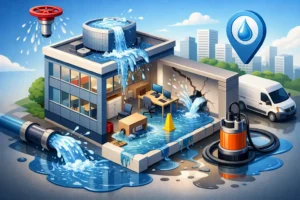
A burst supply line can release gallons of water in minutes. A washing machine hose can fail while you are away. A slow leak behind a wall can quietly damage insulation, flooring, and framing for weeks. In each case, water damage insurance can be a critical financial safeguard, but coverage depends on where the water came from, how the damage occurred, and how quickly the issue was addressed.
When water enters a home, condo, rental property, or commercial space, the first priority is stopping the source and protecting people from electrical, slip, structural, and contamination hazards. The insurance question matters, but waiting to begin mitigation can make a bad loss much worse. Fast extraction, moisture detection, drying, and documentation help protect the property and support a clearer claim.
What Water Damage Insurance Usually Covers
Most standard homeowners and commercial property policies may cover sudden and accidental water damage from inside the building. Common examples include a burst pipe, a failed appliance supply line, an overflowing sink or toilet, or a sudden leak from a water heater. If the event was unexpected and caused direct damage to insured parts of the property, the policy may help pay for emergency mitigation, repairs, and replacement of covered materials.
Coverage is not automatic, and every policy has its own limits, deductibles, endorsements, and exclusions. Insurers often look closely at the source of the water and the condition of the plumbing or appliance involved. A pipe that freezes and bursts may be covered, for example, while a long-running leak caused by neglected maintenance may not be.
Personal property coverage can also vary. Damaged furniture, clothing, electronics, inventory, and tenant belongings may be subject to separate limits. For condos, the unit owner, condominium corporation, and neighboring unit owners may each have different responsibilities depending on the governing documents and insurance policies.
Sudden damage versus gradual damage
This is one of the most important distinctions in a water claim. Sudden and accidental events generally have a stronger chance of coverage than gradual deterioration. A pipe that breaks without warning is different from a shower pan that has been leaking into the subfloor for months.
Insurance carriers may cover resulting water damage even when they do not pay to replace the failed component itself. For instance, a policy may help with damaged drywall and flooring after a supply line bursts, while excluding the cost of replacing the worn-out supply line. The details depend on the policy language, so avoid assuming that the entire loss will be handled the same way.
Water Events Often Requiring Extra Coverage
Some of the most destructive water losses are not fully covered under a basic property policy. Before an emergency happens, review whether your policy includes the protection your location and property type require.
Flooding from heavy rain, overflowing rivers, storm surge, or surface water often requires separate flood insurance. Water that enters through a foundation, window well, or ground-level opening may be treated differently than water released from an interior plumbing failure.
Sewer or drain backup is another major coverage issue. A municipal sewer backup, blocked drain, or backed-up toilet can introduce contaminated water into a basement or lower level. Many policies require a specific sewer backup endorsement for this type of event. Without it, the claim may have limited coverage or no coverage at all.
Groundwater seepage, foundation cracks, and repeated basement moisture problems may also fall outside standard coverage. These losses are often tied to maintenance, drainage conditions, or waterproofing needs rather than a sudden accidental event. That does not make the damage less urgent. It means the property owner may need to address the underlying cause directly to prevent repeat losses.
For landlords and commercial property operators, lost rental income or business interruption coverage can be equally important. If water damage makes a unit, office, retail space, or facility unusable, the physical repair is only part of the financial impact.
What to Do Immediately After Water Damage
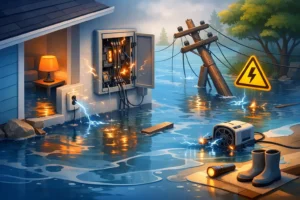
Your actions in the first hour can affect safety, the extent of damage, and the quality of your insurance documentation. If water is actively flowing, shut off the nearest safe water supply valve or the main water supply if necessary. If there is standing water near outlets, electrical panels, appliances, or exposed wiring, stay clear and arrange for professional help.
Then take clear photos and video before major cleanup begins, if it is safe to do so. Capture the source of the leak, the affected rooms, water levels, damaged materials, and any visible contents loss. Keep damaged items until the insurer advises otherwise, unless they create a health or safety risk.
Notify your insurer or broker promptly. Ask for a claim number, confirm your deductible, and ask whether the carrier has emergency mitigation requirements. You do not need to wait for an adjuster to remove standing water or begin reasonable drying measures. Property owners have a duty to prevent additional damage, and prompt mitigation is usually in everyone’s interest.
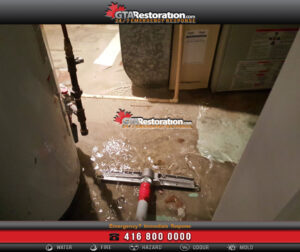
Avoid using household fans to dry sewage-contaminated water, extensive flooding, or hidden moisture inside walls and floors. Improper cleanup can spread contaminants, push moisture deeper into building materials, and create conditions for mold growth. Professional restoration teams use extraction equipment, commercial dehumidifiers, air movers, moisture meters, and containment methods based on the category and extent of the loss.
How Water Damage Insurance Claims Work
A strong claim is built on facts, not guesswork. The insurer will typically want to know when the damage was discovered, what caused it, what areas were affected, what emergency work was completed, and what repairs are necessary. A detailed restoration record can make that process easier.
Keep a written timeline from the start. Record the date and time of discovery, calls made, steps taken to stop the water, and conversations with the insurer. Save photos, invoices, receipts, estimates, and emergency service reports. If you had to relocate temporarily or close part of a business, keep records of related expenses and lost-use impacts as well.
A qualified restoration contractor can document moisture readings, affected materials, equipment placement, drying progress, and contamination conditions. This information helps show why emergency work was necessary and whether materials can be dried in place or must be removed. It also reduces disputes caused by incomplete documentation after walls, flooring, or ceilings have been opened.
GTA Restoration supports property owners, managers, and businesses with emergency mitigation and insurance-ready documentation after water losses. The objective is to stabilize the property quickly, identify hidden moisture, and create a clear record of the work required to return the space to a safe, usable condition.
Common Claim Mistakes That Can Create Problems
The biggest mistake is delaying action while waiting for clarity from the insurer. Water continues to travel through drywall, insulation, subfloors, and structural cavities. A small visible leak can become a much larger restoration project within hours.
Another mistake is throwing away damaged materials before they are documented. Take photographs first, keep samples when practical, and ask the adjuster or restoration professional how to handle unsalvageable contents. Do not sign repair contracts or accept a settlement without understanding the scope, deductible, depreciation terms, and any exclusions that may apply.
Property owners should also avoid misrepresenting the cause or timeline of damage. If a leak has been present for some time, disclose what you know. Accurate information protects your credibility and allows the restoration plan to address the full condition of the property, including potential mold, rot, or contamination concerns.
Prevention Can Protect Both Your Property and Policy
Insurance is designed for unexpected losses, not routine maintenance. Regular inspections of supply lines, water heaters, appliance hoses, roof penetrations, caulking, and foundation drainage can prevent many costly claims. Replace aging rubber hoses with braided supply lines, know where the main shutoff valve is located, and correct recurring basement moisture before a major storm exposes the problem.
For condominium managers and commercial operators, preventive plumbing inspections, leak detection, roof maintenance, and emergency response planning can reduce downtime across multiple units or tenant spaces. The cost of prevention is often far lower than the disruption caused by an after-hours water emergency.
If water is entering your property now, focus on the next right step: stop the source when safe, document the loss, notify your insurer, and bring in trained help before hidden moisture turns a manageable incident into a larger recovery.


 Facebook
  Instagram
  LinkedIn
  X / Twitter
  YouTube