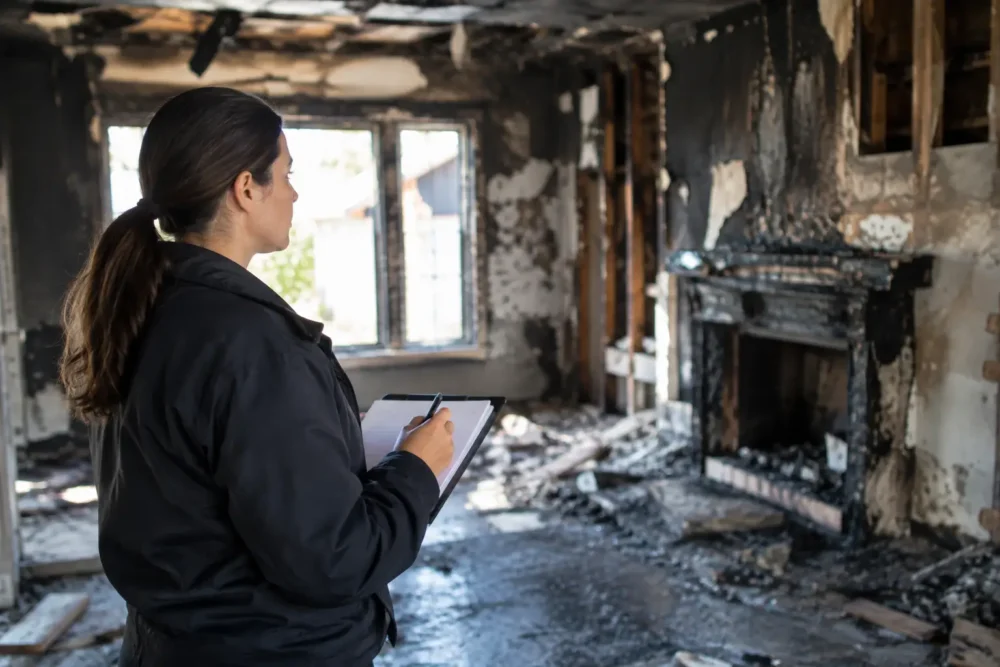
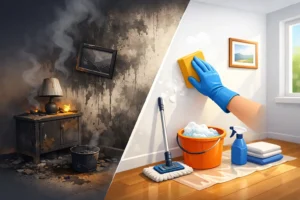
The first fire cleanup priorities begin before anyone touches a damaged item. A fire can leave unstable building materials, live electrical hazards, contaminated soot, and water from firefighting efforts. Protect people first, then protect the property from avoidable secondary damage.
Do not re-enter until the fire department or another authorized official says it is safe. If you smell gas, see damaged wiring, notice sagging ceilings, or find standing water near electrical equipment, stay out and report the concern. A fast cleanup is useful only when it does not create another emergency.
Fire Cleanup Priorities: Start With Safety
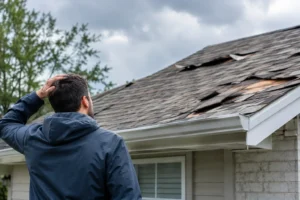
Fire damage rarely affects one surface alone. Heat can weaken drywall, framing, windows, and roof materials. Smoke can travel through vents and settle in rooms far from the flames. Water can soak flooring, insulation, and lower wall areas.
Keep children, tenants, visitors, and unprotected workers away from the affected space. Avoid using household vacuums or dry sweeping soot. These methods can spread fine particles into the air and push residue deeper into fabrics and porous surfaces. Do not turn on HVAC equipment until it has been assessed, since it may distribute smoke residue through the property.
If the building has a condo board, property manager, or landlord, notify them promptly. They may need to arrange access, inspect shared systems, or coordinate repairs affecting neighboring units. Commercial and facilities teams should also secure the area and identify any business-critical equipment, records, or inventory that needs prompt attention.
Make the property safe from further loss
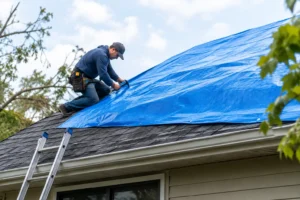
Once entry is approved, take simple steps to limit additional damage without disturbing the scene. Secure broken doors or windows where possible, protect exposed areas from weather, and remove unaffected belongings only if they can be moved safely. Do not dispose of damaged materials too soon. They may be needed for insurer review, building assessment, or repair planning.
Water deserves early attention. Fire hoses and suppression systems can leave moisture behind walls, beneath floors, and inside cabinets. That moisture can cause swelling, staining, odors, and mold growth if it remains. Professional moisture readings help locate wet materials that do not look wet at first glance.
Document Damage Before Cleanup Begins
Useful records make later decisions easier. Take wide photos of every affected room, then closer images of soot, char, water lines, damaged contents, and visible structural concerns. Capture appliance labels, electronics, furniture, and other higher-value items when safe to do so.
Create a simple written log with the fire date, when access was allowed, actions taken, and names of people who entered the property. Save receipts for emergency lodging, temporary protection, cleaning supplies, and other fire-related expenses. Keep these records in a cloud folder or another location away from the property.
Your insurer decides policy coverage and claim requirements. A restoration contractor can provide photos, moisture readings, cleanup records, estimates, and scope-of-work details, but cannot determine what a policy will cover. Ask your insurer before authorizing major disposal or repairs when possible.
Separate salvageable items from unsafe items
Not every smoky item needs replacement, and not every item can be cleaned safely. Non-porous materials such as glass, metal, and some plastics may respond well to specialized cleaning. Porous belongings, including upholstered furniture, mattresses, paper files, and unfinished wood, can hold smoke particles and odors more deeply.
Avoid washing soot-covered clothing with unaffected laundry. Do not use scented sprays as a substitute for cleaning. Fragrance can mask odors briefly while residue remains in place. A proper assessment considers the item, the type of fire residue, heat exposure, water exposure, and the cost of restoration compared with replacement.
Putting Fire Cleanup Priorities in Order
After safety and documentation, the next priority is a clear assessment. This identifies the fire, smoke, soot, and water damage across the structure and contents. It also helps set a sensible work sequence, so cleaning does not begin before the area is stabilized and moisture conditions are understood.
A thorough assessment may include checking ceilings, wall cavities, floors, insulation, windows, roof openings, HVAC components, and electrical areas. It should also identify where smoke moved beyond the main fire area. Kitchen fires, for example, can leave greasy residue that requires a different cleaning approach than dry soot from a paper or wood fire.
Clean residue using the right method
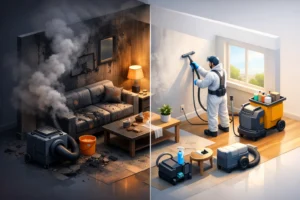
Soot is not simply dirt. It may be oily, dry, acidic, or mixed with water and debris. The wrong method can smear residue across surfaces, damage finishes, or set staining into textiles. Restoration work may involve controlled dry removal, wet cleaning, detailed surface cleaning, and odor treatment based on what the assessment finds.
Smoke odor also needs more than open windows. Particles can remain in drywall, insulation, carpeting, cabinetry, and ventilation components. Cleaning source materials comes first. Odor-control equipment and treatments may help after source removal, but they should not replace a careful cleaning plan.
Dry wet materials before repairs hide the problem
Fire cleanup often includes water damage restoration. Drying equipment may be needed to reduce moisture in structural materials and contents. Technicians use readings to track conditions and adjust the drying approach as materials respond.
Do not close walls, install flooring, or repaint wet surfaces simply to make the space look normal. Repairs should follow cleaning and drying, not cover unresolved moisture or residue. In some cases, affected drywall, insulation, carpeting, or cabinetry may need removal so the underlying area can be cleaned and dried.
Plan repairs around access and daily operations
Repairs may range from replacing a smoke-damaged door to rebuilding parts of a room. The practical plan depends on safety findings, material conditions, building rules, occupancy needs, and available access. For a condo, work may also require coordination with management for elevators, common areas, water shutoffs, or approved work hours.
For businesses, separate the immediate goal of stabilizing the site from the longer repair schedule. Protect equipment and records, identify spaces that must remain closed, and document each decision. Clear communication helps tenants, staff, property managers, and insurers understand what is happening without assuming a coverage decision.
GTA Restoration can help assess fire, smoke, soot, and water impacts, document conditions, and organize cleanup, drying, and repair work. If conditions change, such as a new odor, stain, or damp area, report it early rather than waiting for the repair phase.
A careful first day protects more than walls and belongings. It gives you cleaner records, safer access, and a better foundation for every decision that follows.
GTA Restoration serves communities across Canada, including Toronto and the GTA. U.S. locations are opening. Browse our Canadian service areas below, and contact us to confirm services and availability for your address.