...

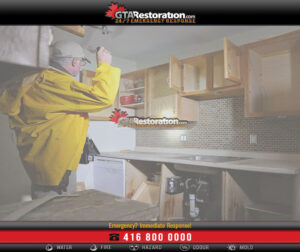
Inspector checking a kitchen with a flashlight, illustrating a visual mold assessment.


Mold Testing vs Inspection: What Are You Paying For?

Understanding mold testing vs inspection can help you avoid paying for a test you do not need. An inspection looks for growth and damp conditions. Testing checks air or surface samples. A test should help answer a clear question about the property.

When comparing mold testing vs inspection, start with a site check. GTA Restoration offers free visual visits in Toronto and the GTA. However, a free visit does not mean every test or report is free. Review our appointment details, and confirm what is included before booking.

Call Us: 416-800-0000

What a Visual Mold Assessment Can Include

First, the inspector asks about leaks, musty smells and past water damage. Then, they check rooms they can reach for growth, stains and damp materials. The visit should help show where water gets in or builds up.

Moisture meters may support those checks. Also, a thermal camera can show heat patterns that need a closer look. However, it does not see mold through walls or directly measure water content. Ask whether the quoted visit includes these tools.

What Paid Mold Testing Adds

Mold sampling collects material for a lab to examine. For example, an assessor may take an air sample or a swab from a surface. The test method affects what the lab can report, such as mold groups or spore counts.

However, the numbers need a clear explanation. Therefore, a useful service includes a sampling plan and an explanation of the results. Paying for a lab sheet alone may leave you unsure what to do next.

Is Mold Sampling Needed When Growth Is Visible?

Often, it is not. The EPA’s guidance on when testing is needed says sampling is usually unnecessary when mold growth is visible. Instead, the priority is to address the moisture and arrange suitable cleanup.

Also, you do not usually need a species name to decide that indoor growth needs attention. The size, location and affected materials help guide the work. Testing should not delay fixing an active leak.

When Mold Sampling May Help

Sometimes, a thorough inspection leaves a specific question unanswered. For example, there may be signs of past water damage, but the source of a persistent concern remains unclear. A qualified professional may then recommend a targeted test to help guide further checks.

Sampling may also form part of an agreed check after cleanup. However, the method must suit the job and answer a clear question. Before approving it, ask: How could this result change the next step? If the answer is unclear, ask if a closer site check would help more.

What Test Results Cannot Prove

However, an air sample shows what was in the air at that place and time. It does not check every wall cavity. Therefore, one low count cannot prove that a whole building has no hidden growth.

Likewise, a count does not diagnose illness or prove that a room is safe for everyone. There is no single health-based pass or fail count for indoor mold. Discuss symptoms with a healthcare professional, and assess building moisture concerns on their own evidence.

Home Test Kits and Hidden Growth

Mold spores occur indoors and outdoors. Therefore, spores in a home kit do not, by themselves, show where a problem lies. A kit cannot replace a careful check of the property.

If you suspect growth behind a wall, avoid cutting it open just to look. Breaking into moldy materials can spread spores. Instead, ask an experienced assessor to plan how to check hidden areas.

Mold Testing vs Inspection: How to Compare Value

The price alone does not show how useful a service will be. To compare mold testing vs inspection, ask what the work includes and how it will help. A free visual visit can be a helpful starting point. A detailed paid site check can also be useful without lab tests.

Compare the Quoted Scope

First, ask which rooms and materials the visit covers. Then, confirm whether the price includes moisture checks, photos and a written report. Ask about access limits, travel charges and fees for further visits.

If mold sampling is proposed, confirm the sample locations, number of samples, lab fees and turnaround time. Also, ask whether the plan needs samples from outdoors or other rooms for comparison. Get approval terms for extra tests or added work before work starts.

Choose Who Checks the Work

Ask about the assessor’s training and experience with moisture problems. Also, ask whether the same firm will quote for cleanup and review the finished work. For a large job or a dispute, consider a review by a separate firm.

A free visit can be thorough, while a paid test can still have limits. In both cases, look for clear findings, stated limits and reasons for the proposed work.

Ask for a Useful Report

A useful report links photos, site findings and moisture readings to clear next steps. If samples were taken, it should explain the method, results and limits. Also, ask which lab will do the work. Then, check that its accreditation covers the planned test.

If an insurer, buyer or other party needs documents, check what they need first. A lab report alone does not guarantee coverage or meet every request.

Fix Moisture and Plan Cleanup

After the site check, focus on stopping leaks and dealing with affected materials. Our remediation service overview explains cleanup options. If a leak has left wet building materials, ask about water damage cleanup and drying as well.

Then, review whether repairs worked and whether growth returns. The aim of comparing mold testing vs inspection is to choose work that helps answer your concern. Pay for a test when it adds useful information to that plan.


Unsure Whether Your Property Needs a Test?

Start with your concerns, the site conditions and a clear scope.
Call GTA Restoration to discuss a visual visit and any further work that may be useful.

Call Us: 416-800-0000

Learn More

What a Site Visit Includes | Cleanup Options | Help with Water Damage
Share this... Spread the word!


Mold Testing vs Inspection: Booking Checklist

Choose based on what you need to learn. First, explain the concern. Then, agree on the work and price before it starts.

1. Describe the Concern

Share details about leaks, stains and musty smells. Also, mention past floods, repairs or growth that keeps returning.

2. Check the Free Offer

Confirm what the visual visit includes. Ask whether moisture checks, photos or a written report have a separate fee.

3. Start with the Property

Look for damp materials and moisture sources. Often, a thorough site check helps guide the next step without lab tests.

4. Ask Why Testing Helps

If samples are proposed, ask what question they will answer. Then, discuss how the results could change the plan.

5. Review the Full Price

Confirm the sample count, lab fees and report costs. Also, agree on charges for extra visits before approving more work.

6. Understand the Limits

A test covers selected samples. Therefore, it cannot prove every area is clear or provide a personal health diagnosis.

7. Request Clear Findings

Ask for photos, findings and next steps. If samples were taken, also request an explanation of the results and limits.

8. Address the Cause

Finally, arrange moisture repairs and suitable cleanup. Check the area again to see whether dampness or growth returns.


Need help choosing the next step?
Call GTA Restoration to discuss your property and the scope of a visit.

Call Us: 416-800-0000


GTA Service Centre


Mold Testing vs Inspection: Common Questions

Is a free inspection the same as a test?

No. A visual visit checks building conditions. Testing checks selected samples. Also, confirm what the offer includes.

Do I need a test for visible mold?

Usually not. Instead, focus on fixing moisture and planning cleanup. Ask whether testing would change that work.

When might paid samples help?

They may help answer a specific unresolved question. First, have a qualified professional assess the site.

Can a result prove the home is safe?

No single result can do that. Also, an air test cannot diagnose a person's symptoms.

Are lab fees included in a free visit?

Do not assume so. Confirm sample, lab and report charges before agreeing to tests.


Learn more ↴


Direct Billing & Insurance Claims

Ask your insurer about coverage, deductibles and the records it needs.


Payment options

In-House Financing Available

Financing up to 24 months. No interest. No money down. Ask us about the terms.


Certifications & Insurance

View our firm certification, technician qualifications and insurance documents.

IICRC Certified Firm

GTA Restoration Inc.

Firm number 199912
Valid through

View IICRC certificate (PDF) — opens in a new tab

Business Insurance

GTA Restoration Group Inc.

$5 million general liability per occurrence
$8 million contractors pollution per claim
–

View insurance certificate (PDF) — opens in a new tab

IICRC Technician Qualifications

Richard Mark Provence · Registration 55726
Certificate expires

Water Damage Restoration · Fire & Smoke Restoration · Applied Microbial Remediation · Odor Control · Trauma & Crime Scene

View technician verification (PDF) — opens in a new tab

Insurance is subject to policy terms, conditions and exclusions.


Emergency? Click to Call!