
Tags: Indoor Humidity, Mold Growth, Spring Mold, Water Leaks,
For non-emergencies use our contact form


Emergency? 24-Hours
416-800-0000Useful spring mold prevention focuses on moisture, access and regular checks. Keep notes about damp areas so each inspection starts with the history of your home.
Look for changes near basement walls, windows and ceilings. Record when dampness appears and whether plumbing was in use.
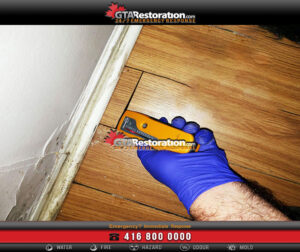
Measure conditions in damp rooms and maintain equipment used to control moisture. A reading is more useful than guessing from how a room feels.
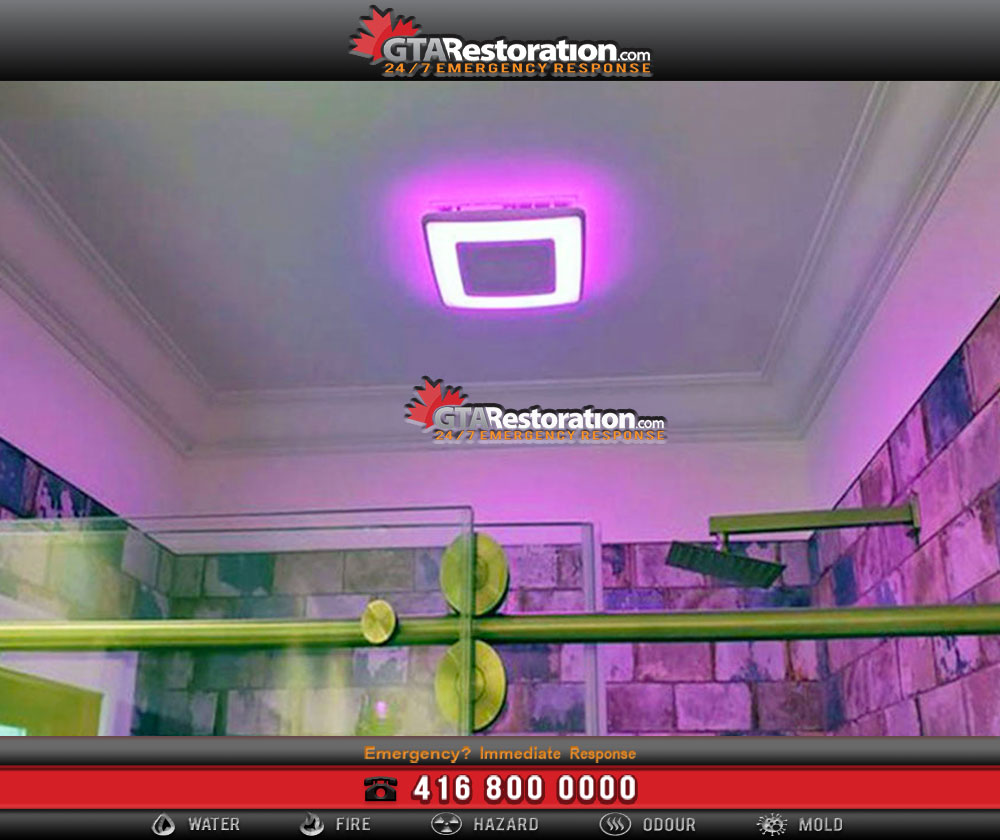
Check whether the fan draws air and vents outdoors. Arrange repair for a damaged or ineffective fan before dampness becomes routine.
Store clean, dry belongings where floors and walls remain accessible. Do not pack away wet items or cover a damp surface.
A returning mark needs a source check. Surface cleaning alone may leave a leak or condensation problem unresolved.
Tell the team about confined areas, damaged flooring or suspect materials. Avoid opening walls yourself to search for hidden growth.
In condos and rentals, involve the responsible manager. Shared walls, pipes and ventilation may need coordinated access and approval.
Retain photos and details of completed repairs. These help show whether moisture returns after rain, bathing or humid weather.
Describe the mould concern, affected rooms and water history. Ask what the assessment includes before agreeing to work.
Service Areas Across Canada
GTA Restoration serves communities across Canada, including Toronto and the GTA. U.S. locations are opening. Browse our Canadian service areas below, and contact us to confirm services and availability for your address.
Search
Rain, thawing snow and changing indoor humidity can reveal moisture problems. Check when dampness appears rather than assuming the season alone is the cause of growth.
No. Humid outdoor air can add moisture to a cool basement. Check conditions and use ventilation or dehumidification suited to the space, alongside repairs to any water source.
It does not repair a leak or dry wet materials. Focus on moisture control and assessment of affected surfaces; filtration is not a substitute for addressing the source.
Testing is not an automatic requirement. Ask what a sample would establish and how the result would change the plan. Visible growth and moisture conditions still need attention.
Describe the affected rooms, visible growth, odour and recent leaks. Also mention previous cleaning, recurring stains and any access restrictions so the assessment can address the actual concern.
Learn more ↴ 
Latest Articles
Direct Billing & Insurance Claims
Ask your insurer about coverage, deductibles and the records it needs.

In-House Financing Available
Financing up to 24 months. No interest. No money down. Ask us about the terms.
Certifications & Insurance
View our firm certification, technician qualifications and insurance documents.

IICRC Certified Firm
GTA Restoration Inc.
Firm number 199912
Valid through

Business Insurance
GTA Restoration Group Inc.
$5 million general liability per occurrence
$8 million contractors pollution per claim
–
IICRC Technician Qualifications
Tony Sokol T. Lleshi · Registration 214520
Valid through
Water Damage Restoration · Fire & Smoke Damage Restoration · Applied Microbial Remediation · Odor Control · Trauma & Crime Scene
View technician verification (PDF) — opens in a new tabInsurance is subject to policy terms, conditions and exclusions.





Call Us 416-800-0000