...
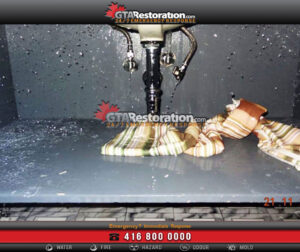
Clogged kitchen sink drain with standing water in a Toronto home
Clogged kitchen sink drain in a Toronto home

What to Do If You Have a Clogged Drain

Knowing what to do if you have a clogged drain can help you avoid leaks, water damage, and costly repairs. A blocked sink may start with slow water flow. However, the problem can grow if you leave it alone.

Hair, food scraps, grease, and soap can build up inside pipes. Over time, these items may stop water from draining. As a result, sinks, tubs, and floor drains may fill with standing water.

Some small clogs are easy to clear. However, deeper blockages may need a plumber. The right steps depend on where the clog is and how much water has backed up.

Safe Ways to Clear a Clogged Drain

1. Stop Using the Affected Drain

First, stop running water into the sink or tub. This helps prevent an overflow while you check the problem.

If water is already rising, avoid using nearby fixtures until you know what caused the blockage. Also, check for leaks under the sink.

2. Remove Visible Debris

Next, check the drain opening for hair, food, or other debris. You may be able to remove a small clog by hand with gloves or a simple drain tool.

However, do not push sharp tools deep into the pipe. They may damage the drain or make the blockage worse.

3. Try a Plunger for a Small Blockage

A sink plunger may help clear a simple clog. If you have not used chemical drain cleaners, you can try a few gentle plunges.

Make sure the plunger seals around the drain. Then, use steady pressure. Stop if the water level rises or the drain begins to leak.

If the blockage remains, a plumber may need to check deeper inside the pipe.

4. Avoid Harsh Chemical Drain Cleaners

Some people pour strong drain cleaners into a blocked sink. However, these products may cause burns and create risks for anyone who works on the pipe.

Never mix drain cleaners with bleach or other products. Also, do not plunge a drain that contains chemical cleaner, as it may splash onto your skin.

Instead, consider safer methods or contact a trained plumber. If you already used a chemical product, tell the plumber before work begins.

Common Mistakes That Make Drain Clogs Worse

When learning what to do if you have a clogged drain, it also helps to know which mistakes to avoid.

Ignoring a Slow Drain

A slow drain may be the first sign of a growing clog. At first, water may still pass through the pipe. However, grease, hair, and other waste can continue to build up.

For this reason, it is best to deal with slow drainage before water starts backing up.

Taking Pipes Apart Without a Plan

Some people remove sink pipes to look for a blockage. However, this may cause leaks if the parts are not put back in place correctly.

Before opening a trap, make sure no one will use the fixture and that the pipe does not contain hazardous chemicals. If you are unsure, call a plumber.

Putting Grease or Wipes Down the Drain

Cooking grease can cool and stick to pipe walls. Over time, it may form a hard blockage. Even wipes marked as flushable can cause drain problems.

The City of Toronto explains what should never go down a drain. Following these tips can help lower the risk of clogs and sewer backups.

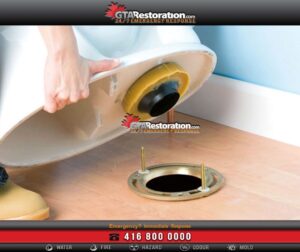
Blocked drain and plumbing inspection in a Toronto property
Blocked drain in a Toronto property

When Is a Clogged Drain an Emergency?

A single slow sink may point to a local clog. However, several blocked fixtures can be a sign of a larger drain or sewer problem.

Watch for these warning signs:

  • Water backing up into a sink, tub, or floor drain
  • Several drains becoming slow at the same time
  • Toilets overflowing or failing to flush
  • Gurgling sounds from nearby drains
  • Strong sewage smells
  • Dirty water rising in a basement drain

If sewage enters your property, stop using the affected plumbing. Keep children and pets away from the water. Also, avoid touching sewage without suitable safety gear.

A clogged drain causing a sewage backup needs prompt attention. A plumber can help locate the blockage. If sewage has entered rooms, a restoration team may also need to clean and dry the affected areas.

When to Call an Emergency Plumber

If water keeps backing up or a drain will not clear, contact an experienced plumber. Deep blockages may require drain tools or a camera check.

GTA Restoration provides emergency plumbing support in Toronto and the GTA. Our team can help assess urgent drain and water damage concerns.

For larger backups, you may also need sewage backup cleanup to address dirty water and affected materials.

Knowing what to do if you have a clogged drain helps you act before a small problem becomes a major repair. When safe steps do not work, get help before the blockage causes more damage.


Need Help With a Clogged Drain in Toronto?

GTA Restoration provides emergency plumbing and water damage cleanup support in Toronto and the GTA.

If sewage is backing up, stop using your drains and keep people away from the affected area.

Call Us: 416-800-0000

Learn More

Tips to Avoid Plumbing Emergencies | Preventing Sewer Backup | Most Common Plumbing Problems

Share this... Spread the word!


Why Drains Get Blocked

Clogged drains are common in homes and businesses. Hair, soap, food scraps, and grease may collect inside pipes. Over time, this waste can slow the flow of water.

Knowing what to do if you have a clogged drain can help you spot trouble early. For example, slow water flow or gurgling sounds may point to a blockage.

However, not every clog has the same cause. Some form near the drain opening, while others develop deeper in the plumbing system.

Simple Ways to Prevent Drain Clogs

Small habits can help keep your drains clear. First, use a sink strainer to catch food and other waste. Also, remove hair from bathroom drains before it builds up.

Never pour cooking grease into your sink. Instead, let it cool and dispose of it in the proper waste bin.

Avoid flushing wipes, paper towels, and other items that do not break down like toilet paper. These products may block pipes and lead to sewer backups.

When to Call a Plumber

A slow drain may be easy to clear. However, a blockage that keeps returning may need a closer look.

Call a plumber if several drains stop working, dirty water backs up, or you notice leaks around pipes. These signs may point to a larger problem.

Emergency drain cleaning may help prevent water from spreading into nearby rooms. A trained plumber can check the pipe and choose suitable tools.

Protecting Your Property From Water Damage

A blocked drain can sometimes cause an overflow. As a result, water may reach floors, cabinets, and nearby walls.

If this happens, stop using the affected fixture and address the leak or blockage. You may also need water removal and drying to limit further damage.

GTA Restoration provides emergency plumbing and restoration support in Toronto and the GTA. Our team can help you understand the next steps when a drain problem leads to property damage.

Above all, do not ignore a drain that keeps backing up. Early action may help reduce cleanup costs and avoid a larger repair.


Clogged Drain or Plumbing Emergency?

Contact GTA Restoration for emergency plumbing and water damage cleanup support.

Call Us: 416-800-0000


GTA Service Centre


Frequently Asked Questions About Clogged Drains

What should I do first if my drain is clogged?

Stop running water into the affected drain. Next, check for visible debris. If the clog is small and no chemicals are present, a sink plunger may help.

Can I use chemical drain cleaners?

Strong drain cleaners can cause burns and may create risks during pipe repairs. Never mix cleaning products. Instead, try a safe method or call a plumber.

Why does my sink keep getting clogged?

Hair, grease, soap, and food scraps can collect inside pipes. However, repeat clogs may point to a deeper problem that needs a plumbing check.

Can a clogged drain cause sewage backup?

Yes. A blockage in a drain or sewer line may force wastewater back into your property. If this happens, stop using the plumbing and seek help.

How can I prevent blocked drains?

Use drain strainers and keep grease out of sinks. Also, avoid flushing wipes and other waste that may block pipes.


Learn more ↴


Direct Billing & Insurance Claims

Ask your insurer about coverage, deductibles and the records it needs.


Payment options

In-House Financing Available

Financing up to 24 months. No interest. No money down. Ask us about the terms.


Certifications & Insurance

View our firm certification, technician qualifications and insurance documents.

IICRC Certified Firm

GTA Restoration Inc.

Firm number 199912
Valid through

View IICRC certificate (PDF) — opens in a new tab

Business Insurance

GTA Restoration Group Inc.

$5 million general liability per occurrence
$8 million contractors pollution per claim
–

View insurance certificate (PDF) — opens in a new tab

IICRC Technician Qualifications

Tony Sokol T. Lleshi · Registration 214520
Valid through

Water Damage Restoration · Fire & Smoke Damage Restoration · Applied Microbial Remediation · Odor Control · Trauma & Crime Scene

View technician verification (PDF) — opens in a new tab

Insurance is subject to policy terms, conditions and exclusions.


Emergency? Click to Call!