...
Emergency plumbing steps and water damage cleanup

Emergency plumbing steps start with people, then the water source. Keep everyone away from hazards. Next, close a safe, accessible shutoff valve and call for help. A burst pipe or drain backup can leave water beneath floors even after the flow stops.

Use this guide to plan a calm response in your home, condo or workplace. In Toronto and the GTA, tell the plumber and cleanup team where the leak began. Also mention any wet lights, sagging ceilings or dirty drain water before they arrive.

Emergency Plumbing Steps Before Cleanup

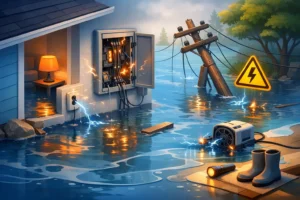
Keep clear of electrical hazards

First, keep children and pets out of the wet area. Do not enter standing water near outlets, cords or appliances. Water can carry an electrical current even when you cannot see a spark. If there is an immediate threat to life, call 911 from a safe place.

Never cross a wet floor to reach a breaker panel. Instead, arrange safe power isolation through qualified help. Ontario’s Electrical Safety Authority explains these risks in its flood safety guidance. A dry-looking appliance may still need an electrical check after water exposure.

Close the right water valve

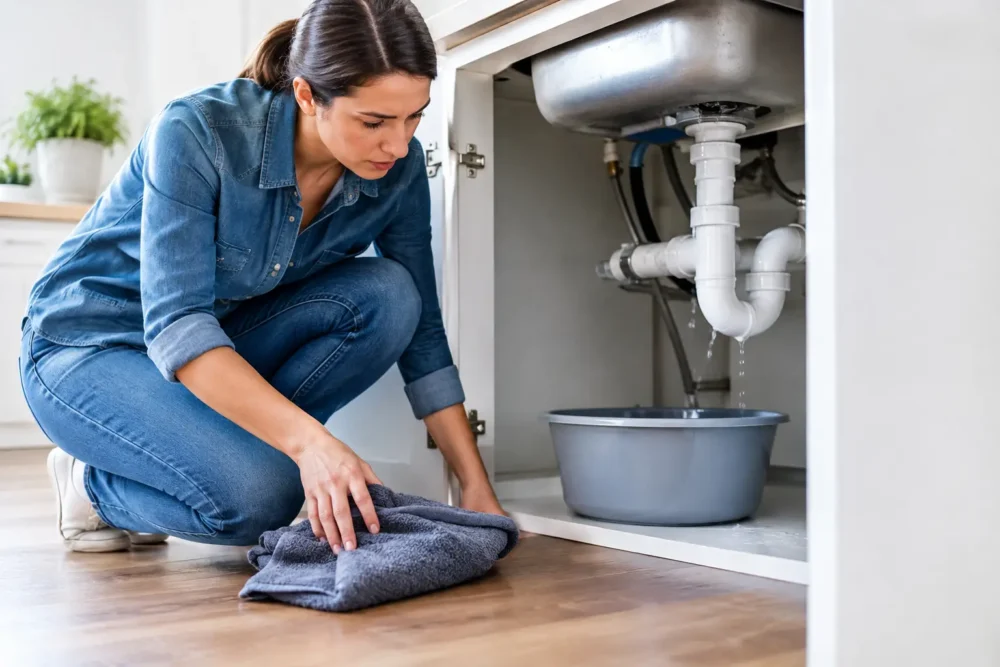
For a clear supply leak, use the nearby fixture valve if you can reach it safely. For example, a toilet or washing machine may have its own valve. Close it gently; forcing a stuck handle can damage the fitting.

If that valve fails, ask about the main shutoff. In a condo, contact building staff to locate the correct valve. However, do not alter a shared fire sprinkler system. A drain backup needs a different response: stop using sinks, toilets and appliances that send more water into the drain.

Protect Dry Belongings and Record the Leak

Once access is safe, move dry papers, small rugs and loose items away from the edge of the water. Leave heavy furniture and wet electrical items for the crew. Also avoid standing beneath a bulging ceiling. Do not poke holes in it to release trapped water.

Next, take photos from dry ground. Show the source, wet rooms and damaged items. Note when you found the leak and when the flow stopped. Our guide to recording water damage explains which details to keep together.

These emergency plumbing steps should support safe work, not delay urgent help. Call your insurer promptly, retain receipts and ask before discarding damaged items when practical. The insurer reviews coverage under your policy; a cleanup crew cannot promise approval.

Plan the Plumbing Repair and Drying Work

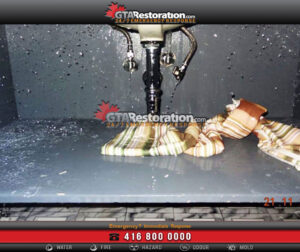
A plumber repairs the source. A restoration team checks what the escaped water has reached. For instance, water may run behind skirting boards or settle below a cabinet. As a result, a small puddle can hide a larger wet area.

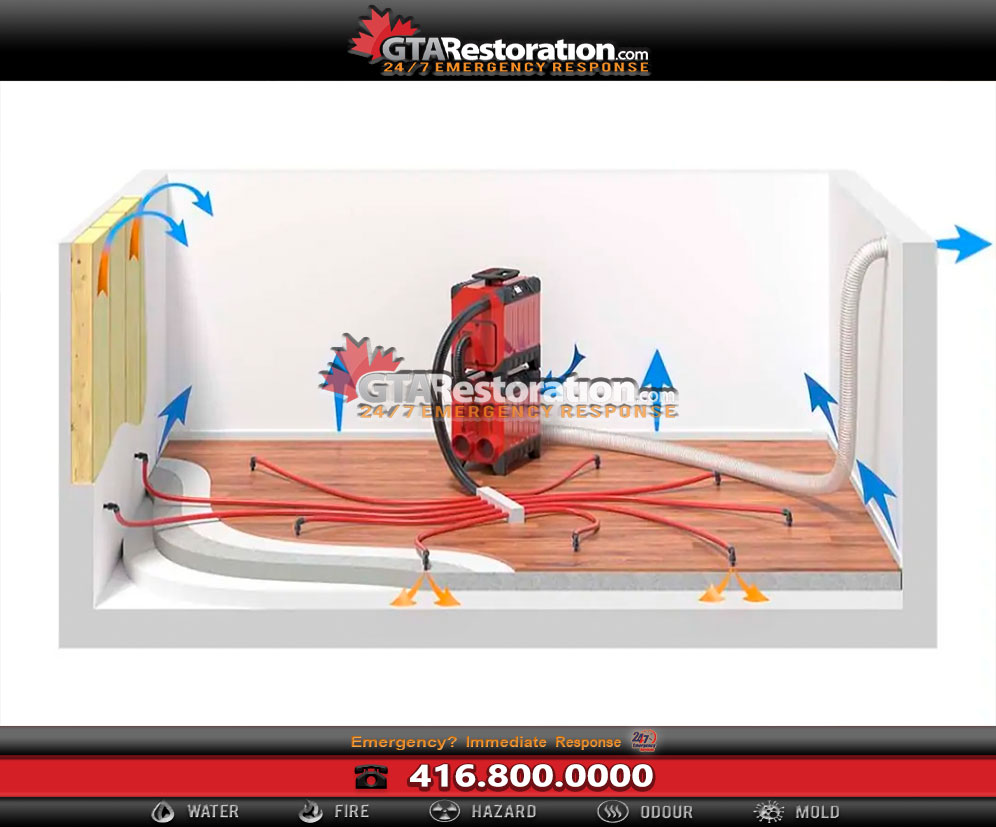
Ask for a clear scope: water removal, cleaning, moisture checks and any material removal. Then ask how the team will track drying. Our water removal and drying guide explains why both stages matter.

A sewer backup needs extra care because the water may carry waste. Avoid contact and do not blow fans across dirty materials. Keep clean rooms separate while the crew plans access, removal and cleaning.

Finish Your Emergency Plumbing Steps With a Follow-Up

Finally, keep the plumber’s findings and the drying records in one file. Check the repaired area for new drips, stains or damp smells. If a sign returns, report it before covering the surface with paint or new flooring.

GTA Restoration can discuss cleanup and drying after a plumbing emergency. Call 416-800-0000 for Toronto and GTA enquiries. Share the water source, affected rooms and access needs so the team can explain the next step.

Share this... Spread the word!


Support After a Plumbing Emergency

Good emergency plumbing steps connect the leak repair with a clear cleanup plan. Share what happened, which rooms are wet and any hazards that prevent safe access.

Safe Access During a Plumbing Emergency

Keep a dry route open for the crew. Also explain any wet electrical fittings, ceiling damage or locked rooms before work starts.

Confirm the Leak Source

Ask the plumber to record the failed pipe, valve or fixture. This helps separate the repair from the work needed on wet building materials.

Water Removal and Moisture Checks

Once the area is safe, the team can remove standing water and check walls, cabinets and floor edges. The water source helps guide equipment choices. Also ask about hidden layers; a dry surface alone does not show that they are dry.

Handle Drain Water Carefully

Tell the crew if a drain or toilet backed up. Dirty water may change the cleaning plan and which soft materials can be kept.

Drying After a Burst Pipe

Keep drying equipment in its agreed place. Report power loss or a full water container so the crew can review progress and adjust the plan.

Protect Nearby Contents

List items that need special care, such as records or electronics. Photograph their condition, then agree on a safe move or storage plan.

Coordinate Condo Access

Notify building staff when water may cross a shared wall or floor. In addition, arrange access times and explain any work in common areas.

Plumbing Emergency Records

Save the scope, invoices, photos and drying readings. These records support repair planning and your insurer’s review of the loss.

Need help with emergency plumbing steps after the leak stops? Call to discuss water damage cleanup in Toronto and the GTA.

Call Us: 416-800-0000


GTA Service Centre


Plumbing Emergency FAQs

Which valve should I close first?

Use a safe, accessible fixture valve for a clear supply leak. Otherwise, ask for help with the main shutoff.

Can I walk through shallow water?

Stay out if electricity, sewage or unstable materials may be involved. Shallow water can still be unsafe.

Why is drying needed after the repair?

The repair stops new water. Drying addresses moisture left in floors, walls and other materials.

Should I notify condo management?

Yes. Water may affect shared systems or another unit, so staff need to know about the leak promptly.

What records should I keep?

Save dated photos, the plumber's findings, cleanup invoices and drying records. Ask your insurer what else it needs.


Learn more ↴


Direct Billing & Insurance Claims

Ask your insurer about coverage, deductibles and the records it needs.


Payment options

In-House Financing Available

Financing up to 24 months. No interest. No money down. Ask us about the terms.


Certifications & Insurance

View our firm certification, technician qualifications and insurance documents.

IICRC Certified Firm

GTA Restoration Inc.

Firm number 199912
Valid through

View IICRC certificate (PDF) — opens in a new tab

Business Insurance

GTA Restoration Group Inc.

$5 million general liability per occurrence
$8 million contractors pollution per claim
–

View insurance certificate (PDF) — opens in a new tab

IICRC Technician Qualifications

Tony Sokol T. Lleshi · Registration 214520
Valid through

Water Damage Restoration · Fire & Smoke Damage Restoration · Applied Microbial Remediation · Odor Control · Trauma & Crime Scene

View technician verification (PDF) — opens in a new tab

Insurance is subject to policy terms, conditions and exclusions.


Emergency? Click to Call!