
For non-emergencies use our contact form
A ceiling stain below an upstairs unit can turn into damaged flooring, mold risk, and an insurance dispute within hours. This condo water damage responsibility guide explains how responsibility is commonly determined, what to do before damage spreads, and why the source of the water is only one part of the answer.
Water incidents in condominiums involve multiple parties: the unit owner, a neighboring owner, the condominium corporation or HOA, the property manager, and one or more insurers. The right response is not to wait for everyone to agree on fault. Stop the water, protect affected areas, document conditions, and begin professional drying immediately.
Condo Water Damage Responsibility: Start With the Source
The first question is where the water came from. A leak from a failed supply line inside a unit is handled differently than water entering through a failed roof, a broken building riser, or a backed-up shared drain. However, the source does not automatically decide who pays for every part of the loss.
Responsibility is usually determined by four factors: the origin of the water, whether the failed component serves one unit or multiple units, the condominium declaration and bylaws, and the insurance policies involved. Building rules vary significantly, so owners should avoid relying on a neighbor’s opinion or a general rule found online.
A professional inspection can help identify the actual path of water. Moisture may travel through ceilings, wall cavities, insulation, and flooring before it becomes visible. The unit where damage appears is not always the unit where the problem began.
Common elements versus unit components
Common elements generally include building systems and areas used or maintained collectively, such as roofs, exterior walls, corridors, main plumbing stacks, central HVAC equipment, and shared drainage systems. When a failure in a common element causes water damage, the condo corporation’s master policy may respond to repairs covered under that policy.
Unit components are often the owner’s responsibility, but the definition of a unit can be more complicated than it sounds. A declaration may define a standard unit as unfinished walls, subfloor, basic fixtures, or other original construction elements. Upgrades such as hardwood flooring, custom cabinetry, renovated bathrooms, and finished basements may be considered owner improvements, even when the building policy covers part of the underlying structure.
For that reason, two units with the same amount of water damage can have different insurance outcomes. One owner may have standard finishes, while another has extensive upgrades requiring coverage under a personal condo policy.
Who May Be Responsible in Common Water Damage Scenarios
A leaking dishwasher hose, overflowing bathtub, failed washing-machine connection, or neglected toilet seal inside a unit often places responsibility on that unit owner. If the leak damages the unit below, the affected owner may file through their own insurer first, while insurers later assess recovery options. Direct payment from one neighbor to another is not always appropriate, especially before the cause is confirmed.
A failed vertical plumbing stack, roof leak, burst pipe in a shared mechanical area, or water intrusion through an exterior wall may fall under the condo corporation’s maintenance obligations. Even then, a deductible may apply. In many condominium communities, deductible responsibility can be charged back to an owner if the governing documents and local rules allow it and the loss originated from that owner’s unit or actions.
Sewer backups require special attention. A backup from a municipal sewer, shared building drain, or blocked stack can contaminate multiple units and common areas. This is not ordinary clean water damage. Category 3 water may contain harmful contaminants, requiring controlled removal, disinfection, protective equipment, and documented remediation.
Weather-related water intrusion can also be divided between parties. A roof failure may be a building responsibility, while damage to owner-installed finishes, furniture, electronics, and personal property may fall to the unit owner’s insurance. If an owner left a window open during a storm, the outcome can change again.
What to Do in the First Hour
Water damage does not pause while responsibility is being sorted out. Wet drywall can deteriorate quickly, flooring can cup or delaminate, and concealed moisture can support mold growth. Take immediate, safe action.
First, stop the source if you can do so safely. Shut off the fixture valve, turn off the unit’s water supply, or contact building management for emergency access to a shutoff. If water is near outlets, electrical panels, or appliances, stay clear and request qualified help.
Next, notify the property manager or condo board immediately. A leak may be affecting units above, below, or beside yours, and building staff may need to inspect common plumbing or arrange access. Record who you contacted, the time of the report, and any instructions received.
Then document the scene before moving damaged property when possible. Take photos and video of the source, visible water, damaged surfaces, personal belongings, and affected rooms. Keep receipts for emergency mitigation, temporary accommodation, and necessary purchases. Documentation supports both the restoration plan and the insurance claim.
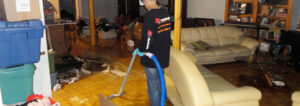
Finally, arrange professional water extraction and drying. Towels and household fans are rarely enough when water has reached walls, subfloors, ceilings, or insulation. Moisture detection, controlled demolition where required, commercial drying equipment, and daily monitoring reduce the chance of secondary damage.
Insurance: Master Policy, Unit Policy, and Deductibles
The condo corporation typically carries a master insurance policy for common elements and specified building property. Individual owners typically carry condo insurance for personal belongings, liability, additional living expenses, and unit improvements or betterments. Coverage terms, exclusions, limits, and deductibles differ by policy.
Do not assume the master policy will restore your unit exactly as it was. The policy may only cover the standard unit definition, while your own policy may be needed for upgraded finishes. It may also exclude certain water events, such as repeated seepage, maintenance-related deterioration, or some sewer backup losses.
Report the incident to your insurer promptly, even if you believe another party is responsible. Your insurer can explain available coverage, arrange an adjuster if needed, and determine whether it may pursue recovery from another insurer later. Delaying a report can complicate the claim and make it harder to prove the full extent of the loss.
Ask your property manager for the relevant sections of the declaration, bylaws, rules, and master policy information. Request the standard unit definition in writing. These documents are often more useful than verbal assurances about who is responsible.
Why Fault Should Not Delay Drying
A common mistake is waiting for an adjuster, manager, or neighbor to accept responsibility before beginning mitigation. That delay can increase the total cost of the loss and create preventable health concerns. Owners and managers have a duty to take reasonable steps to prevent further damage.
Emergency restoration should be documented carefully. A qualified team can photograph affected materials, create moisture maps, record equipment placement, preserve damaged materials when needed, and provide invoices and drying records for insurers. This protects the property while creating a clear record of what happened and why the work was necessary.
GTA Restoration provides 24/7 emergency water removal, leak detection, drying, and condominium restoration support for Toronto and GTA properties. In multi-unit losses, coordinated communication with unit owners, property managers, plumbers, and insurance representatives helps limit disruption and avoid missed damage in neighboring spaces.
Preventing the Next Condo Water Loss
Many condo water losses start with small maintenance issues. Replace aging washing-machine hoses, inspect toilet connections, avoid leaving dishwashers or washing machines running unattended, and address slow drains early. If your unit is vacant for extended periods, follow building requirements for water shutoff, temperature control, and periodic inspections.
Property managers can reduce building-wide exposure by maintaining plumbing stacks, monitoring mechanical rooms, confirming emergency contact procedures, and reviewing deductible chargeback rules with owners before a loss occurs. Clear expectations do not eliminate water damage, but they make the response faster when it happens.
When water enters a condo, the immediate priority is simple: protect people, stop the source, and dry the building correctly. Responsibility can be sorted out with documents, inspections, and insurers after the property is stabilized.


 Facebook
  Instagram
  LinkedIn
  X / Twitter
  YouTube