
...
Mold Removal and Mould Remediation Toronto - GTA Restoration

Emergency? 24-Hrs

416.800.0000
  • Home Restore
  • Emergency Services
    • Emergency Plumbers 24/7
    • Water Damage Restoration
    • Flooded Basement
    • Mold Remediation Toronto
    • Sewer Backup Remediation
    • Fire & Smoke Restoration
    • Odour Removal Toronto
    • Biohazard Cleanup
    • Emergency Roofing Repair
    • Water Leak and Detection
    • Condominium Restoration
    • Basement WaterProofing
    • Property Inspection Toronto
    • Sanitizing and Disinfection
    • Insurance Claim Appraisers
    • Equipment for Rent Toronto
    • Privacy Policy & Service Terms
  • Commercial Restoration
  • Blog
  • Our Team
  • Contact
26 September 2026 - Categories:

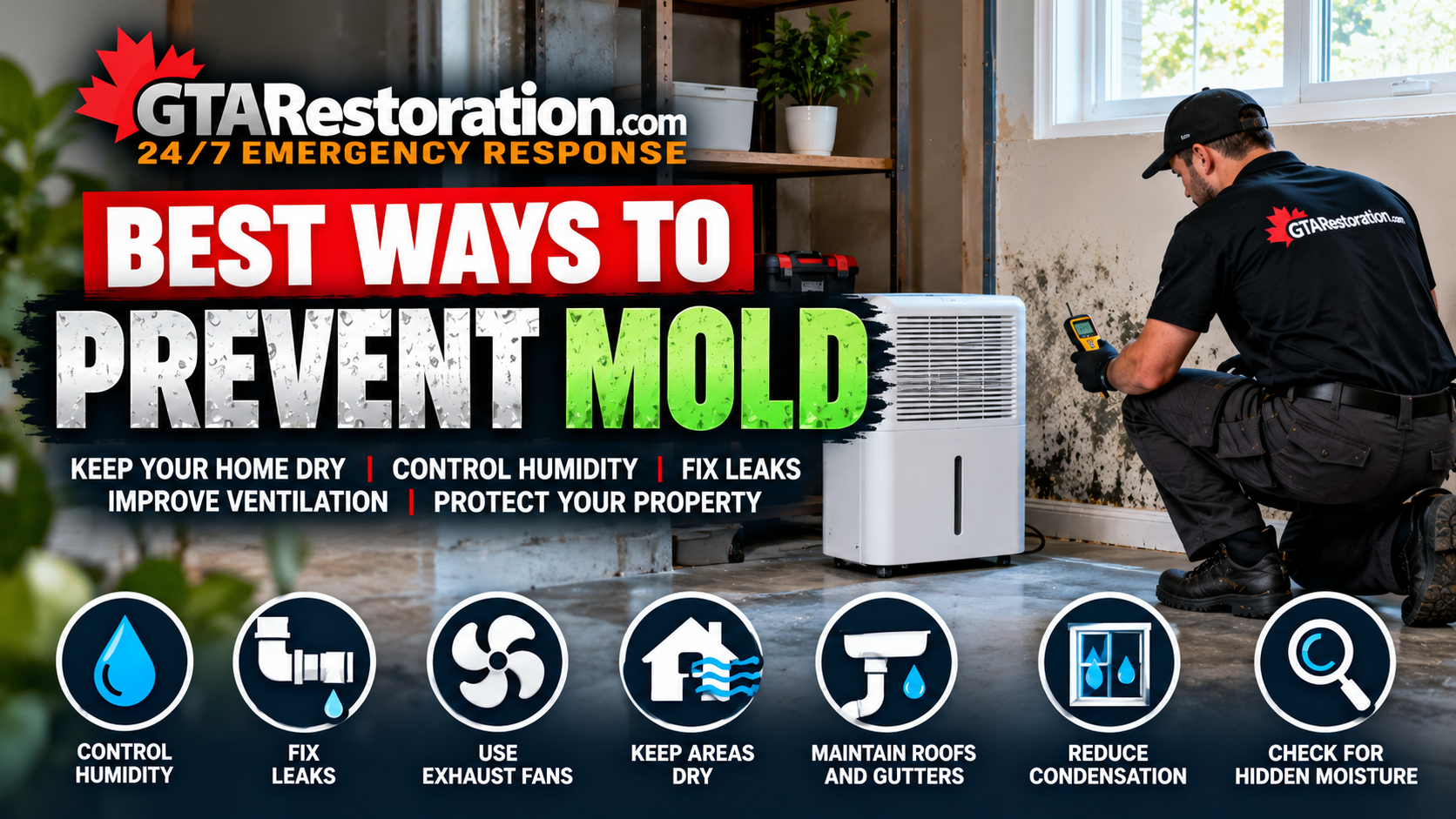
Best Ways to Prevent Mold in Homes and Buildings


Disaster Restoration Emergency Plumbing Service Blog Icon

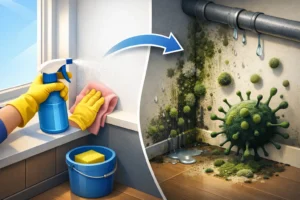
A wet basement carpet, a slow leak behind a dishwasher, or condensation collecting on a window frame can become a mold problem faster than most property owners expect. The best ways to prevent mold all come back to one priority: control moisture before it has time to soak into drywall, insulation, flooring, wood, or stored belongings. In many cases, mold can begin growing within 24 to 48 hours of a water event.

For homeowners, landlords, condo managers, and commercial operators, prevention is not just about keeping a space clean. It is about protecting indoor air quality, avoiding costly repairs, reducing tenant disruption, and stopping a minor plumbing or weather-related issue from becoming a full restoration project.

Mold Prevention Starts With Moisture Control

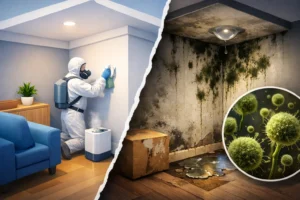
Mold spores exist naturally indoors and outdoors. Removing every spore is not realistic, nor is it necessary. Mold becomes a problem when spores find a damp surface, organic material to feed on, and enough time to grow. Drywall paper, carpet backing, wood framing, ceiling tiles, fabrics, and dust can all support growth after water exposure.

That is why air fresheners, surface cleaners, and paint are not reliable mold prevention strategies on their own. The source of moisture must be identified and corrected. If a stain keeps returning, a room smells musty, or a wall feels damp, treat it as a water-management issue until proven otherwise.

Humidity matters as much as obvious leaks. Aim to keep indoor relative humidity below 50 percent when possible. Basements, bathrooms, laundry rooms, kitchens, mechanical rooms, and poorly ventilated storage areas need extra attention because they routinely collect moisture.

Best Ways to Prevent Mold Before It Spreads

Respond to leaks and flooding immediately

A visible leak is rarely the full story. Water can travel behind baseboards, under flooring, through ceiling cavities, and into wall insulation. A small supply-line leak under a sink may damage cabinets and subfloors long before it becomes obvious from the room above.

Shut off the water source when safe to do so, remove standing water, and begin drying immediately. Fans can help with a minor surface spill, but they are not enough when water has entered porous building materials. Wet drywall, carpet padding, insulation, and engineered flooring may require professional drying equipment and moisture monitoring to confirm that hidden areas are actually dry.

After a flooded basement, sewer backup, burst pipe, or major appliance leak, do not wait for a musty odor to develop. Fast extraction and structural drying are the most effective way to reduce the risk of mold growth and prevent unnecessary demolition later.

Keep bathrooms, kitchens, and laundry rooms ventilated

Steam is a daily source of moisture. Run bathroom exhaust fans during showers and for at least 20 minutes afterward. If a bathroom has no functional exhaust fan, opening a window can help temporarily, but installing proper mechanical ventilation is the stronger long-term solution.

Kitchen range hoods should vent outdoors whenever possible, especially when boiling water or cooking for extended periods. In laundry rooms, make sure dryer vents discharge outside and are inspected for lint buildup, disconnections, or crushed ducting. A dryer venting into an enclosed area adds warm, humid air where it can create condensation and mold conditions.

For multi-unit properties, bathroom and kitchen ventilation problems can affect more than one suite. Property managers should take repeated condensation, peeling paint, and mildew complaints seriously, particularly in interior bathrooms and units with limited airflow.

Control basement humidity year-round

Basements are naturally cooler than upper floors, which makes them more vulnerable to condensation. During humid weather, warm outside air can meet cool basement walls or pipes and create moisture even without a leak.

Use a properly sized dehumidifier, keep doors and windows managed according to outdoor conditions, and empty or drain the unit consistently. If the dehumidifier runs constantly but the area still feels damp, there may be a drainage, foundation, plumbing, or ventilation issue that needs investigation.

Avoid placing furniture, storage boxes, or finished wall materials directly against a damp foundation wall. Leave space for air circulation and choose plastic storage bins over cardboard in areas prone to humidity. Cardboard absorbs moisture quickly and can support mold growth after even minor water exposure.

Maintain roofs, gutters, plumbing, and appliances

Many mold problems begin outside the room where mold is eventually found. A damaged roof shingle, clogged gutter, failing window seal, or overflowing downspout can direct water into walls and ceilings. Inspect roofing, flashing, gutters, and downspout extensions regularly, especially after severe storms.

Inside, inspect supply hoses, shutoff valves, drain connections, and appliance lines. Washing machines, dishwashers, refrigerators with water lines, water heaters, and HVAC equipment all deserve routine checks. Look for corrosion, staining, warped flooring, damp cabinets, and unexplained increases in water bills.

A slow leak may not create an emergency at first, but it should never be ignored. Prompt plumbing repair is generally far less disruptive than opening walls and replacing materials after mold has established itself.

Reduce condensation on windows, pipes, and exterior walls

Condensation is a warning sign that indoor moisture is too high, surface temperatures are too low, or both. Water droplets on windows may seem harmless, but repeated condensation can damage window frames, sill materials, and surrounding drywall.

Wipe condensation away, improve air circulation near windows, and avoid blocking supply vents with furniture or heavy curtains. In winter, adjusting humidity levels may be necessary. Older windows, insufficient insulation, and thermal bridging can all contribute to recurring moisture around exterior walls.

Cold-water pipes can also sweat in humid spaces. Pipe insulation can reduce condensation, while a dehumidifier and improved ventilation address the larger moisture issue. If a pipe area is consistently wet, confirm whether it is condensation or an active plumbing leak before covering it up.

Do Not Cover Up Damp Materials

Painting over a water stain or applying caulk over a visibly damp area may make a room look better briefly, but it does not stop mold growth behind the surface. The same applies to installing new flooring over a wet subfloor or placing furniture over a damp wall.

Materials should be dried thoroughly before repairs are completed. Some non-porous surfaces can be cleaned and dried. Porous materials, including carpet padding, ceiling tiles, insulation, and heavily affected drywall, may need removal when they cannot be fully dried or cleaned safely.

This is especially important after contaminated water events, such as sewage backups. Sewage can introduce harmful bacteria and contaminants in addition to moisture. Keep people and pets away from the area, avoid using household fans that could spread contamination, and arrange qualified cleanup promptly.

Prevention for Condos, Rentals, and Commercial Properties

In shared buildings, mold prevention depends on communication as much as maintenance. A tenant may report a small ceiling stain, while the actual source is a plumbing issue in the suite above. A commercial tenant may notice an odor in a storage room, while a roof leak is entering through an adjacent unit.

Property managers should document moisture complaints, investigate the source quickly, and communicate clearly with affected occupants. Delayed access, unclear responsibility between units, and incomplete drying are common reasons a contained water loss becomes a larger building issue.

For commercial spaces, inspect less-visible areas during routine maintenance: mechanical rooms, under-sink cabinets, storage areas, ceiling plenums, exterior wall corners, and spaces around rooftop equipment. These areas often have limited airflow and may not be visited until damage is advanced.

When to Call for Mold Inspection or Water Damage Help

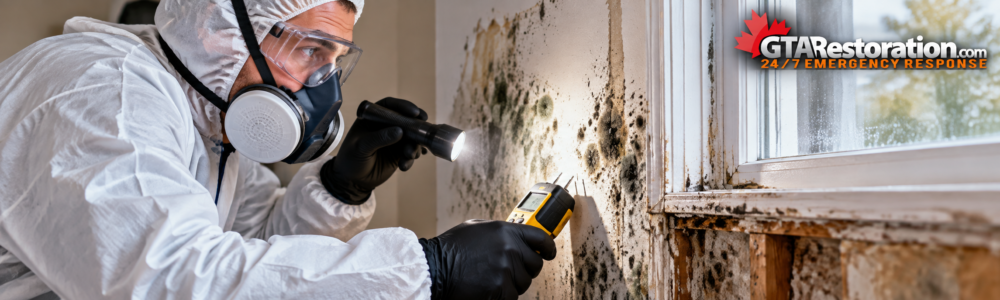
A mold inspection or moisture assessment is appropriate when you notice a persistent musty smell, recurring stains, peeling paint, warped finishes, visible spotting, or repeated condensation. It is also wise after any significant leak or flood, even if surfaces appear dry. Hidden moisture can remain inside walls, under floors, and behind cabinets.

Do not assume visible mold is only a cosmetic issue. The size of the affected area, the type of water involved, the building materials, and the people using the space all affect the right response. Large areas, recurring growth, sewage exposure, and damage in HVAC-connected spaces require careful containment, removal, and verification.

GTA Restoration provides 24/7 water damage response, moisture detection, drying, and mold remediation support for properties across the Greater Toronto Area. When water damage cannot be dried quickly with basic measures, fast professional action can protect the structure, support insurance documentation, and help restore a safe, usable space.

The most effective prevention is simple: treat moisture as urgent, even when the damage looks small. A dry building is far easier to maintain than a mold-damaged one to restore.

Share this... Spread the word!


Tags:

☛ ☛ Related Restoration Articles You May Also Like!

Emergency? Immediate response 24/7

416.800.0000 416.800.0000

For non-emergencies use our contact form
We Specialize in FAST Restoration Services!


Need Fast Restoration Service? Let our experienced team help. Your satisfaction is our priority.


We Service the GTA with a Fast 45-Minute Response Time!


“FREE VISUAL Estimate”


Restoration & Remediation

Do you need water removal services for your home or business? Are your floors, walls, furniture, or other areas affected by flooding or water damage? GTA Restoration provides professional water removal, drying, cleanup, and restoration services. Acting quickly can help reduce permanent property damage and lower the risk of mold growth. The longer water remains untreated, the greater the potential for additional damage.


Commercial & Residential Property Inspection

GTA Restoration uses professional moisture-detection technology, restoration equipment, and years of industry experience to identify water damage and locate hidden moisture. Specialized equipment allows our technicians to inspect many affected areas without unnecessary demolition, helping determine the extent of the damage before restoration work begins.


Helping You Every Step of the Way!


We understand that situations involving biohazard contamination in your home or business can be difficult and require professional attention. GTA Restoration provides dependable and experienced biohazard cleanup and remediation services for residential and commercial properties. For information about disaster restoration and recovery, visit the disaster restoration resource. For immediate assistance, contact GTA Restoration at (800) 506-6048.


Nationwide, Local Pricing

GTA Restoration offers local flood & water damage repair, mold removal/remediation, asbestos removal/abatement, fire/smoke damage repair services and much more.

Search

  • Ajax Asbestos Removal
  • Ajax Mold Removal
  • Ajax Water Damage
  • Anjou Mold Removal
  • Aurora Mold Removal
  • Aurora Water Damage
  • Beaconsfield Asbestos Removal
  • Beaconsfield Mold Removal
  • Boucherville Mold Removal
  • Brampton Asbestos Removal
  • Brampton Asbestos Removal
  • Brampton Mold Removal
  • Brampton Water Damage
  • Brossard Mold Removal
  • Burlington Asbestos Removal
  • Burlington Mold Removal
  • Burlington Water Damage
  • Burnaby Mold Removal
  • Burst Frozen Pipe Edmonton
  • Caledon Mold Removal
  • Caledon Water Damage
  • Calgary Asbestos Removal
  • Calgary Mold Removal
  • Calgary Water Damage
  • Cambridge Mold Removal
  • Cambridge Water Damage
  • Chambly Mold Removal
  • Chateauguay Mold Removal
  • Chomedey Mold Removal
  • Clarington Mold Removal
  • Concord Mold Removal
  • Concord Water Damage
  • Mississauga Mold Removal
  • Coquitlam Mold Removal
  • Cumberland Mold Removal
  • Dollard-des-Ormeaux Mold Removal
  • Dorval Mold Removal
  • Edmonton Asbestos Removal
  • Edmonton Mold Removal
  • Edmonton Water Damage
  • Etobicoke Asbestos Removal
  • Etobicoke Mold Removal
  • Etobicoke Water Damage
  • McMurray Fire Damage Services
  • Saskatchewan Asbestos Removal
  • Saskatchewan Mold Removal
  • Frozen Burst Pipe Repair Montreal
  • Frozen Burst Pipe Repair Ottawa
  • Gloucester Asbestos Removal
  • Gloucester Mold Removal
  • Hamilton Asbestos Removal
  • Hamilton Asbestos Testing
  • Hamilton Mold Removal
  • Hamilton Water Damage
  • Hampstead Mold Removal
  • Hampstead Water & Flood Damage
  • L'île-Bizard Mold Removal
  • Kahnawake Mold Removal
  • Kanata Asbestos Removal
  • Kanata Mold Removal
  • Kanata Water Damage
  • Kirkland Mold Removal
  • Kitchener Asbestos Removal
  • Kitchener Mold Removal
  • Kitchener Water Damage
  • Lasalle Mold Removal
  • Laval Asbestos Removal
  • Laval Mold Removal
  • Laval Water Damage
  • London Mold Removal
  • London Water Damage
  • Longueuil Mold Removal
  • Longueuil Water Damage
  • Markham Asbestos Removal
  • Markham Mold Removal
  • Markham Water Damage
  • Mississauga Asbestos Testing
  • Mississauga Mold Removal
  • Mississauga Water Damage
  • Montreal Air Duct Cleaning
  • Montreal Asbestos Removal
  • Montreal Asbestos Testing
  • Montreal East Mold Removal
  • Montreal Mold Removal
  • Montreal Water Damage
  • Mount-Royal Mold Removal
  • Nepean Asbestos Removal
  • Nepean Mold Removal
  • Nepean Water Damage
  • New Market Water Damage
  • New Westminster Mold Removal
  • Newmarket Mold Removal
  • North York Mold Removal
  • Oakville Mold Removal
  • Oakville Water Damage
  • Orleans Asbestos Removal
  • Orleans Mold Removal
  • Orleans Water Damage
  • Osgoode Mold Removal
  • Oshawa Mold Removal
  • Oshawa Water Damage
  • Ottawa Air Duct Cleaning
  • Ottawa Asbestos Removal
  • Ottawa Mold Removal
  • Ottawa Vermiculite Removal
  • Ottawa Water Damage
  • Pickering Mold Removal
  • Pickering Water Damage
  • Red Deer Mold Removal
  • Red Deer Water Damage
  • Richmond Hill Mold Removal
  • Richmond Hill Water Damage
  • Richmond Mold Removal
  • Rideau Lakes Mold Removal
  • Rockcliffe Park Mold Removal
  • Roxboro Mold Removal
  • Saint Laurent Mold Removal
  • Saint-Hubert Mold Removal
  • Scarborough Asbestos Removal
  • Scarborough Mold removal
  • Scarborough Water Damage
  • Sewer Backup Edmonton
  • Sewer Backup Montreal
  • Sewer Backup Ottawa
  • Sherwood Park Asbestos Removal
  • Sherwood Park Mold Removal
  • Spruce Grove Asbestos Removal
  • Spruce Grove Mold Removal
  • St. Albert Asbestos Removal
  • St. Albert Mold Removal
  • Ste.Dorothee Mold Removal
  • Surrey Mold Removal
  • Thornhill Mold Removal
  • Toronto & GTA Asbestos Removal
  • Toronto & GTA Mold Removal
  • Toronto Air Duct Cleaning
  • Toronto Water Damage
  • Unionville Mold Removal
  • Unionville Water Damage
  • Vancouver Asbestos Removal
  • Vancouver Mold Removal
  • Vancouver Water Damage
  • Vanier Mold Removal
  • Vaughan Mold Removal
  • Vaughan Water Damage
  • Westmount Mold Removal
  • Whitby Water Damage
  • Woodbridge Asbestos Removal
  • Woodbridge Mold Removal
  • Woodbridge Water Damage
  • Waterproofing
  • Kitchen & Bath Pro
  • Condo Restoration

Main Head Office


For Tips on Water Damage and Emergency Plumbing


We Work Direct with All Insurance Companies

Wᴇ ᴀʀᴇ ᴄᴏᴍᴍɪᴛᴛᴇᴅ ᴏɴ ᴡᴏʀᴋɪɴɢ ᴡɪᴛʜ ᴇᴠᴇʀʏ ɪɴsᴜʀᴀɴᴄᴇ ᴄᴏᴍᴘᴀɴʏ ᴀᴄʀᴏss Cᴀɴᴀᴅᴀ & USA.


In House Financing Available

In House Financing Available

FREE Financing Up To 24 Months NO INTEREST NO MONEY DOWN


Contact Us

Learn more ↴ GTA Restoration Tips

RELATED ARTICLES

  • How To Avoid Sprinkler Water Damage?
  • How To Deal With Floods & Water Damage?
  • Signs of Mould Growth In Your Property?
  • Avoid Mould Damage from Melting Snow
  • How to Prevent Water Damage In Summer
  • Avoid Mold Growth With Proper Air Flow
  • Prevent House Floods from Spring Rains
  • Prevent Frozen Burst Pipes in Winter
  • What To Do on Your Flooded Basement?


follow us on  LinkedIn Instagram Twitter Facebook YouTube


Our Clients

Our Vendor Clients


Affiliates

fully certified


GTA Restoration Toronto

Copyright © 2009 - 2026 All Rights Reserved. Sitemap/Links

LinkedInInstagram Twitter Facebook YouTube

Call Us 416-800-0000

Emergency? Immediate response 24/7

416.800.0000

416.800.0000

We cover all GTA 24/7.

Head Office:
250 Consumers Rd,
#10
Toronto, ON
M2J 4V6,
Open 24 hours

Downtown Office:
1 Toronto St,
#10
Toronto, ON
M5W 1A1,
Open 24 hours

For non-emergencies use our contact form


    Not sure what you need?

    Call us today to find the best product for your situation.

    416-800-0000 416-800-0000

    Head Office:
    101 Lebovic Ave,
    Unit #10
    Scarborough,
    ON, M1L 4T7
    Hours
    24-Hours Open

    Downtown Office:
    250 Yonge Street,
    Unit #1A
    Toronto,
    ON, M5B 2L7
    Hours
    24-Hours Open

    Best Ways to Prevent Mold in Homes and Buildings

    Get a quote today


      GTA Restoration Assistant 24/7 Emergency Restoration Help
      Hi! I'm GTA Restoration's virtual assistant. How can I help with your property damage today?
      Emergency? Call 416-800-0000