
...

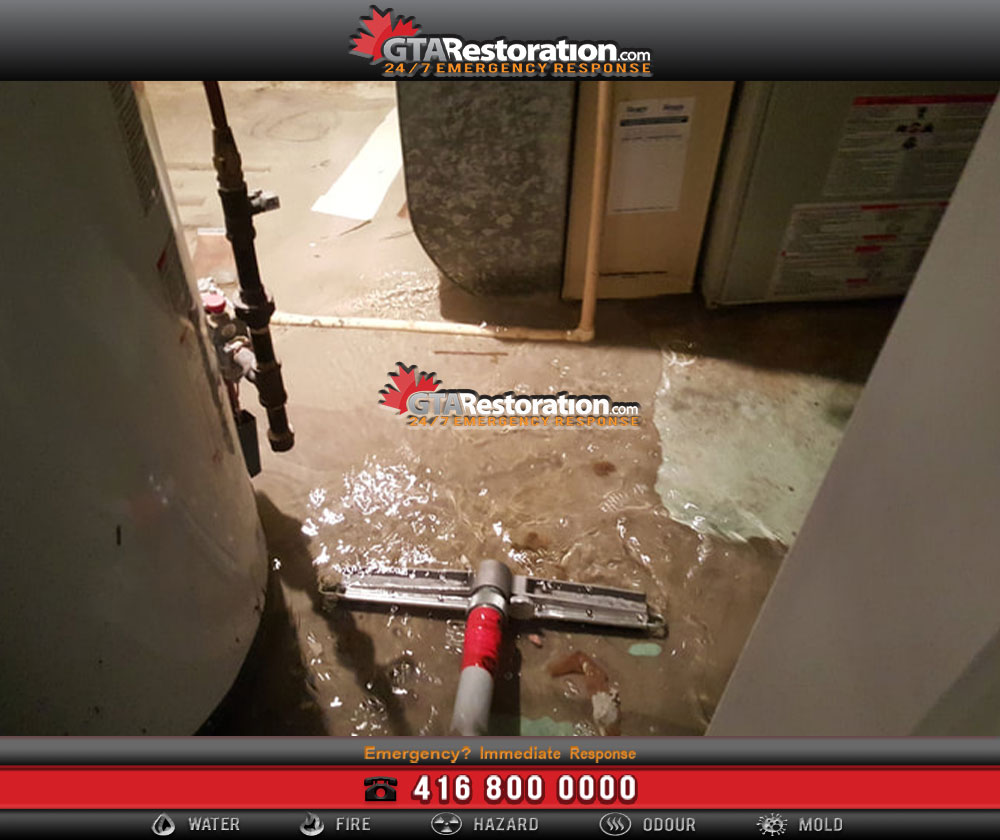
Water extraction tool used by flood cleanup experts on a wet floor beside basement equipment.


Why Hire Flood Cleanup Experts?

Flood cleanup experts look beyond the water you can see. They check the source, test wet materials and plan how to clean and dry the space. As a result, you get a clearer picture of the damage and the next steps.

Calling flood cleanup experts makes sense when water reaches several rooms, hidden spaces or areas touched by sewage. However, the value comes from training, sound methods and clear records. Here are seven reasons to seek skilled help, plus what to check before you hire a team.

Call Us: 416-800-0000

1. Flood Cleanup Experts Check Risks First

A wet room may have live wires, weak floors or a sagging ceiling. Therefore, safe access comes before cleanup. Keep people and pets out, and call 911 if there is an immediate threat to life.

Never walk through water to reach your breaker panel. Instead, call the power company if water has reached outlets or electrical equipment. The Electrical Safety Authority’s flood guidance explains when to stay out and seek help. A cleanup crew may need a licensed electrical contractor or other specialist before work can start.

2. The Cleanup Plan Matches the Water

A fresh pipe leak and sewage from a drain need different care. Outdoor floodwater may also bring waste or chemicals indoors. Therefore, appearance alone cannot show whether water is clean.

Flood cleanup experts consider where the water came from, what it touched and how long walls, floors and items stayed wet. For sewage losses, our sewage cleanup service can check what needs cleaning or removal. Also, stop using sinks, toilets and other fixtures that feed a backed-up drain.

3. Flood Restoration Specialists Check Hidden Moisture

A floor can feel dry while the layers below remain damp. Likewise, water can move behind baseboards or into wall spaces. Moisture meters help test wet wood and drywall and track changes during drying.

Thermal cameras can show warm and cool spots that deserve a closer look. However, they do not see water through walls or prove that a leak exists. The team must check those patterns with suitable tools. Our leak detection service can help when the source is unclear.

4. Drying Equipment Needs a Plan

Removing standing water is only one stage. Flood cleanup experts also choose airflow, moisture removal and drying checks to suit the materials. Air movers help wet surfaces dry, while dehumidifiers remove moisture from the air.

However, more machines do not always mean better results. The crew needs to check power needs, room heat and where to place the machines. Then, readings help show whether the plan is working. Our guide to the drying process explains how these steps work together.

5. Professional Flood Cleanup Tackles Mould Risks

Mould can grow when materials stay wet. Therefore, prompt drying and moisture repairs matter. The EPA’s flooded-home guidance urges cleaning and drying within 24–48 hours where possible. Try to act within that time. However, some buildings take longer to dry.

If mould is already visible, do not blow fans across it. Instead, arrange suitable cleanup before using fans. Our mould removal service can assess the affected area. A spray alone cannot dry a wet wall or ensure that mould never returns.

6. Salvage Decisions Protect Useful Items

Some items can be cleaned and dried. Others may hold waste, lose strength or remain wet inside. Flood cleanup experts assess what can be saved and what needs removal based on the water source and the item itself.

For example, sewage-soaked drywall may need removal, while some hard surfaces can be cleaned. Ask the team to explain and record these decisions. Also, do not cover damp walls with new paint or drywall before cleanup and drying are complete.

7. Trained Cleanup Crews Keep Clear Records

Photos, moisture readings and work notes help explain what happened at the property. They also make it easier to discuss the damage, progress and repair needs with your insurer or building manager.

However, a contractor cannot promise that your insurer will pay. Confirm coverage with your insurer, keep receipts and ask which records it needs. A written scope should also make clear whether the job covers cleanup only or includes later repairs.

Choosing Flood Cleanup Experts

Look for a team that has handled similar jobs and offers a plan that fits your loss. For example, the IICRC S500 standard covers water damage work, including site checks, drying and job records. Ask how the team applies recognised methods to your property.

Questions to Ask Before Work Starts

  • Training: What training and current credentials apply to this job?
  • Scope: Which rooms, materials and tasks are included?
  • Costs: How are equipment, labour and extra work charged?
  • Checks: How will the crew measure progress and decide when drying is complete?
  • Repairs: Who will fix the source and arrange any required trades?

Also, check insurance, references and the written terms. Ontario’s guide to hiring for home repairs explains what to review. Finally, agree on how you will approve changes to the work.

When to Call for Help in Toronto

Seek help for sewage, large floods, hidden dampness or water near electrical systems. Likewise, get advice when a room stays wet or smells musty after a leak. A small clean-water spill that you can safely dry in full may need a simpler response.

GTA Restoration’s basement cleanup team can discuss the damage and next steps. First, share your address, the likely source and when it started. Then, ask when a crew can come and what the first visit includes.


Need Help After a Flood?

Call GTA Restoration to discuss water removal, drying and the next steps for your property.

Call Us: 416-800-0000

Learn More

Basement Cleanup | Water Damage Help | Mould Removal | Urgent Plumbing Help
Share this... Spread the word!


Flood Cleanup Experts: What to Check

Choose a team with relevant skills and a clear plan. First, explain the damage. Then, agree on the work before it begins.

1. Put Safety First

Keep clear of floodwater and wet electrical equipment. Also, ask whether other trades must check the site before cleanup starts.

2. Explain the Water Source

Share what you know about the leak or flood. Include when it began and whether sewage may be involved.

3. Check Training

Ask about current credentials and similar jobs. Also, confirm who will lead the work and explain the findings.

4. Review the Scope

Get a written list of rooms and tasks. Then, clarify whether source repairs, waste removal and rebuilding are included.

5. Confirm the Costs

Review labour and equipment charges. Also, agree on how extra work will be approved before the crew adds it.

6. Ask About Drying

Discuss moisture checks and progress notes. The crew should explain how it will decide when materials are ready for repairs.

7. Keep Your Records

Save photos, receipts and work notes. Then, ask your insurer what the policy covers and which records it needs.

8. Fix the Cause

Finally, arrange repairs to the leak or drainage problem. Cleanup alone cannot stop new water from entering the property.


Need help after flooding?
Call GTA Restoration to discuss the damage and next steps.

Call Us: 416-800-0000


GTA Service Centre


Flood Cleanup Experts: Common Questions

When should I call a cleanup team?

Call for sewage, hidden dampness or large wet areas. Also, seek help for water near electrical equipment.

Can I use a household fan?

It depends on the damage and safety checks. If mould is visible, do not blow air across it.

Does cleanup always prevent mould?

No method can promise that. However, prompt drying and source repairs help reduce the risk.

Does every wet item need removal?

No. The water source and material matter. First, ask what can be cleaned and dried.

How long will drying take?

Each job differs. The crew should use moisture readings to track progress and guide the next step.


Learn more ↴


Direct Billing & Insurance Claims

Ask your insurer about coverage, deductibles and the records it needs.


Payment options

In-House Financing Available

Financing up to 24 months. No interest. No money down. Ask us about the terms.


Certifications & Insurance

View our firm certification, technician qualifications and insurance documents.

IICRC Certified Firm

GTA Restoration Inc.

Firm number 199912
Valid through

View IICRC certificate (PDF) — opens in a new tab

Business Insurance

GTA Restoration Group Inc.

$5 million general liability per occurrence
$8 million contractors pollution per claim
–

View insurance certificate (PDF) — opens in a new tab

IICRC Technician Qualifications

Tony Sokol T. Lleshi · Registration 214520
Valid through

Water Damage Restoration · Fire & Smoke Damage Restoration · Applied Microbial Remediation · Odor Control · Trauma & Crime Scene

View technician verification (PDF) — opens in a new tab

Insurance is subject to policy terms, conditions and exclusions.


Emergency? Click to Call!