...
How To Repair Sewage Damage After A Backup

A sewage backup can turn a usable basement, bathroom, hallway, or commercial space into a health concern within minutes. To repair sewage damage, first stop people from entering the affected area, control the source if it is safe, and arrange qualified cleanup before planning repairs. Sewage can carry bacteria, viruses, and waste contaminants that remain in porous materials long after visible water recedes.

The right response is not simply to remove water and replace flooring. A proper recovery process considers contamination, hidden moisture, damaged building materials, electrical hazards, odors, and the records you may need for your insurer or property manager. Fast action helps limit spread, but safety comes first.

Make the Area Safe Before Cleanup Starts

Keep children, pets, tenants, staff, and visitors away from the affected space. If sewage has reached electrical outlets, appliances, a furnace area, or electrical panels, do not enter standing water or handle electrical equipment. Shut off power only if you can do so from a dry, safe location. Otherwise, wait for a qualified professional.

If the backup is still active, stop using toilets, sinks, showers, dishwashers, and laundry equipment. Continued water use can add volume to an overloaded drain line. In a condo or commercial building, report the issue promptly to building management because the source may involve a shared plumbing system.

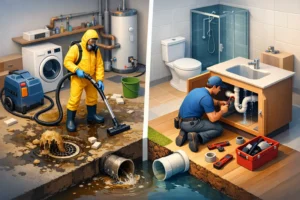
Wear protective gloves, waterproof boots, eye protection, and a suitable mask if you must enter briefly. Do not use a household vacuum, regular mop, or fan on raw sewage. These can spread contamination to other rooms or into the air.

What a Sewage Damage Assessment Should Cover

Before cleanup and repairs, the affected area needs a careful assessment. The purpose is to identify where contaminated water traveled, which materials can be cleaned, and what needs removal. Sewage is commonly treated as highly contaminated water because it may contain human waste and harmful microorganisms.

A restoration assessment may include visible damage, moisture readings, affected contents, wall cavities, flooring layers, insulation, baseboards, cabinets, and nearby rooms. Technicians may use moisture meters and thermal imaging to look for moisture behind surfaces without opening every wall immediately. These readings guide the work scope, but they do not replace physical inspection where sewage likely entered concealed materials.

Document conditions before major work begins when it is safe to do so. Take wide photos of each room and close photos of damaged belongings, walls, floors, drains, and the apparent source. Note the date, time discovered, weather conditions if relevant, and any steps taken to reduce further damage. Your insurer decides coverage, but photos, readings, estimates, and work records can help support a claim.

Remove Contaminated Materials Carefully

Non-porous items such as glass, metal, and some hard plastic surfaces may be cleaned and disinfected if they remain structurally sound. Porous materials are different. Sewage can soak into carpet, carpet pad, insulation, upholstered furniture, paper goods, particleboard furniture, and unfinished drywall.

In many cases, saturated porous materials require removal rather than surface cleaning. The decision depends on how long contamination was present, how deeply it traveled, the material itself, and whether it can be properly cleaned. Do not assume that a dry surface is sanitary or that an odor-free room is fully remediated.

Removal should limit cross-contamination. Workers can isolate the affected area, bag debris before carrying it through the property, and clean travel paths as needed. This matters in occupied homes, condos, offices, retail spaces, and shared building corridors.

Clean, Disinfect, and Dry the Structure

Cleaning sewage damage usually follows a sequence: remove contaminated debris, clean exposed structural surfaces, apply an appropriate disinfectant, and dry the remaining structure. Cleaning removes soil and residue first. Disinfection works best after surfaces are visibly clean.

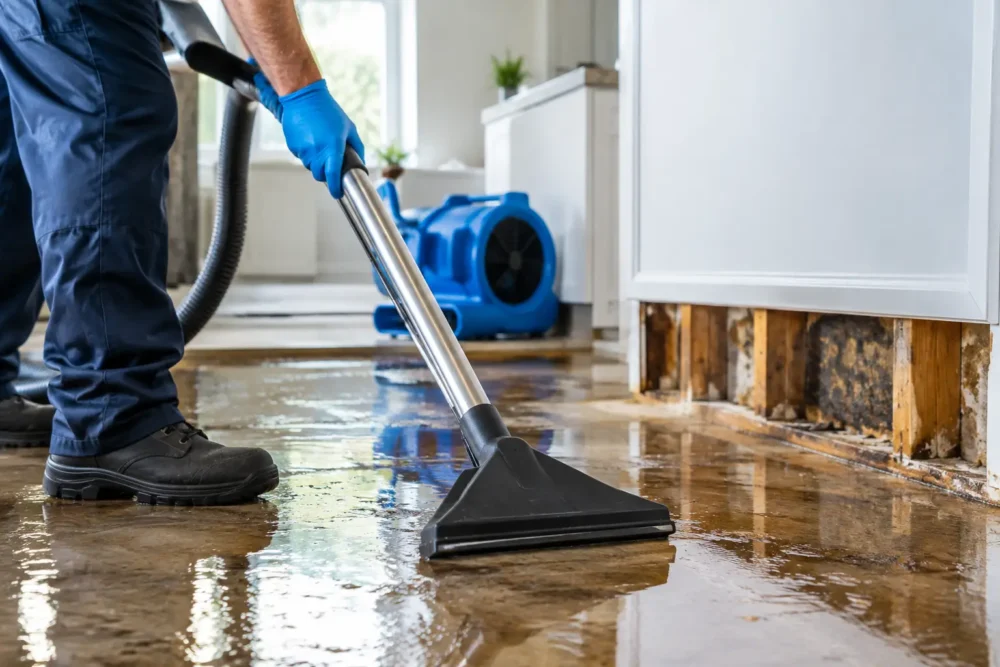
Drying is equally important because wet framing, subfloors, and wall cavities can support mold growth or cause material deterioration. Commercial air movers and dehumidifiers may be used after contaminated materials are removed and the area is cleaned. Equipment placement depends on room layout, materials, temperature, and measured moisture conditions.

Do not close walls, install new flooring, or paint over affected materials until the structure has been assessed and dried appropriately. Premature repairs can trap moisture and odors where they are harder to address later.

Repair Sewage Damage in the Right Order

Once cleanup and drying are complete, repairs can begin. The repair scope may include replacing drywall, insulation, baseboards, flooring, cabinets, doors, trim, or sections of subfloor. It may also include plumbing repair if a failed drain, broken pipe, or blocked sewer line caused the event.

Sequence matters. Rebuild should follow confirmed cleaning and drying, then repairs to affected systems and finishes. For example, it makes little sense to install new laminate flooring before checking whether the subfloor is dry and stable. Similarly, wall repairs should wait until hidden moisture concerns are addressed.

If sewage entered a finished basement, consider materials that are easier to maintain after future water events. This does not prevent another backup, but it can influence the cost and complexity of future repairs. A plumber can also assess whether the drainage problem needs repair, clearing, or further investigation.

Protect Your Health and Your Property Records

Avoid eating, drinking, or storing clean belongings in the affected area until it has been cleaned. Wash hands thoroughly after contact with damaged materials. Launder washable clothing separately using the hottest safe setting, and discard items that cannot be cleaned effectively.

Keep one organized record of the event. Include photos, videos, inventory notes, moisture readings if provided, receipts, estimates, removal records, repair invoices, and communication with your insurer or building manager. Tenants should notify their landlord or property manager promptly, while also documenting personal belongings that may be affected.

For Toronto and GTA properties, GTA Restoration can help assess affected materials, contain contamination, remove damaged contents, dry the structure, and prepare records of the restoration work. If there is an active backup, blocked drain, or unsafe water near electrical systems, treat the situation as urgent and seek appropriate help.

Share this... Spread the word!


Restoration Support

Sewage damage needs a coordinated response that protects occupants, limits contamination spread, and creates clear records before repairs move forward.

Emergency Site Containment

Affected rooms can be isolated to reduce foot traffic, prevent cross-contamination, and keep sewage residue from reaching cleaner areas of the property.

Sewage Water Removal

Extraction removes standing contaminated water from floors and low areas. Crews assess access, drainage conditions, and the safety of surrounding systems.

Damaged Material Removal

Saturated carpet, insulation, drywall, and other porous materials may require controlled removal when they cannot be reliably cleaned after sewage exposure.

Surface Cleaning and Disinfection

Exposed structural surfaces need cleaning before disinfection. This process addresses visible residue and helps prepare the area for measured drying and repairs.

Structural Drying Support

Drying equipment and moisture checks help identify remaining wet materials. Repair decisions should follow conditions found during the drying process.

Odor Source Assessment

Persistent odors can point to trapped residue, damp materials, or plumbing concerns. Odor work begins by finding and addressing the source.

Repair Planning and Rebuild

After cleanup and drying, repair planning can cover walls, flooring, trim, cabinets, and other affected finishes based on the documented scope.

Damage Records for Claims

Photos, moisture readings, item lists, estimates, and work records can support communication with insurers, who make all coverage decisions.

For urgent sewage cleanup and property recovery support in Toronto and the GTA, call us at 416-800-0000.

Call Us: 416-800-0000


GTA Service Centre


Frequently Asked Questions

Can I clean up a small sewage backup myself?

Avoid cleaning raw sewage with ordinary household tools. Small visible spills can still contaminate porous materials and hidden edges around flooring or walls.

What should I throw away after sewage enters my basement?

Carpet, padding, insulation, paper goods, and heavily soaked upholstered items often need disposal. A damage assessment helps identify materials that cannot be safely cleaned.

Does homeowners insurance cover sewage damage repairs?

Coverage depends on your policy, endorsements, cause of loss, and insurer review. Keep photos, receipts, and restoration records to support your claim.

How do professionals know when repairs can begin?

They assess contamination removal, material condition, and moisture readings before rebuilding. Dry surfaces alone do not confirm that concealed materials are ready.

Why does sewage odor remain after water removal?

Odor may come from residue, damp materials, or an unresolved plumbing source. Finding the source early helps guide safer cleanup and lasting repairs.


Learn more ↴


Direct Billing & Insurance Claims

Ask your insurer about coverage, deductibles and the records it needs.


Payment options

In-House Financing Available

Financing up to 24 months. No interest. No money down. Ask us about the terms.


Certifications & Insurance

View our firm certification, technician qualifications and insurance documents.

IICRC Certified Firm

GTA Restoration Inc.

Firm number 199912
Valid through
View IICRC certificate (PDF) — opens in a new tab

Business Insurance

GTA Restoration Group Inc.

$5 million general liability per occurrence
$8 million contractors pollution per claim
–

View insurance certificate (PDF) — opens in a new tab

IICRC Technician Qualifications

Richard Mark Provence · Registration 55726
Certificate expires

Water Damage Restoration · Fire & Smoke Restoration · Applied Microbial Remediation · Odor Control · Trauma & Crime Scene

View technician verification (PDF) — opens in a new tab

Insurance is subject to policy terms, conditions and exclusions.


Emergency? Click to Call!