...
Five Sewer Contamination Precautions After A Backup

A sewer backup is not ordinary water damage. Wastewater can carry bacteria, viruses, and other contaminants into finished rooms, storage areas, and building materials. These five sewer contamination precautions help you protect occupants first, limit spread, and prepare the property for a safe assessment and cleanup.

Five Sewer Contamination Precautions That Come First

1. Keep people and pets away from the affected area

Close the door, block access if you can do so without walking through sewage, and keep children and pets out. Do not let anyone sort belongings, mop floors, or inspect the damage without proper protection. Contamination can move on footwear, clothing, hands, and pet paws.

If sewage has entered a shared hallway, laundry room, commercial washroom, or condo common area, tell the property manager or building contact right away. They may need to restrict access, notify other occupants, and arrange the next steps.

Anyone who has had direct contact with sewage should wash exposed skin thoroughly with soap and clean running water. Remove contaminated clothing carefully and wash it separately. Seek medical guidance if someone feels unwell after exposure, especially if they have an open cut, a weakened immune system, or persistent symptoms.

2. Stop the source only when it is safe

A backup may continue while fixtures are used elsewhere in the building. Stop using toilets, sinks, showers, dishwashers, and washing machines until the cause is understood. In a multi-unit building, a blockage farther down the line can affect more than one suite.

If a toilet is overflowing, shut off its local water valve only if you can reach it from a dry, clean area. Do not enter a flooded basement or utility room to reach valves, electrical panels, or equipment. Water near outlets, appliances, or wiring creates an electrical hazard.

For a rental property or condo, report the problem through the required building or landlord channel as soon as possible. A clear report should state where sewage appeared, when it started, whether it is still rising, and which fixtures were in use.

3. Do not use household cleaning methods on major sewage loss

A small splash on a hard, nonporous surface may be cleaned with suitable protective gear and a disinfectant used according to its label. A larger sewer backup is different. Carpeting, underpad, upholstered furniture, drywall, insulation, cardboard, and many stored items can absorb contaminated water and may not be safely salvageable.

Avoid using a regular household vacuum, fan, or shop vacuum on sewage. These tools can spread contaminants through the air or to other areas. Do not dry the affected space by opening interior doors and running fans toward clean rooms.

Professional restoration teams assess what was affected, isolate the work area, remove unsalvageable materials where needed, clean hard surfaces, and use controlled drying equipment. The right scope depends on the amount of sewage, the materials involved, how long they were wet, and whether contamination entered wall cavities or HVAC components.

4. Protect yourself before entering for essential reasons

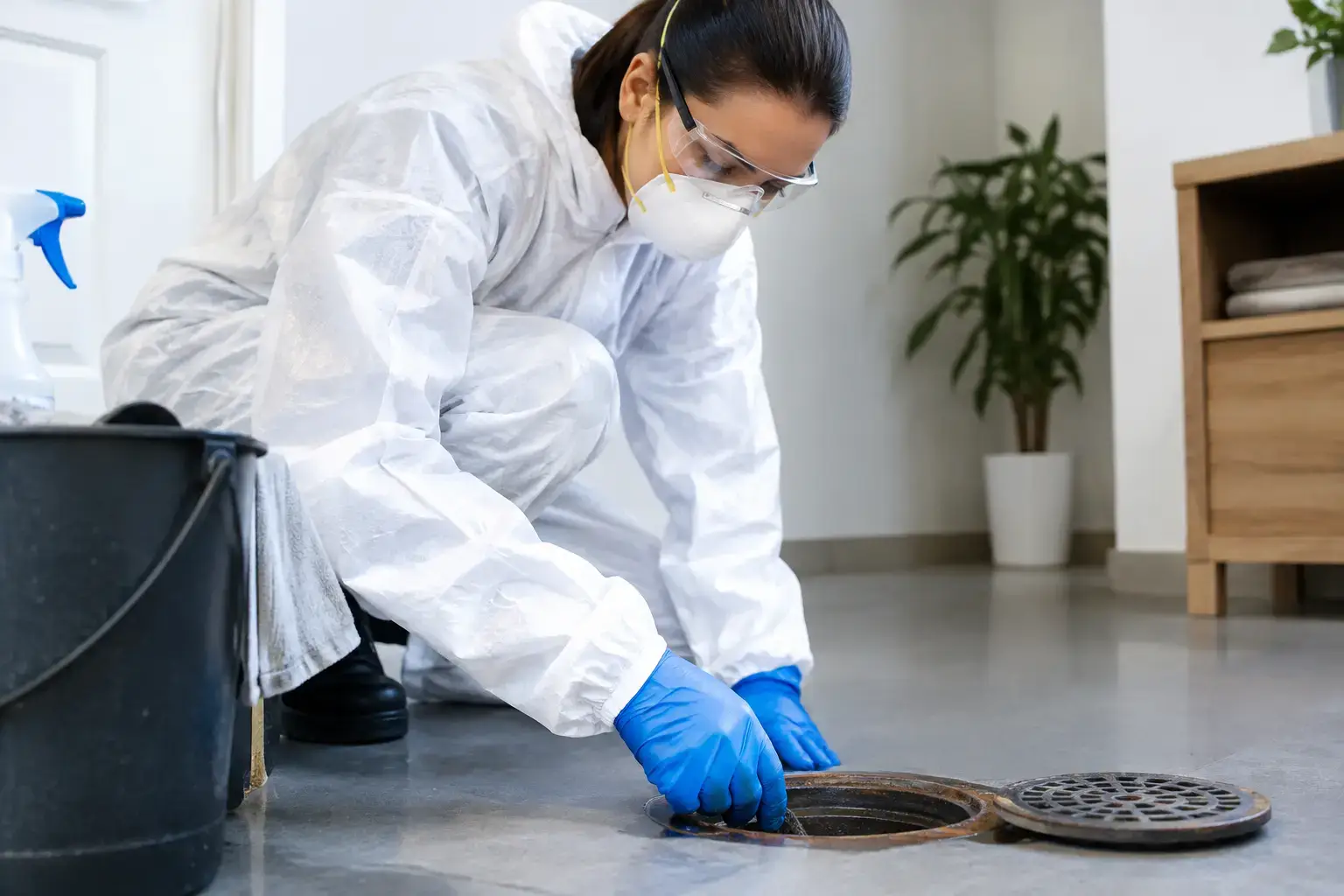
Sometimes you must briefly enter an affected area to retrieve medication, secure a pet, or check that everyone has left safely. Keep that entry short. Wear waterproof boots, disposable gloves, and clothing that covers your arms and legs. Avoid touching your face, phone, keys, or clean door handles with contaminated gloves.

Do not enter if the water is deep, if electrical hazards are possible, or if you cannot see the floor clearly. Slips, sharp debris, and hidden drain openings can make a basement unsafe. People with respiratory conditions, open wounds, weakened immune systems, or pregnancy-related health concerns should avoid exposure and ask a qualified professional to handle the work.

After leaving, remove protective items without touching their contaminated outer surfaces. Clean and disinfect reusable boots and tools before bringing them into a clean area. Keep a clear path between the affected room and the exterior so contamination is not tracked across the property.

5. Document damage before removal begins

Take wide photos and short videos from a clean, safe position. Capture the water line, affected rooms, damaged finishes, furniture, stored items, and any visible backup point. Write down the date, time discovered, weather conditions if relevant, and steps already taken.

Save invoices for emergency plumbing, cleanup, temporary accommodation, and damaged contents where applicable. Keep a simple list of each item, its approximate age, and its condition. Do not delay necessary health and safety work just to collect records, but document what you reasonably can before disposal starts.

Your insurer decides what a policy covers. Restoration documentation can still help support the claim process. Photos, moisture readings, an assessment, itemized estimates, and work records may help show the condition of the property and the work performed.

What a Sewer Contamination Assessment Should Cover

A proper assessment starts by identifying the affected spaces and materials, not simply the visible puddle. Sewage may travel below flooring, behind baseboards, under cabinets, and into insulation. The assessment should also consider whether water reached electrical equipment, heating components, stored goods, or shared building systems.

The team should determine whether the cause appears to be an internal plumbing issue, a drain blockage, or a sewer backup that needs plumbing investigation. Cleanup and repairs should not hide the source problem. Otherwise, a newly restored room may face another loss.

Drying matters after cleaning because wet structural materials can support mold growth. Equipment placement, moisture checks, and material removal should follow the actual conditions in the space. Some finishes can remain in place after cleaning and drying, while others need removal to reach contaminated or wet materials behind them.

For commercial and facilities teams, access planning is part of the response. Restrict the work zone, protect clean traffic routes, and coordinate entries with staff, tenants, or security. A brief written record of access restrictions and affected areas can also help operations resume in an orderly way.

When to Call for Restoration and Plumbing Help

Call for qualified help when sewage has entered living space, finished basements, carpeted areas, wall cavities, or shared building areas. You should also seek help if water continues to rise, the odor is strong, the source is unclear, or electrical equipment may be involved.

GTA Restoration can assess sewage-affected areas, support controlled cleanup and drying, and document visible damage and work completed. Plumbing repairs may also be needed to address the blockage or failed component that caused the backup. These are related tasks, but they solve different parts of the problem.

Do not rush to replace flooring or repaint walls before the affected materials have been evaluated. Safe cleanup protects more than the room you can see. It helps protect the people who need to return to it.

Share this... Spread the word!


Restoration Support

Sewage losses need careful access control, documented cleanup, and a plan for drying and repairs. Support can be tailored to homes, condos, rentals, and commercial spaces.

Emergency Sewer Backup Assessment

We assess affected rooms, materials, and visible migration paths to help define safe cleanup, drying, and repair priorities after a sewer backup.

Contaminated Water Cleanup

Cleanup can include contained removal of sewage-affected materials, cleaning of suitable hard surfaces, and steps to reduce cross-contamination into clean areas.

Basement Flood Cleanup

A flooded basement may need extraction, material assessment, controlled drying, and checks for moisture beneath flooring or behind finished walls.

Condo Sewer Backup Support

For condo properties, coordinated access and clear documentation can help management, owners, and occupants understand affected areas and restoration work.

Commercial Property Response

Facilities teams can receive support with work-zone separation, affected-area assessment, cleanup planning, and records that help coordinate building operations.

Drying and Moisture Checks

Drying equipment and moisture readings help guide decisions about materials that may remain, require further cleaning, or need removal for access.

Plumbing and Source Investigation

Restoration work addresses contamination and moisture. Plumbing investigation helps identify blockages, damaged pipes, or fixture issues that may have caused the backup.

Damage Records for Insurance

Photos, assessment notes, estimates, and work records can support a claim. Coverage decisions and policy limits remain with your insurer.

For prompt sewer backup support in Toronto and the GTA, call GTA Restoration.

Call Us: 416-800-0000


GTA Service Centre


Frequently Asked Questions

Is sewage backup water safe to clean myself?

Small, isolated surface contamination may be manageable with proper protection. Sewage affecting porous materials, finished rooms, or electrical areas needs qualified assessment and cleanup.

What should I photograph after a sewer backup?

Photograph affected rooms, water lines, damaged contents, flooring, walls, and the apparent source. Record the discovery time and any emergency actions taken.

Can I keep carpet after sewage contamination?

Carpet and padding often absorb contaminated water and may require removal. The decision depends on contamination extent, material type, and professional assessment findings.

Who decides whether sewer backup damage is covered?

Your insurer decides coverage under your policy. Cleanup photos, estimates, readings, and work records may help document the loss for review.

When can occupants return to an affected room?

Return only after contamination has been addressed, affected materials have been evaluated, and the space is safe for normal use. Conditions vary by loss.


Learn more ↴


Direct Billing & Insurance Claims

Ask your insurer about coverage, deductibles and the records it needs.


Payment options

In-House Financing Available

Financing up to 24 months. No interest. No money down. Ask us about the terms.


Certifications & Insurance

View our firm certification, technician qualifications and insurance documents.

IICRC Certified Firm

GTA Restoration Inc.

Firm number 199912
Valid through
View IICRC certificate (PDF) — opens in a new tab

Business Insurance

GTA Restoration Group Inc.

$5 million general liability per occurrence
$8 million contractors pollution per claim
–

View insurance certificate (PDF) — opens in a new tab

IICRC Technician Qualifications

Richard Mark Provence · Registration 55726
Certificate expires

Water Damage Restoration · Fire & Smoke Restoration · Applied Microbial Remediation · Odor Control · Trauma & Crime Scene

View technician verification (PDF) — opens in a new tab

Insurance is subject to policy terms, conditions and exclusions.


Emergency? Click to Call!