...
Water Damage Triage For Homes And Businesses

A burst supply line can soak a finished basement in minutes. A slow roof leak may quietly wet insulation for weeks. Water damage triage helps you make the right decisions in the first hours: protect people, stop active water if it is safe, limit spread, and preserve the information needed for cleanup and repairs.

Triage is not a full restoration plan. It is a practical way to sort urgent risks from tasks that can wait. Whether the loss affects a house, condo, rental unit, retail space, or office, the order of actions matters.

Start with safety, not cleanup

Do not enter an area with standing water if electricity may be present. Stay clear of outlets, electrical panels, extension cords, and appliances. If water has reached electrical equipment, leave the area and arrange for qualified help before anyone begins extraction or moving contents.

Also consider the water source. Clean water from a broken supply pipe presents different hazards than a sewer backup, toilet overflow, or outside floodwater. Wastewater and floodwater can contain contaminants. Keep people and pets out, avoid touching affected belongings without protection, and do not use fans that could spread contaminated material through occupied areas.

If the leak is accessible and safe to reach, shut off the local fixture valve or the building’s main water supply. Do not cut into walls, remove ceilings, or open plumbing lines unless you understand the risk. Water can travel far from the visible leak, and wet ceiling materials can fall without warning.

Sort the damage by urgency

Once people are safe, look for conditions that will worsen quickly. Active water flow, sagging ceilings, wet electrical areas, and water entering multiple rooms deserve immediate attention. In a condo, notify building management promptly. Water may be moving between suites, common areas, and building systems, even when the damage appears limited inside one unit.

For commercial and managed properties, protect access routes and isolate affected rooms where possible. A wet floor near customer traffic or essential equipment can become both a safety issue and an operational problem. Document who was notified, when access was provided, and any measures taken to keep people away from the affected area.

Some items require fast decisions. Move dry, portable belongings away from the water path if it is safe to do so. Place aluminum foil, plastic blocks, or other barriers under furniture legs to reduce staining from wet carpet. Do not drag saturated furniture across flooring, and do not stack wet boxes or documents where airflow cannot reach them.

Record conditions before extensive cleanup

Good records give you a clearer picture of what happened. Take wide photos of every affected room, then closer images of the source, water lines, damaged finishes, contents, and any visible staining. Short videos can show active dripping, pooling, or the path water followed.

Write down the date and approximate time you found the damage, the suspected source, and steps already taken. Keep receipts for emergency materials, plumbing work, temporary protection, and other related expenses. If you are a tenant, share timely notice with your landlord or property manager and retain your own records.

Insurers decide what a policy covers. Restoration documentation can support a claim by providing photos, moisture readings, estimates, invoices, and work records, but it does not determine coverage. Contact your insurer or broker early for claim instructions, especially before disposing of damaged items unless they create an immediate health or safety concern.

What a water damage assessment should answer

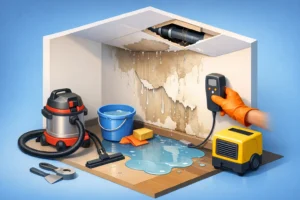
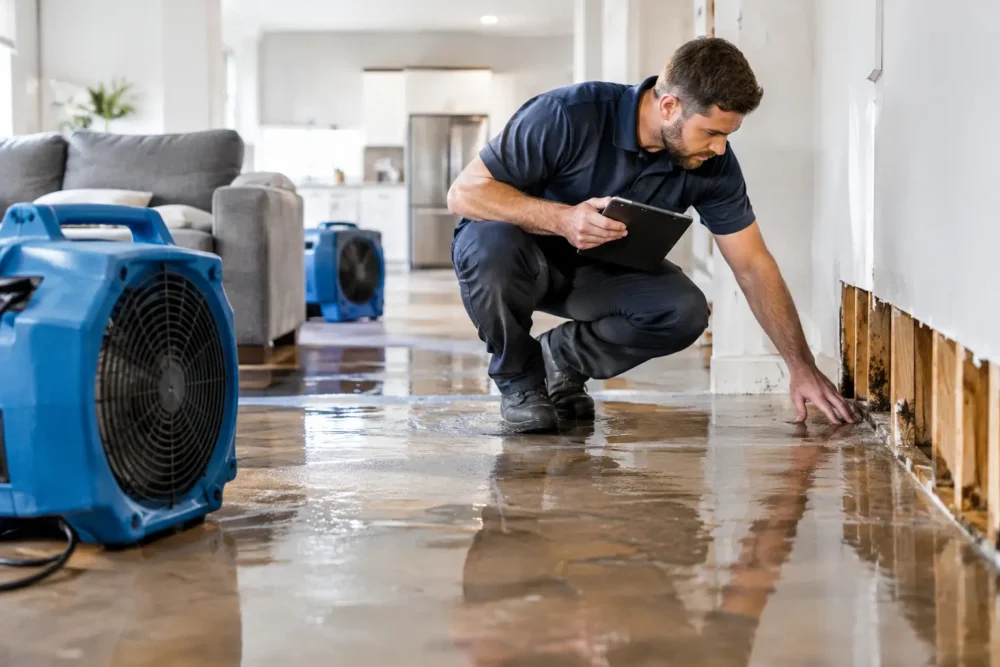
A proper assessment looks beyond the visible puddle. Water can wick up drywall, move beneath flooring, collect in insulation, and enter wall or ceiling cavities. The goal is to identify affected materials, determine the likely water category, find the source when possible, and create a workable scope for cleanup, drying, and repairs.

Moisture meters and thermal imaging can help locate hidden dampness, but readings need context. A cold surface may look unusual on a thermal camera without being wet. A restoration team should confirm conditions with appropriate moisture testing and compare materials with unaffected areas where practical.

The assessment should also consider access. Technicians may need room to place extraction equipment, air movers, dehumidifiers, or containment. In a condo or commercial property, elevator use, loading access, security procedures, after-hours entry, and coordination with building staff can affect the work plan.

Cleanup and drying are separate stages

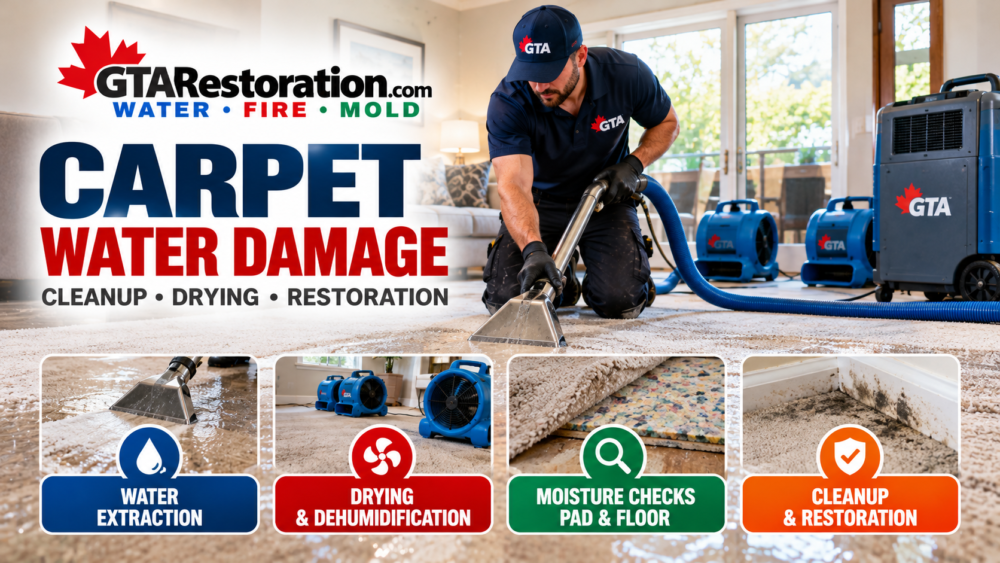
Removing standing water is only the first part of water damage restoration. Porous materials can still hold moisture after the surface looks dry. Depending on the source and extent of damage, cleanup may include removing affected materials, cleaning salvageable surfaces, and controlling dust or contaminants during demolition.

Drying uses controlled airflow and dehumidification to remove moisture from materials and air. The right setup depends on room size, building materials, temperature, humidity, and how long the water remained. More equipment is not always better. Poor placement can leave hidden wet areas untreated or create unnecessary disruption.

Regular readings help show whether materials are drying as expected. If levels remain elevated, the plan may need adjustment. Some materials cannot be safely or reasonably restored, particularly when they have absorbed contaminated water or lost structural integrity.

Plan repairs after the area is stable

Repairs should follow assessment and drying, not race ahead of them. Replacing drywall or flooring over wet framing can trap moisture and create future problems. Once affected materials are dry or removed as needed, repairs may involve wall finishes, insulation, flooring, baseboards, cabinetry, or ceiling sections.

Ask for clear records of the condition found, materials removed, drying checks, and recommended repairs. This helps owners, managers, and insurers understand the sequence of work. It also gives future contractors a better starting point if repairs occur later.

For a suspected hidden leak, recurring moisture, or a damaged roof, address the source as well as the visible damage. Drying a room without correcting the cause invites another loss. When conditions are uncertain, a careful assessment is usually safer than making assumptions based on a dry-looking surface.

The first calm decision after water enters a property can reduce avoidable damage. Focus on safety, document what you see, and bring in qualified support when water, contamination, building systems, or hidden moisture exceed a simple cleanup.

Share this... Spread the word!


Restoration Support

When water affects your property, organized assessment and clear records can help you move from immediate safety steps to a practical recovery plan.

Emergency Water Assessment

We assess visible and hidden moisture, the likely source, affected materials, and urgent safety concerns to help define the next steps.

Water Extraction

Standing water can spread quickly through flooring and wall systems. Extraction helps reduce further migration before controlled drying begins.

Structural Drying

Air movement and dehumidification are planned around materials and conditions. Moisture readings help track progress and guide equipment adjustments.

Leak Detection Support

A hidden leak can keep materials wet after cleanup. Locating the source helps prevent repeated water damage and unnecessary repairs.

Sewer Backup Cleanup

Sewer backups need careful containment and cleaning because wastewater may carry contaminants. Keep occupants away until the area is assessed.

Flooded Basement Cleanup

Basements can hold water beneath flooring and behind finished walls. Assessment helps identify affected areas that are not immediately visible.

Condo Water Damage Help

Condo losses may involve neighboring suites or common systems. Clear access coordination and detailed records support communication with building management.

Damage Documentation

Photos, moisture readings, estimates, and work records can support your file. Your insurer decides coverage and claim requirements.

For urgent water damage triage in Toronto and the GTA, contact GTA Restoration for practical restoration support.

Call Us: 416-800-0000


GTA Service Centre


Frequently Asked Questions

What should I do first when water enters my property?

Protect people from electrical and slip hazards first. If safe, stop the water source, move dry items, and document conditions before major cleanup.

Can I clean up a small water leak myself?

You may handle a small, clean-water spill if materials dry promptly. Seek help for hidden moisture, sewage, electrical risks, or widespread saturation.

How do I know if water is behind walls or under floors?

Visible staining is not the only sign. Moisture testing and careful assessment can identify wet materials beyond the surface area.

Will my insurance policy cover water damage?

Coverage depends on your policy, cause of loss, and insurer assessment. Photos, receipts, readings, and work records may help document the claim.

When should a property manager be notified?

Notify them promptly when water may affect shared systems, neighboring units, common areas, or building access. Early notice can limit spread and confusion.


Learn more ↴


Direct Billing & Insurance Claims

Ask your insurer about coverage, deductibles and the records it needs.


Payment options

In-House Financing Available

Financing up to 24 months. No interest. No money down. Ask us about the terms.


Certifications & Insurance

View our firm certification, technician qualifications and insurance documents.

IICRC Certified Firm

GTA Restoration Inc.

Firm number 199912
Valid through
View IICRC certificate (PDF) — opens in a new tab

Business Insurance

GTA Restoration Group Inc.

$5 million general liability per occurrence
$8 million contractors pollution per claim
–

View insurance certificate (PDF) — opens in a new tab

IICRC Technician Qualifications

Richard Mark Provence · Registration 55726
Certificate expires

Water Damage Restoration · Fire & Smoke Restoration · Applied Microbial Remediation · Odor Control · Trauma & Crime Scene

View technician verification (PDF) — opens in a new tab

Insurance is subject to policy terms, conditions and exclusions.


Emergency? Click to Call!