A burst pipe at 2 a.m., a sewage backup before opening, or smoke after a kitchen fire can make clear thinking difficult. This best emergency restoration checklist helps you protect people first, limit avoidable damage, and prepare for a safe, organized recovery without taking unnecessary risks.
Start With Safety, Not Cleanup
Before you touch wet carpet, soot, or damaged belongings, look for immediate hazards. Leave the area and call emergency services if there is a fire risk, gas smell, structural movement, exposed electrical equipment, or a serious injury. Do not enter standing water where electricity may be present.
Sewage, floodwater, and water from an unknown source may contain harmful bacteria or chemicals. Keep children, pets, tenants, and unprotected staff away. If the loss affects a commercial space, restrict access and notify the person responsible for building safety.
Once the area is safe to approach, stop the source only if you can do so without risk. Shut off a nearby fixture valve for a supply-line leak, or close the main water valve if a pipe has failed. Never climb onto a wet roof or attempt electrical repairs during an emergency.
Best Emergency Restoration Checklist: First Actions
Work through these steps in order. The right response can vary with the source, the size of the loss, and whether the property is a home, condo, rental, or business.
Protect people and isolate hazards. Turn off power only from a dry, safe location. Avoid damaged ceilings, sagging drywall, and water near outlets or appliances.
Stop further water entry when safe. Close valves, place a container under a small active drip, or cover a broken window from indoors if weather permits. Do not use temporary measures that put you at risk.
Notify the right people. Call your property manager or condo corporation where required. Tenants should also notify their landlord promptly. Commercial teams may need to alert security, maintenance, and affected occupants.
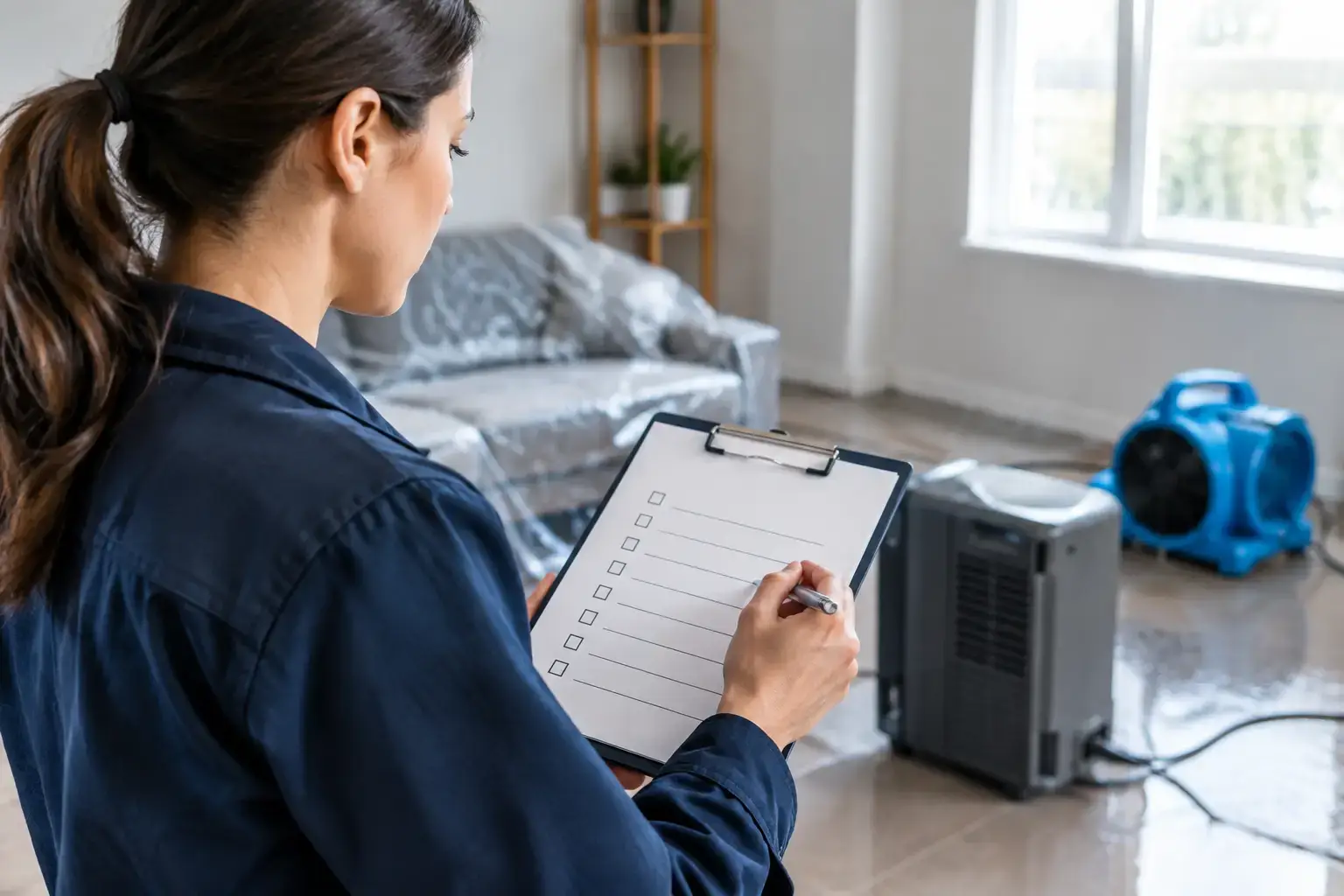
Document conditions before moving items. Take wide photos, close photos, and short videos of visible damage, the apparent source, and affected rooms. Include damaged finishes, contents, and any standing water.
Contact your insurer or broker. Report the incident and ask about next steps. Coverage decisions remain with the insurer, but organized records can support the claim process.
Arrange qualified restoration help. An emergency assessment can identify hidden moisture, contaminated materials, smoke residue, and areas that need controlled drying or cleanup.
Do not throw away damaged items too quickly unless they create a health or safety issue. Photograph them first, then ask your insurer whether it needs further information. Keep receipts for reasonable emergency expenses and store them with your claim number.
What to Record for Your Claim and Recovery File
A simple damage file prevents details from getting lost during a stressful day. Start with the date and time you found the problem, when you shut off the water or left the area, and everyone you contacted.
Photograph each room from several angles before cleanup begins. Capture water lines on walls, damaged flooring edges, swollen cabinets, soot patterns, and affected belongings. For a condo, also record where the issue appears to have started and which suites or common areas may be affected. Avoid guessing at cause in your notes. Describe what you saw instead.
Keep a written log of phone calls, visits, access restrictions, and work performed. Restoration records may include moisture readings, photographs, equipment placement details, cleaning notes, estimates, and invoices. These records describe property conditions and completed work; they do not determine insurance coverage.
Know What Kind of Damage You Have
Clean water from a broken supply pipe often needs fast extraction and drying, especially when it reaches drywall, insulation, hardwood, or cabinetry. A slow leak can be just as serious because moisture may travel behind walls or under floors before it becomes visible.
Sewage backups require a different approach. Wastewater can contaminate porous materials such as carpet, padding, insulation, and some contents. Limit access, avoid using fans that could spread contaminants, and seek professional cleanup guidance before handling affected materials.
After a fire, smoke particles and odor may settle far beyond the room where the event began. Opening windows may help briefly if conditions are safe, but it will not remove residue from surfaces, HVAC pathways, or soft goods. Avoid wiping soot with dry household cloths, which can smear residue into paint and fabrics.
Storm damage can combine roof leaks, wind-driven rain, and broken building materials. If water continues to enter, protect the interior only from a secure position. A restoration assessment can help separate immediate drying needs from later repairs.
What an Emergency Restoration Assessment Covers
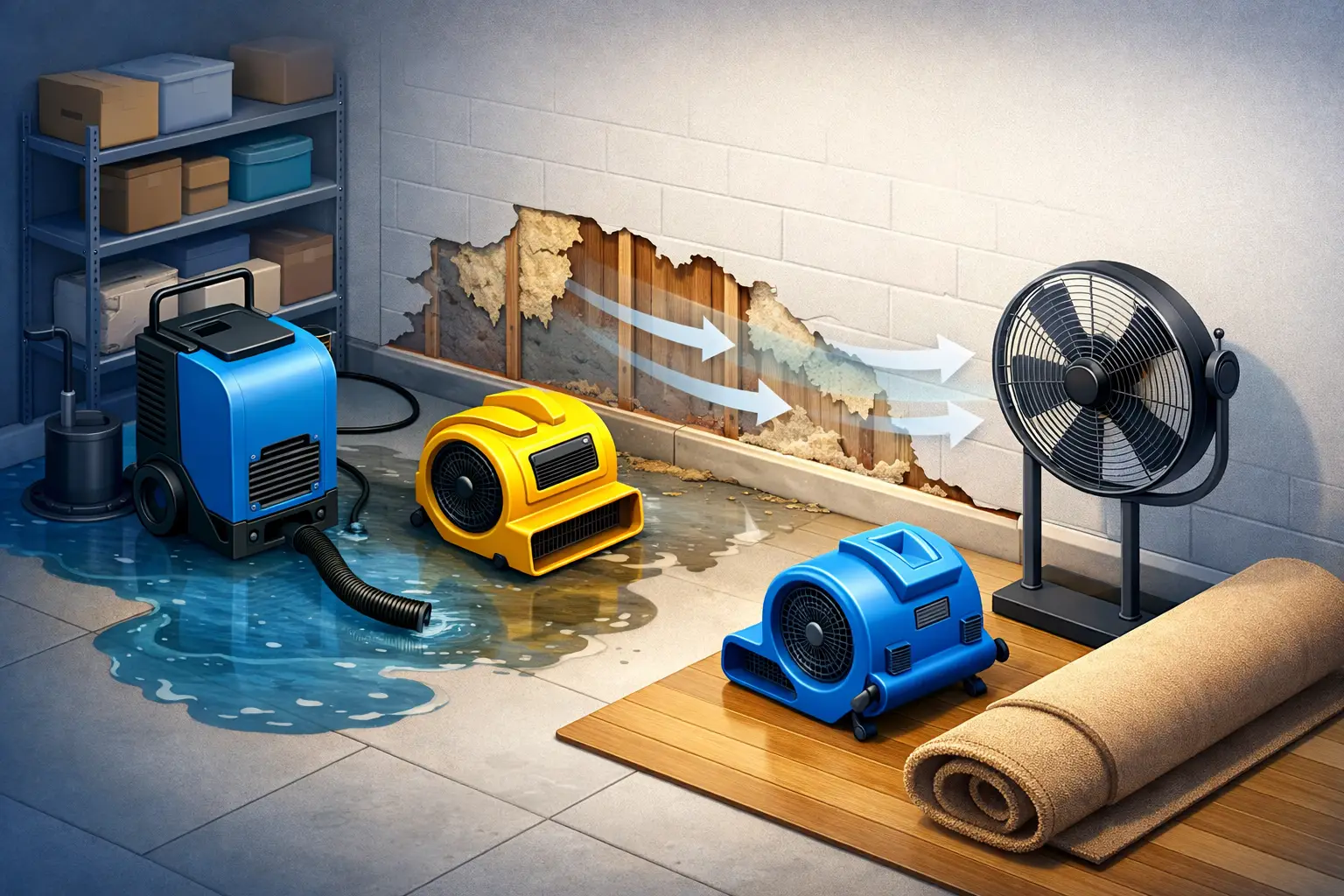
A proper assessment starts with the cause and extent of the damage. The team checks visible conditions, uses moisture-detection tools where appropriate, identifies affected materials, and considers whether water or residue has traveled into concealed spaces.
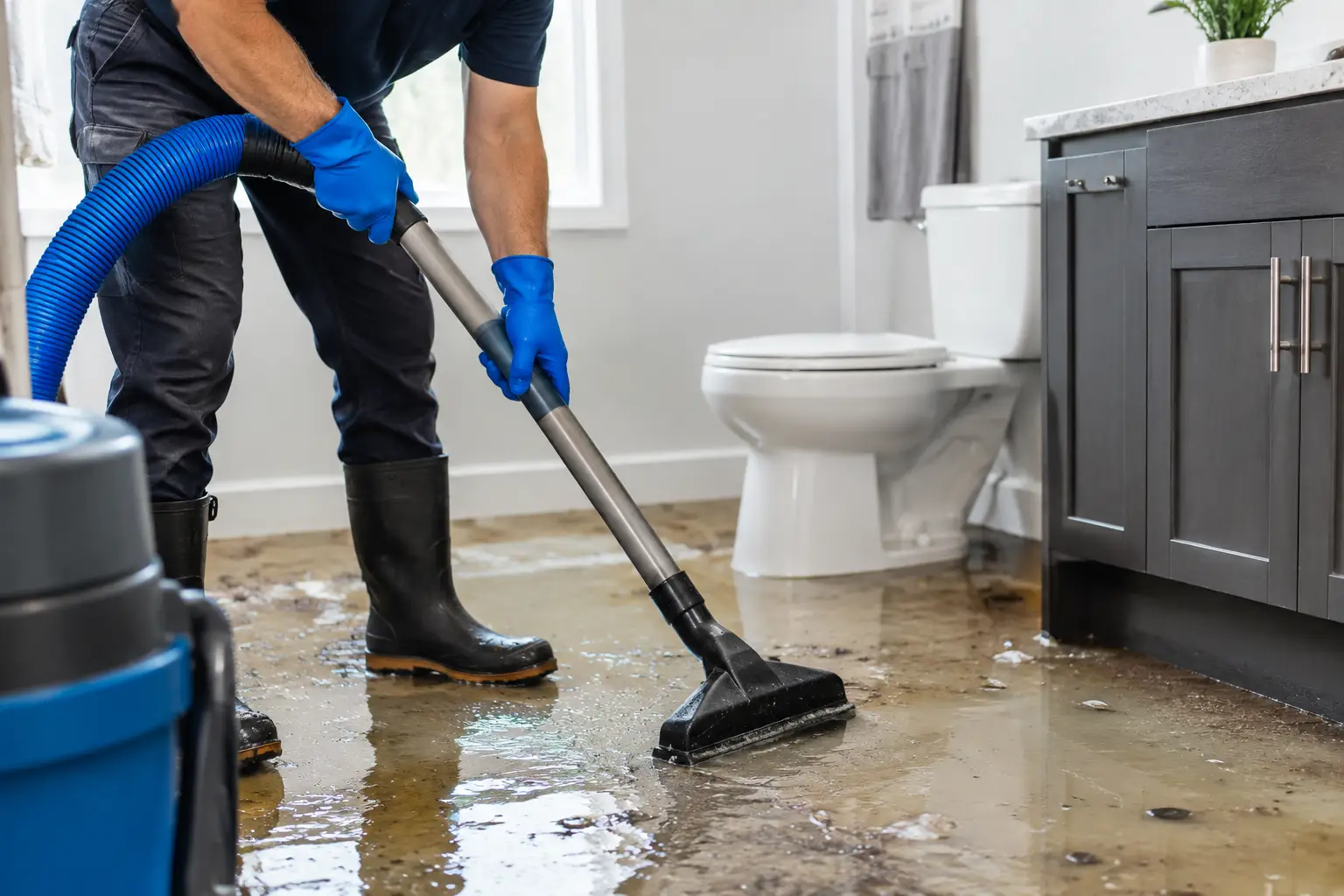
For water damage, the work may include water extraction, controlled drying, dehumidification, and monitoring. Drying equipment should match the affected area and material type. Running household fans without a plan can sometimes spread moisture or contaminants rather than solve the problem.
For fire, smoke, or sewage events, cleanup methods depend on the type and spread of contamination. Some materials may be cleaned, while others may need removal. The assessment should also consider access routes, occupant safety, and whether parts of the property need to remain closed during work.
GTA Restoration can provide emergency assessment, water extraction, sewage backup cleanup, smoke cleanup, drying, and recovery records for Toronto and GTA properties. The scope should follow actual site conditions, not assumptions made from photos alone.
Protect the Property Without Creating New Damage
Move dry, undamaged belongings away from the affected area if it is safe. Put wood furniture on blocks or foil protectors, remove wet rugs from hard flooring when possible, and separate wet textiles from dry contents. Do not drag soaked furniture across finished floors.
Avoid using a standard household vacuum on standing water. Do not enter a flooded basement if you cannot confirm that electricity is safely isolated. Never use a gas-powered generator, fuel-burning heater, or grill indoors because carbon monoxide can build up quickly.
For landlords and property managers, communicate practical instructions early: which entrances are restricted, whether water service is shut off, where occupants can report damage, and when they should not use a room. Clear instructions reduce unnecessary entry and help preserve useful damage records.
After Immediate Cleanup Begins
Emergency work focuses on stabilizing conditions, but repairs may follow later. Drywall, flooring, baseboards, cabinets, insulation, and finishes should be evaluated after moisture levels and contamination concerns are understood. Rebuilding too early can trap moisture and complicate repairs.
Ask for clear work records, including what areas were assessed, what materials were affected, what equipment was used, and what follow-up is recommended. Share these details with your insurer if requested. Your insurer decides policy coverage, depreciation, deductibles, and claim settlement.
The most useful checklist is the one you can follow under pressure: keep people safe, document what happened, control the source when safe, and get the property assessed before hidden damage grows.
When damage interrupts daily life or operations, organized response helps protect the property and gives you clearer information for next steps.
Water Damage Assessment
We inspect visible and hidden moisture, identify affected materials, and document conditions before recommending extraction, drying, or further investigation.
Flooded Basement Cleanup
Standing water can affect flooring, walls, and stored contents. Keep out where electrical hazards exist and arrange a safe assessment.
Sewer Backup Cleanup
Sewage-contaminated areas need controlled cleanup. Limit access, avoid spreading residue, and preserve photos before damaged materials are removed.
Fire and Smoke Cleanup
Smoke residue can travel beyond the fire area. Avoid dry wiping soot, and document affected rooms and belongings before cleanup.
Moisture Drying and Monitoring
Controlled equipment and moisture readings help track drying conditions. The required approach depends on materials, contamination, and the affected area.
Condo Damage Coordination
Notify your condo corporation promptly when common elements or another suite may be involved. Keep records of access, notices, and visible conditions.
Commercial Property Response
Restrict unsafe areas and document business equipment or inventory damage. A site assessment can help prioritize cleanup and operational access.
Damage Records for Insurers
Photos, readings, estimates, and work records can support your claim file. Your insurer determines coverage and payment decisions.
For urgent property damage in Toronto or the GTA, call for practical restoration support and a site-specific assessment.
GTA Restoration serves communities across Canada, including Toronto and the GTA. U.S. locations are opening. Browse our Canadian service areas below, and contact us to confirm services and availability for your address.
What should I do first after finding water damage?
Protect people from electrical and structural hazards, stop the source if safe, photograph conditions, and report the damage to your insurer.
Can I clean up a sewer backup myself?
Avoid handling sewage-contaminated materials without proper protection. Restrict access and seek qualified cleanup help, especially for porous materials and large affected areas.
How do I document emergency property damage?
Take wide and close photos, record dates and contacts, save receipts, and keep notes on access restrictions, cleanup, and visible changes.
Should tenants contact the landlord or insurance company?
Contact the landlord or property manager promptly, then notify your insurer if your personal belongings or tenant responsibilities may be affected.
Will restoration records guarantee insurance coverage?
No. Photos, readings, and work records can support a claim, but the insurer makes coverage and payment decisions under the policy.