
For non-emergencies use our contact form
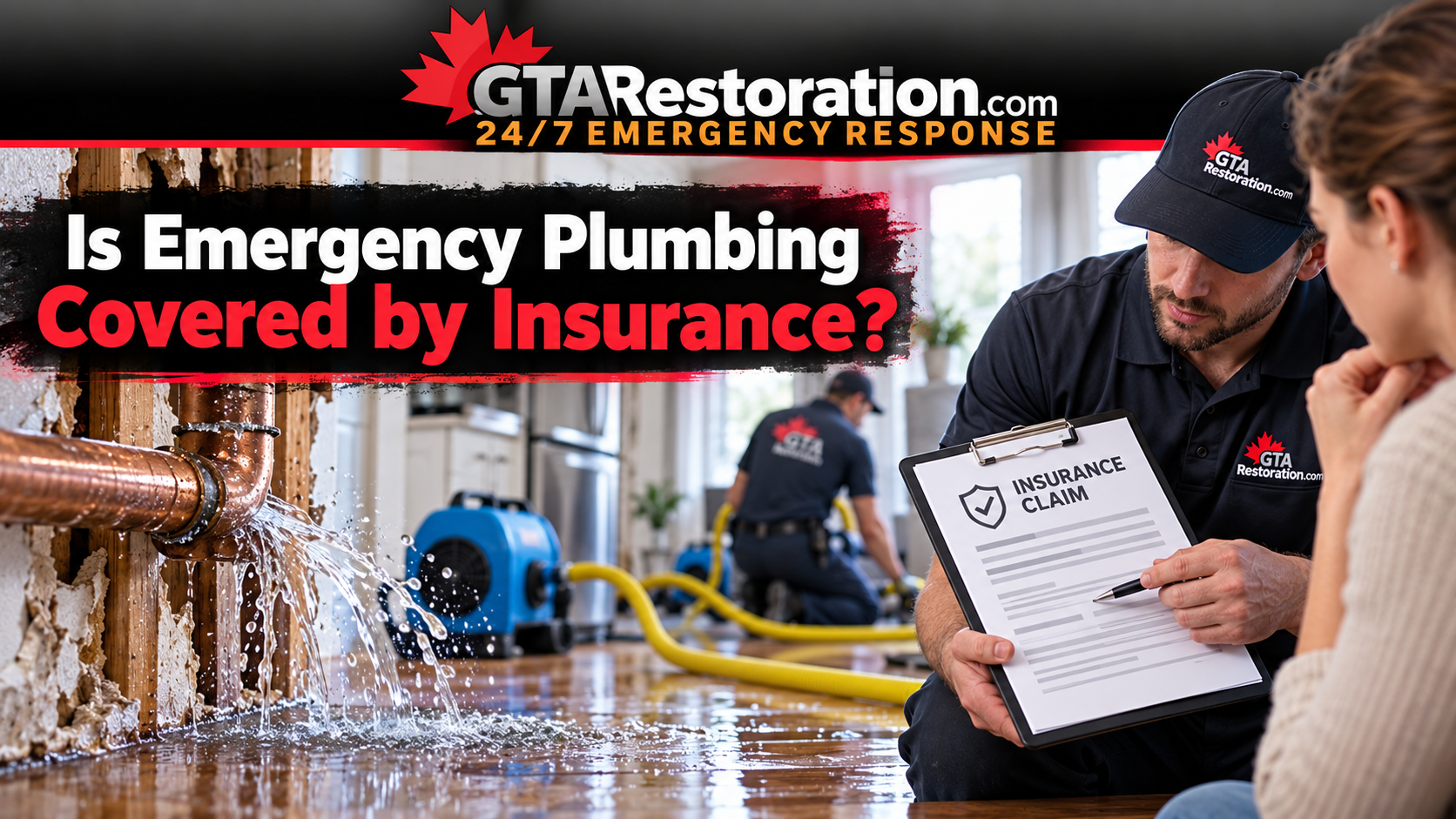
A pipe bursts behind a wall at 2 a.m. Water begins spreading through the ceiling below, and one of the first questions is: is emergency plumbing covered by insurance? In many cases, your insurer may cover sudden water damage from an indoor plumbing failure. However, coverage depends on what happened, why it happened, your policy, deductible, limits, and exclusions.
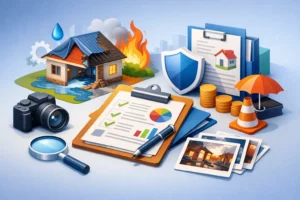
Emergency plumbing can involve more than fixing a pipe. A restoration team may need to extract water, dry wet materials, clean damaged areas, and repair building finishes. Your insurer may handle each part of the loss differently.
Is Emergency Plumbing Covered by Insurance?
So, is emergency plumbing covered by insurance? Canadian home insurance may cover water damage from a sudden and unexpected plumbing problem, such as a broken indoor pipe. However, home insurance does not normally pay for routine maintenance or problems that develop over time.
For example, your insurer may pay for damage to drywall, flooring, ceilings, cabinets, or contents after a sudden plumbing leak. On the other hand, you may need to pay for the worn pipe, old fitting, or failed part that caused the leak.
A slow leak can make a claim more difficult. Long-term water stains, ongoing dripping, poor upkeep, or a known plumbing problem can affect coverage if the owner did not fix the issue.
The Government of Canada notes that home insurance may cover water damage from inside the home, such as a broken pipe. It also explains that homeowners remain responsible for normal maintenance. For general guidance, review the Financial Consumer Agency of Canada insurance information.
What Costs May Insurance Cover?
When your policy covers the cause of loss, your insurer may also pay some emergency costs. Depending on the policy and damage, these costs may include:
- Emergency plumbing needed to stop an active leak
- Water extraction
- Drying equipment
- Moisture checks
- Removal of damaged materials when needed
- Cleaning after water damage
- Repairs to covered walls, ceilings, floors, or finishes
- Some damaged personal belongings
However, every policy sets its own limits and conditions. Therefore, confirm the details with your insurer or broker.
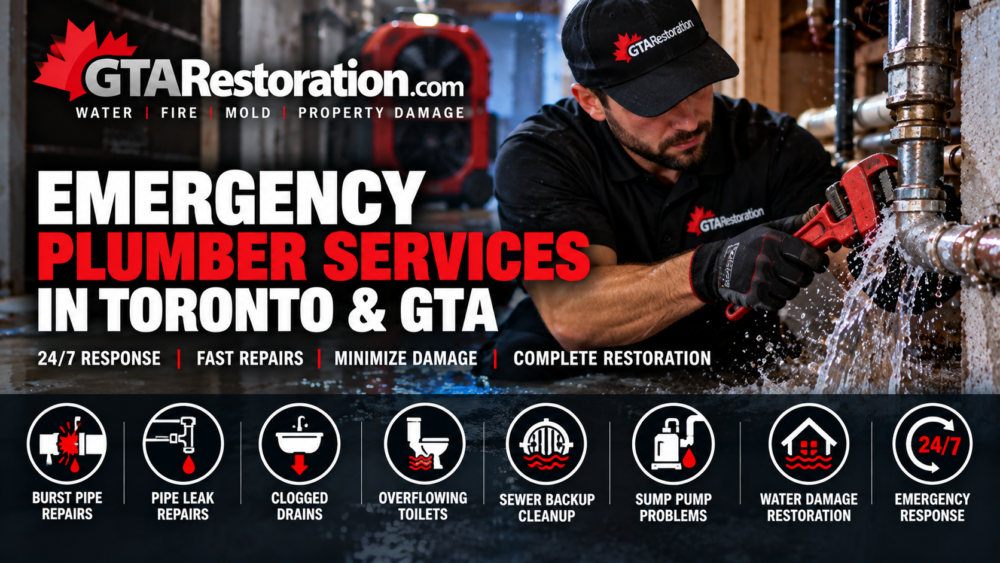
GTA Restoration provides 24/7 emergency plumbing, water removal, drying, and property restoration throughout Toronto and the GTA.
What Costs Might Insurance Exclude?
Home insurance does not replace regular plumbing maintenance. For this reason, your insurer may exclude damage linked to poor upkeep, long-term leakage, worn parts, or problems that the property owner knew about but did not repair.
For example, an insurer may question a claim involving a water heater that leaked for months or an old plumbing connection with a known problem.
Frozen-pipe claims can also depend on the facts. Some policies include conditions for vacant or unattended properties during cold weather. As a result, review your policy before leaving a property empty for an extended period.
Sewer Backup and Flood Coverage Are Different
A sewer backup differs from a broken clean-water pipe. Water from a backed-up sewer or drain can contain waste and often requires added safety steps during cleanup.
Insurance Bureau of Canada explains that homeowners often need optional sewer backup coverage to protect against this type of loss. Therefore, check your policy before assuming that standard coverage includes it.
Overland flooding also follows different rules. Water that enters from heavy rain, overflowing rivers, surface runoff, or rising groundwater may require optional flood coverage.
For this reason, do not assume that your insurer handles every type of water damage the same way. The source of the water can change how the policy responds.
Learn more from the Insurance Bureau of Canada water and flood guidance.
What About Condo Water Damage?
Condo water losses can involve several parties and policies. A leak may start inside a unit, from a pipe between floors, or from a common building system.
As a result, the unit owner’s policy, the condo corporation’s policy, building rules, deductibles, and source of the leak may all affect the claim. Notify the property manager and your insurer quickly when water may affect other units or common areas.
What to Do During an Emergency Plumbing Loss
Put Safety First
If water reaches electrical panels, outlets, lights, or appliances, stay out of standing water. Keep people away from unsafe areas and contact qualified emergency professionals.
If you can safely reach the main water shutoff, turn off the supply. For a smaller fixture leak, use the local shutoff valve when you can reach it safely.
Start Water Removal and Drying
Once you control the water source, begin cleanup and drying as soon as conditions allow. Water can spread through drywall, flooring, insulation, cabinets, and hidden spaces.
Professional water damage restoration may include extraction, moisture checks, air movers, dehumidifiers, cleaning, and drying checks.
Do not leave standing water in place while waiting for an adjuster. Take reasonable steps to protect the property and reduce further damage.
Take Photos and Keep Records
Before major cleanup begins, take photos and videos when conditions allow. Record the source area, affected rooms, damaged floors, walls, ceilings, and belongings.
Also, keep:
- Plumbing invoices
- Restoration invoices
- Photos and videos
- Moisture readings
- Drying records
- Repair estimates
- Receipts related to the loss
If possible, keep the failed plumbing part until your insurer tells you whether it needs to inspect it. A broken hose, pipe section, or fitting may help show what caused the loss.
Contact Your Insurance Company
Report the loss as soon as practical. Tell your insurer when you found the problem, what you saw, what steps you took, and which emergency services attended the property.
Avoid guessing about the cause if you do not know it yet. Instead, provide facts and share any reports from your plumber or restoration team.
For more information about restoration claim support, visit our insurance claims page.
Emergency Plumbing Insurance Claims and Documentation
Good records can make an insurance claim easier to review. A restoration company can document the loss with photos, moisture readings, drying records, equipment logs, estimates, and invoices.
For commercial or multi-unit properties, record affected units, access times, tenant contact, emergency calls, and work completed. Water can travel between floors, ceilings, walls, and shared building areas.
With your approval, GTA Restoration can provide restoration records and project information to your adjuster. However, your insurance company decides coverage based on your policy and the facts of the claim.
Check Your Coverage Before a Plumbing Emergency
Do not wait for a burst pipe to review your insurance. Ask your broker or insurer about water damage, sewer backup protection, overland flood coverage, deductibles, limits, and rules for vacant properties.
Commercial owners should also review coverage for contents, equipment, tenant areas, and business interruption. Likewise, landlords should make sure the policy matches the way they use the property.
In short, the answer to is emergency plumbing covered by insurance depends on the cause and your policy. Your insurer may cover sudden indoor water damage, while it may handle long-term leaks, maintenance problems, sewer backup, and outside flooding differently.
Emergency Plumbing or Water Damage?
GTA Restoration provides 24/7 emergency plumbing, water extraction, drying, cleanup, and insurance claim documentation throughout Toronto and the GTA.
Active leak or burst pipe? Stop the water when safe and get emergency help before the damage spreads.
Learn More
Does your Insurance cover Water Damage? | Does Insurance Cover Sewer Backup? | Insurance Claims | Guide to Insurance Restoration Claims| What Does Water Damage Insurance Cover at Home?


 Facebook
  Instagram
  LinkedIn
  X / Twitter
  YouTube