...

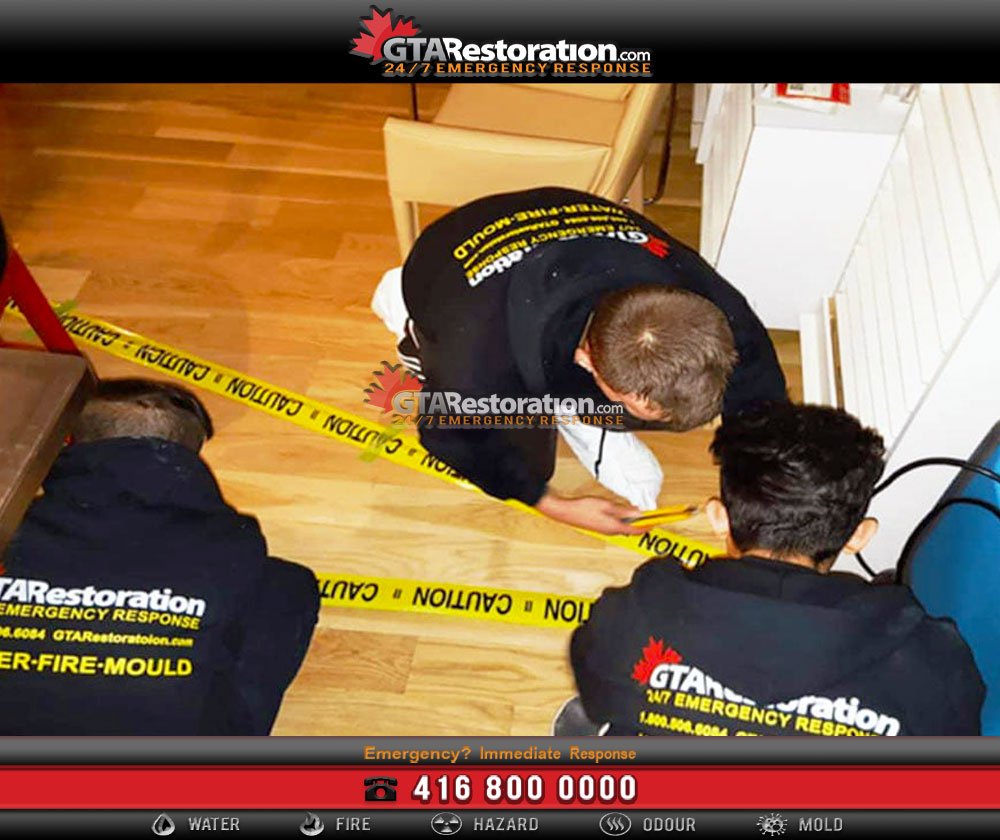
GTA Restoration crew checking wood flooring for water damage


Winter Precautions for Water Damage and Mold Growth

Water damage and mold growth can start with a small winter leak. A burst pipe, roof leak or damp wall can leave wood and drywall wet. Then, mold may grow if the moisture stays.

Cold weather does not keep indoor rooms free of mold. Instead, focus on dry materials, sound plumbing and good airflow. These checks can help Toronto homeowners find winter moisture problems before they spread.

Call Us: 416-800-0000

Winter Moisture Control Starts With Pipes

First, check pipes near outside walls, in garages and in cold crawl spaces. Fit suitable pipe insulation and seal gaps that let cold air reach plumbing. Also, keep indoor heat on during cold spells, even when you are away.

Disconnect garden hoses and drain outdoor lines as the system allows. Next, find your main water shutoff and keep the path clear. If a pipe bursts, close it only when you can reach it safely.

Never use a flame to thaw a pipe. For more guidance, read the City of Toronto’s frozen pipe advice.

Winter Mold Prevention Indoors

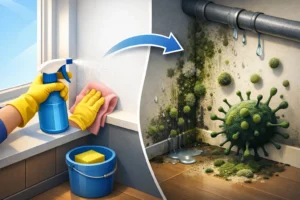
Warm, moist air can leave water on cold windows and walls. Therefore, watch for drops, damp trim and wet sills. Wiping them dry helps, but repeated wetness calls for a check of the cause.

Use a humidity meter to track indoor levels. The EPA’s moisture guide suggests 30% to 50% relative humidity. If cold surfaces stay wet, lower the level. Also, run kitchen and bathroom exhaust fans to move damp air outdoors.

A dehumidifier may help a damp room. However, it cannot fix a leak. Repair the water source as part of your winter moisture control plan.

Signs of Water Damage and Mold Growth

Some leaks hide behind walls or beneath floors. For example, look for:

  • New ceiling stains or peeling paint.
  • Soft drywall, swollen trim or lifting floor edges.
  • Damp cupboards or wet basement walls.
  • Musty smells or spots that keep returning.

These clues need a closer look, but a stain or smell alone does not prove mold. Instead, check the source and extent of the dampness.

Check Roofs, Gutters and Basements

After rain or a thaw, look for fresh leaks and damp patches. Check ceilings below the roof and basement areas near windows. Also, look from the ground for blocked drainage or damaged gutters.

Arrange repairs when you find a problem. Stay off icy roofs and ladders; leave roof checks and ice removal to a trained crew.

Dry Wet Rooms After a Leak

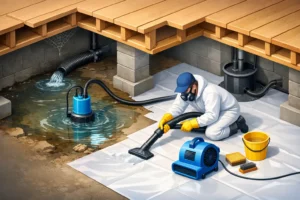
First, stay out of standing water near wiring or electrical equipment. Arrange help to stop the leak and check the hazards. Once the area is safe, water removal and drying can begin.

A dry surface can hide wet layers underneath. Therefore, our extraction and drying team checks moisture in affected materials. Crews use those readings to guide the work and assess progress.

When Mold After Water Damage Needs Help

Large patches, hidden growth or mold that returns may need professional cleanup. Do not tear out suspect walls just to look behind them. Instead, ask our remediation team about an inspection and work plan.

Cleanup should address the growth and moisture source. Some wet or moldy materials may need removal. Afterward, check drying results before new finishes go in.

Mold and Your Health

Mold can irritate the eyes, nose and throat. It may also worsen asthma or trigger allergies. However, symptoms alone do not identify a mold problem. Speak with a healthcare professional about ongoing health concerns. See Toronto Public Health’s mould guidance for more information.


Need Help With Winter Water Damage?

GTA Restoration provides moisture checks, drying and mold cleanup in Toronto and the GTA.

Call Us: 416-800-0000

Learn More

Protect Pipes Before Winter | Warning Signs at Home | Keep Your Home Dry
Share this... Spread the word!


Winter Moisture Control: 8 Useful Checks

Small checks can help limit water damage and mold growth. Use this list to plan winter upkeep.

1. Label the Water Valve

First, show household members the main water shutoff. Also, keep the route clear so they can reach it safely.

2. Plan for Cold Spells

Before a trip, arrange regular home checks. Also, leave contact details for someone who can help with leaks.

3. Check Outdoor Taps

Next, remove hoses and check outdoor plumbing. Then, ask a plumber how to drain lines that serve these taps.

4. Track Winter Moisture

Use a meter to check indoor humidity. Then, adjust moisture control if windows or walls keep getting wet.

5. Inspect Stored Items

Also, keep boxes off damp floors. In addition, leave space to check nearby walls for stains and wet patches.

6. Record New Leaks

Take photos from a safe, dry place. In addition, note whether the leak follows rain, thawing snow or plumbing use.

7. Review Mold Cleanup

Before repairs, ask about drying results and source repairs. Afterward, plan the next stage of work.

8. Check for Returning Mold

Finally, report new spots or musty smells. Recurring growth may mean a moisture problem still needs attention.


Winter leak or mold concern?
GTA Restoration can assess the area and explain your next steps.

Call Us: 416-800-0000


GTA Service Centre


Water Damage and Mold Growth FAQs

Can mold grow indoors in winter?

Yes. Damp indoor materials can support mold even when it is cold outside.

Which winter leaks should I watch for?

Check pipes, ceilings and basement walls. Also, watch for new stains after a thaw.

How can I reduce window condensation?

Use exhaust fans and humidity control. However, recurring wetness may also need checks for cold surfaces or poor airflow.

What should I do if a pipe bursts?

First, close the water valve if safe. Stay away from wet wiring and arrange plumbing help.

Does a dehumidifier remove mold?

No. It helps lower air moisture. However, existing growth and leaks still need attention.


Learn more ↴


Direct Billing & Insurance Claims

Ask your insurer about coverage, deductibles and the records it needs.


Payment options

In-House Financing Available

Financing up to 24 months. No interest. No money down. Ask us about the terms.


Certifications & Insurance

View our firm certification, technician qualifications and insurance documents.

IICRC Certified Firm

GTA Restoration Inc.

Firm number 199912
Valid through

View IICRC certificate (PDF) — opens in a new tab

Business Insurance

GTA Restoration Group Inc.

$5 million general liability per occurrence
$8 million contractors pollution per claim
–

View insurance certificate (PDF) — opens in a new tab

IICRC Technician Qualifications

Tony Sokol T. Lleshi · Registration 214520
Valid through

Water Damage Restoration · Fire & Smoke Damage Restoration · Applied Microbial Remediation · Odor Control · Trauma & Crime Scene

View technician verification (PDF) — opens in a new tab

Insurance is subject to policy terms, conditions and exclusions.


Emergency? Click to Call!